
First Epistle to the Corinthians
A concise, structured overview of 1 Corinthians: authorship, context, contents, major themes (unity, ethics, worship, resurrection), historical dating, and its significance in Christian theology and practice.
Overview
The First Epistle to the Corinthians is a letter in the New Testament traditionally attributed to the Apostle Paul. It was written in the mid‑first century and addressed to the Christian community in the city of Corinth, a busy Mediterranean port known for its cultural diversity and social tensions. Paul wrote to give pastoral guidance, correct misconduct, and strengthen the church's understanding of Christian doctrine and practice, insisting that Christ is the church's ultimate authority (Christ Jesus).
Image gallery
10 Images


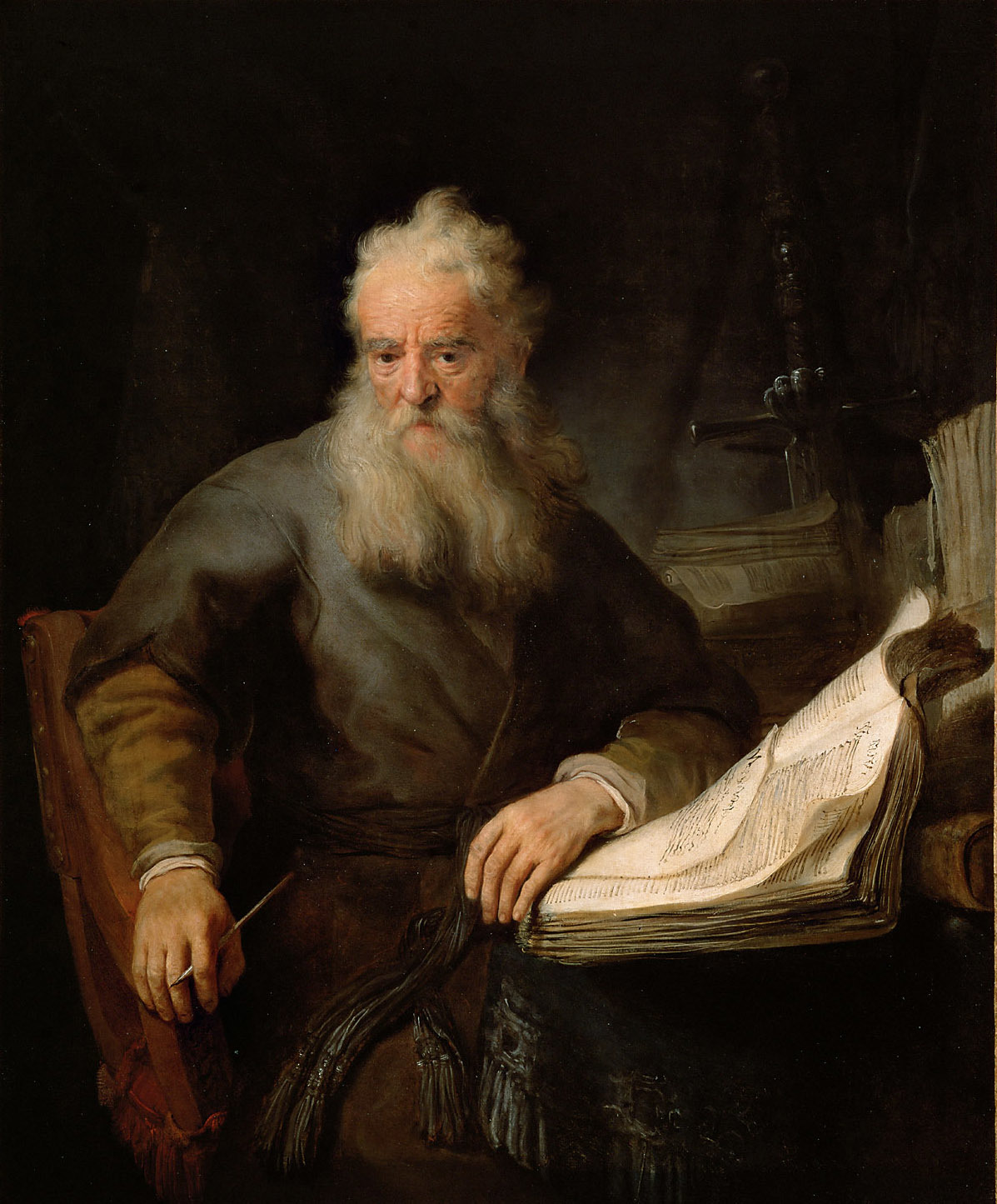


Historical context and authorship
Most scholars and early Christian writers identify Paul as the author and date the letter to the 50s AD, commonly placing its composition during Paul's missionary activity from a wintering location such as Ephesus. Corinth was a prosperous, cosmopolitan city where pagan religion, commercial interests, and rival social groups created challenges for a new Christian congregation. The letter responds to reports Paul received and to questions the Corinthians had submitted through messengers.
Contents and structure
1 Corinthians addresses a wide range of issues. The letter can be read as a series of problems presented and responses offered, including:
- Divisions and leadership disputes within the community, where Paul de‑emphasizes personal followings and stresses that ministers are servants within God's work.
- Sexual morality and discipline, including a call to exclude unrepentant offenders to preserve communal holiness.
- Practical guidance on marriage, singleness, and family life.
- Instructions about food offered to idols and how Christians should behave in a pluralistic religious environment, cautioning against participating in pagan feasts while prioritizing conscience and neighbourly care (idolatry).
- Orderly worship and the exercise of spiritual gifts — prophecy, speaking in tongues, and public order — culminating in the famous exposition on love.
- A theological defense of the Christian belief in the resurrection, including an account of eyewitness testimonies and an argument for the future life of believers.
Major themes
Several central themes recur throughout the epistle. Paul emphasizes unity: the church is one body though composed of many members. Ethical holiness and mutual accountability are urged so that the church's witness is not compromised. Worship should be orderly and edifying; spiritual gifts are to serve the common good rather than personal prestige. Love is presented as the highest ethic that gives meaning to all gifts and actions. Finally, the doctrine of the resurrection is treated as foundational: Christ's rising ensures hope for moral transformation and future life.
Reception, interpretation, and significance
1 Corinthians has been influential in shaping Christian teaching on church order, liturgy, ethics, and eschatology. Passages such as the "love chapter" (often associated with chapter 13) and the extended argument about resurrection (chapter 15) are frequently cited in devotional, theological, and liturgical contexts. Some passages remain subjects of scholarly debate and varied interpretation, including discussions about gender roles, charismatic practices, and Paul’s instructions on head coverings and public worship.
Practical impact and legacy
Beyond its ancient context, the letter continues to inform contemporary Christian thought and practice. It models pastoral intervention in a flawed community, balancing doctrinal teaching with concrete moral instruction. The epistle also invites ongoing reflection on how churches live together amid cultural diversity, how they address internal conflict, and how the hope of resurrection shapes ethical commitments today. For further study, readers may consult modern commentaries and resources linked to scholarly treatments of the letter and its historical setting.
Questions and answers
Q: What is the First Epistle to the Corinthians?
A: The First Epistle to the Corinthians, or the First Letter to the Corinthians, is a long letter written by the Apostle Paul to the church in Corinth.
Q: Why did Paul write to the Corinthian church?
A: Paul wrote to the Corinthian church for a number of reasons, including the fact that the church was divided and he wanted to emphasize that it was really headed by Christ Jesus Himself.
Q: What does Paul say about his role in starting the church at Corinth?
A: Paul says that he and a few disciples planted the seed, Apollos watered it, but ultimately God was making the church grow.
Q: What criticisms does Paul have of the church in Corinth?
A: Paul scolds the church members for sexual immorality and asks for these immoral people to be thrown out of the church.
Q: What instructions does Paul give in his letter to the Corinthians?
A: Paul gives instructions for marriage, against worshipping worthless idols (idolatry), and for spiritual gifts like prophecy. He also praises the superior way of love and urges the church to be united.
Q: What does Paul say about the resurrection of Christ in his letter?
A: At the end of the letter, Paul states that the resurrection of Christ is true and he supports it with testimonies from "more than five hundred of the brothers and sisters." This truth is what makes certain that believers will have eternal life.
Q: Who does Paul mention in his letter as coming to visit the Corinthian church very soon?
A: Paul tells the Corinthians that Timothy, his co-worker, is coming to their church very soon.
Related articles
Author
AlegsaOnline.com First Epistle to the Corinthians Leandro Alegsa
URL: https://en.alegsaonline.com/art/34533