
Wahhabism (Wahhabi movement)
A conservative Sunni Islamic reform movement from 18th‑century Arabia associated with Muhammad ibn Abd al‑Wahhab, emphasizing strict monotheism, scriptural adherence, and the practices of early Muslims.
Overview
Wahhabism, often called the Wahhabi movement, is a Sunni Islamic reform trend that arose in the Arabian Peninsula in the 18th century. Its proponents advocate a return to what they view as the pure beliefs and practices of the earliest generations of Muslims. The movement is commonly associated with the Arabic term Al‑Wahhābīyya and is usually discussed within the wider context of Sunni Islam.
Image gallery
10 Images


History and development
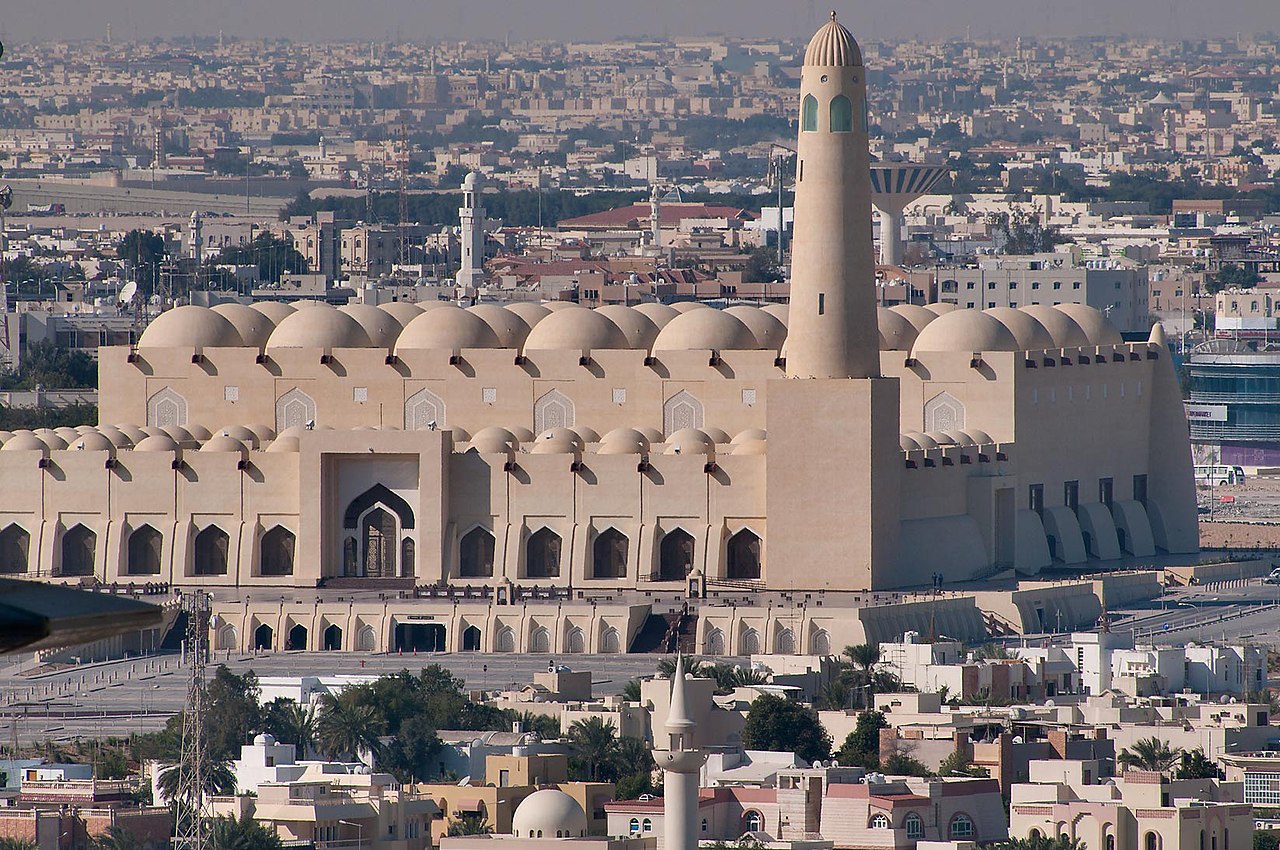
The origin of the movement is traced to the teachings of Muhammad ibn Abd al‑Wahhab, an 18th‑century scholar who worked in what is now central Arabia. He formed an alliance with local political leaders, which helped the movement spread across the Arabian Peninsula. Over the following centuries its influence grew, particularly through institutions and patrons based in the region now known as Saudi Arabia, and it has had varying degrees of visibility in other countries, including points of contact with communities in Qatar.
Beliefs and practices
Central to Wahhabi thought is an emphasis on strict monotheism (tawhid) and opposition to practices considered innovations (bidʻah) or forms of intercession. Adherents favor a literal or conservative reading of scripture, prioritize the Quran and hadith, and seek to align religious life with what they regard as the precedent set by early Muslim generations. In practice this can affect ritual observance, legal opinions, and social norms.
Characteristics and distinctions
- Scriptural emphasis: High regard for Quranic text and early hadith collections.
- Reformist impulse: Calls to remove later accretions viewed as un-Islamic.
- Legal and social impact: Influence on local religious institutions, education, and public policy where it is prominent.
Influence, uses and controversies
The movement has played a significant role in shaping religious life and state–religion relations in parts of the Arabian Peninsula. It has also been the subject of debate and criticism: supporters view it as a corrective revival, while critics argue it can be rigid or intolerant toward alternative practices. Scholarly discussion distinguishes between its theological positions, its political alliances, and the diverse ways adherents implement its teachings across different communities.
Related articles
Author
AlegsaOnline.com Wahhabism (Wahhabi movement) Leandro Alegsa
URL: https://en.alegsaonline.com/art/106132
Sources
- thenational.ae : "There is no such thing as Wahabism, Saudi prince says"