
Voodoo (Vodun/Vodou): Beliefs, Practices, and Cultural History
Voodoo (vodun/vodou) is an umbrella term for West African-derived animist and spirit-centered traditions, their diaspora forms (notably Haitian Vodou and Louisiana Voodoo), rituals, and cultural roles.
Overview
Voodoo is a broad name used in English to describe a family of related spiritual and cultural systems that originated in West Africa and developed in the Americas after the Atlantic slave trade. The term encompasses several spellings and local names — including vodun, vodou, and voudou — and it refers both to belief about spirits and to everyday practices that preserve community memory, moral norms, and social support. Some observers treat particular forms as organized religions; others stress their nature as lived, oral traditions and local folkways.
Image gallery
1 Image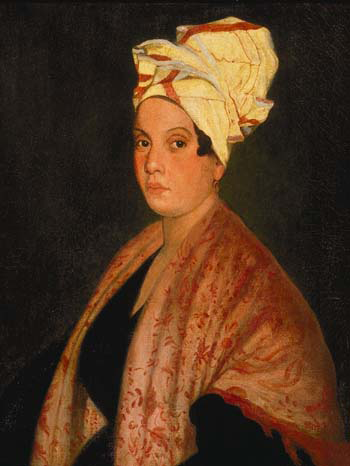
Core beliefs and spiritual beings
At the heart of these traditions is a form of animism: the view that natural forces, objects, and living beings have spiritual dimensions. Ancestors and other nonhuman spirits are active agents in the world and may be petitioned for guidance, protection, or healing. In many diaspora forms, practitioners speak of a high creator often called by a term similar to Bondye, along with a pantheon of intermediary spirits commonly known as lwa or loa in Haitian contexts.
- Ancestor veneration: family spirits are consulted and honored;
- Intermediary spirits: nature spirits, saints-like figures, or specialized lwa serve particular needs;
- Possession and trance: ritual possession is a recognized way that spirits communicate and act through people.
Rituals, specialists, and community roles
Ritual life frequently includes drumming, singing, dancing, offerings, and the construction of altars. These elements create the conditions for trance and spirit embodiment. Ritual specialists — such as priests and priestesses, often called houngan and mambo in Haitian Vodou — act as mediators, healers, and organizers of communal ceremonies. The practices also fulfill social functions: settling disputes, marking life-cycle events, and providing mutual aid.
Origins and historical development
The foundations of voodoo are rooted in the religious systems of West African peoples, notably the Fon, Ewe, and Yoruba, where words like vodún denote spirit. During enslavement and migration, these beliefs blended with other African traditions and with European and Indigenous elements. In places like Haiti, a distinct system known as Haitian Vodou emerged; in Louisiana, local Creole forms often called Louisiana Voodoo developed. Over time, syncretism with Catholic saints, adoption of local languages, and regional innovations produced a diversity of expressions across the Americas.
Variations, syncretism, and identity
There is no single "voodoo" orthodoxy. Regional variations reflect differences in origin communities, colonial histories, and ongoing cultural exchange. Syncretism — for example, aligning spirits with Catholic saints — illustrates how practitioners adapted to new social environments. Some communities emphasize written liturgy and formal temples; others rely entirely on oral transmission and household altars. The distinction between an institutional religion and an oral, practice-based tradition is often a matter of perspective.
Uses, social importance, and misconceptions
Practices commonly serve therapeutic, legal, and communal functions: healing the sick, blessing crops, mediating disputes, and reinforcing kinship bonds. Despite their social roles, voodoo traditions have been widely misunderstood and sensationalized in popular culture. Stereotypes — such as depictions of malevolent magic or caricatured rituals — often obscure the traditions' moral, artistic, and communal dimensions. Responsible study and reporting note both the spiritual meanings insiders give to practices and the broader cultural contributions of music, art, and ceremony.
Further reading and resources
To explore cultural context and comparative perspectives, look for reputable studies of West African religions and regional diaspora forms. General introductions and ethnographies discuss history, ritual technique, and community life in ways that distinguish beliefs from fictional representations. For background on the African roots, see West African traditions and for the oral transmission of knowledge, see oral tradition. On organizational and leadership differences, consult materials about social hierarchy and clergy at religious structures. For the animist worldview, see animism, and for practices linked to spirit-mediumship, see spiritism. The contributions of specific West African groups are discussed under Fon, Ewe, and Yoruba. For studies of deities and spiritual agents see pantheons and deities and for material on spirits and ancestor veneration see spirit traditions.
Questions and answers
Q: What is voodoo?
A: Voodoo is a West African animist, spiritual folkway that some classify as a religion. It is more of a way of life and involves supernatural ancestral connections, rituals, and spiritual practices passed down by word of mouth.
Q: What are the roots of voodoo in the Americas?
A: The roots of voodoo in the Americas come from the Fon, Ewe, and Yoruba people of Africa. The word "vodún" is the Fon-Ewe word for spirit.
Q: How does voodoo differ from religion?
A: Voodoo differs from religion in that it does not have formal organization or hierarchy of ordained leaders like many religions do. It also does not have texts or buildings constructed for worship like many religions do. Instead, it relies on oral tradition and spiritual practices to pass down its beliefs from one generation to another.
Q: What types of spirits are important in voodoo?
A: Both spirits of nature and dead people are important in voodoo. Spirits of family members who have died are especially significant since they can be called upon for protection or other influences over the material world.
Q: Does music play an important role in voodoo?
A: Yes, music plays an important role in voodoo with rituals often involving music and dancing accompanied by drums playing most of this music.
Q: Is having a spirit enter your body wanted in voodoo? A: Yes, having a spirit enter your body is seen as desirable as it can speak for gods or dead people you love while also helping to heal or perform magic.
Related articles
Author
AlegsaOnline.com Voodoo (Vodun/Vodou): Beliefs, Practices, and Cultural History Leandro Alegsa
URL: https://en.alegsaonline.com/art/105917
Sources
- voodoomuseum.com : Zombies
- voodoomuseum.com : Voodoo & Jazz