
Vermouth: aromatic fortified wine used as an aperitif and cocktail ingredient
Vermouth is an aromatized, fortified wine flavored with botanicals — notably wormwood — used as an aperitif, cocktail ingredient and culinary flavoring across Europe and beyond.
Vermouth is a fortified wine that has been aromatized by the addition of a range of botanicals and, in many styles, a measure of sweetness. Although sometimes described loosely as a "wine-like spirit," vermouth begins with a base wine which is then blended with a neutral spirit and infused with herbs and spices rather than being distilled to a high-proof spirit. Typical bottles register in the mid-teens of alcohol by volume, commonly around 15–18%, depending on style and producer.
Image gallery
4 Images
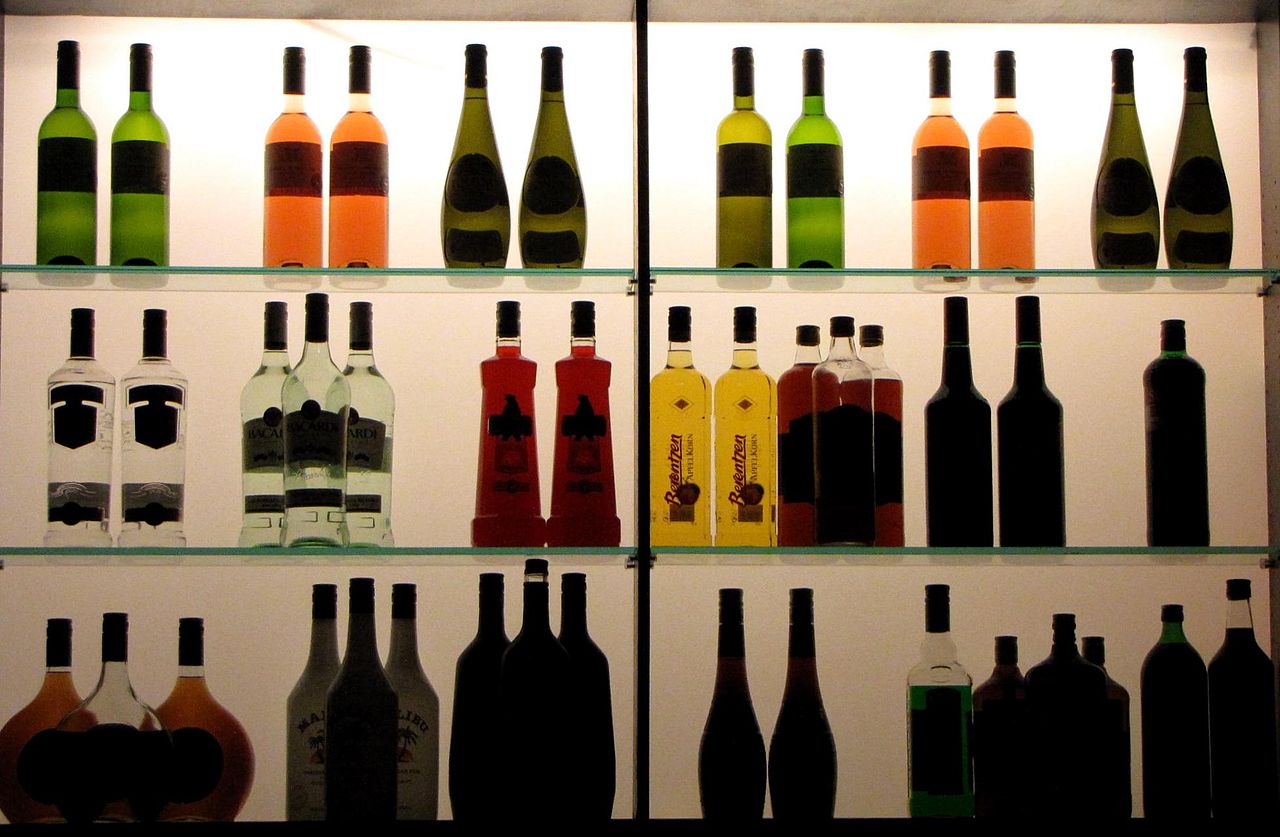
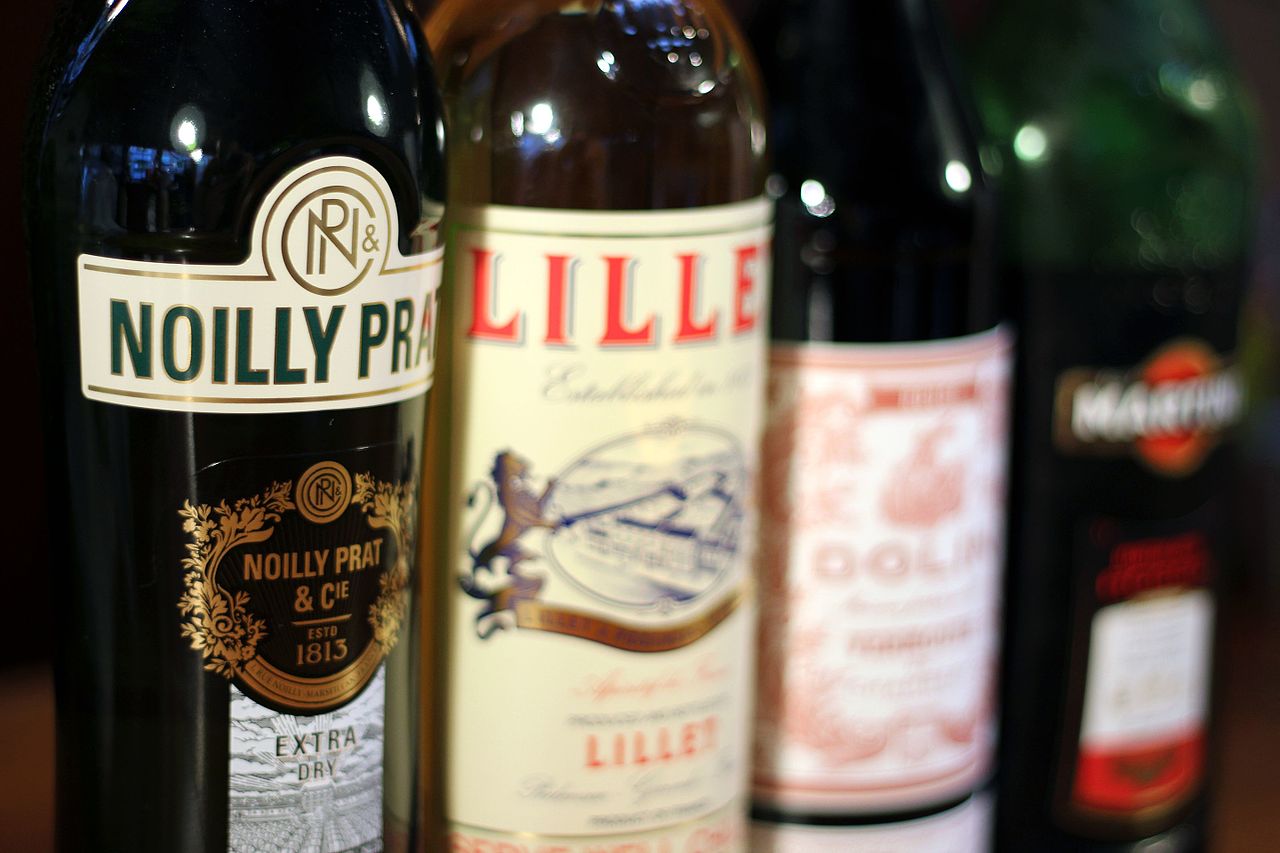
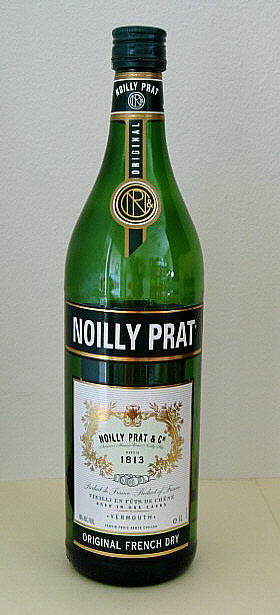
Characteristics and production
The defining feature of vermouth is its botanical profile. Producers macerate or steep leaves, roots, barks and peels in the fortified wine and may add sugar or caramel for colour and balance. Many recipes use bittering agents to create the classic tang: the name "vermouth" ultimately refers to the plant Artemisia absinthium (wormwood), whose bitter notes historically distinguished the drink. Other common aromatics include citrus peel, cinnamon, gentian, cardamom, chamomile and juniper; for a sampling, see the list below.
- Common botanicals: citrus peel, wormwood, gentian, coriander, clove, cinnamon, chamomile.
- Production steps: base wine selection, fortification with neutral spirit, botanical maceration or infusion, sweetening (if applicable), filtration and bottling.
- Style markers: sweet (rosso/rosso), dry (extra-dry), bianco/blanc and modern rosé varieties.
History and regional styles
Vermouth in forms familiar today developed in Europe during the 18th and early 19th centuries. The commercialization of sweet, aromatized wines is often associated with northern Italy — especially Turin — and a number of 18th‑century and early 19th‑century producers who refined recipes and marketed bottled products. Turin remains a historic centre, and other regions such as parts of Italy and France produced their own styles. Spain has a strong local vermouth tradition, where "vermut" is commonly enjoyed as an aperitif, often on tap in bars.
Uses and notable cocktails
Vermouth is a foundational ingredient in many classic cocktails and is also served on its own as an aperitif. It pairs with spirits or is mixed to create long and short drinks: iconic examples include the Martini, Negroni, Manhattan and Americano. Bartenders choose different styles (dry, sweet, blanc) to shape flavour and balance. Beyond cocktails, vermouth can be used in cooking where a fortified aromatic wine is desired — sometimes replacing dry white wine in pan sauces or stews to add herbaceous and slightly bitter notes.
Distinctions and interesting facts
Technically vermouth is an aromatized, fortified wine rather than a distilled spirit: the finishing alcohol comes from blending with a neutral spirit rather than by distillation of the final product. It is different from absinthe, which is a high‑proof distilled spirit that also uses wormwood but involves distillation and tends to have much higher alcohol content. Modern vermouths range widely in sweetness, colour and intensity, and producers may guard their botanical recipes as trade secrets. Some appellations and protected names, such as Vermouth di Torino, recognize particular regional practices and styles.
Today’s market offers many interpretations, from lightly aromatic, low‑sugar bottlings intended for contemporary cocktails to richly spiced, sweet vermouths enjoyed neat or over ice. Producers and mixologists continue to experiment with local botanicals and production techniques, ensuring vermouth remains a versatile and evolving category in both bars and kitchens. For general background on vermouth and its use in cocktails, consult overviews and recipe collections from reputable sources on cocktails or introductory guides to fortified wines.
Further reading and source material are available from enology texts and regional histories; for online summaries and supplier information, follow manufacturer pages or specialty beverage guides signposted here: wine basics, distillation vs fortification, alcohol content data, botanical lists, wormwood notes, cocktail resources, Turin history, French styles, cooking substitutes and absinthe distinctions.
Related articles
Author
AlegsaOnline.com Vermouth: aromatic fortified wine used as an aperitif and cocktail ingredient Leandro Alegsa
URL: https://en.alegsaonline.com/art/104684