
Vandals: migrations, the North African kingdom, and historical legacy
The Vandals were an East Germanic people whose 4th–6th century migrations led to a North African kingdom, a sack of Rome in 455, and a complex cultural legacy across the western Mediterranean.
Overview
The Vandals were an East Germanic people active in the later Roman world. Their large-scale migrations and the establishment of a kingdom in North Africa make them a prominent example of the political and social transformations that accompanied the decline of the late Roman Empire in the 5th century. They are remembered for both military achievements and a contested cultural legacy.
Image gallery
10 Images





Origins and early migrations
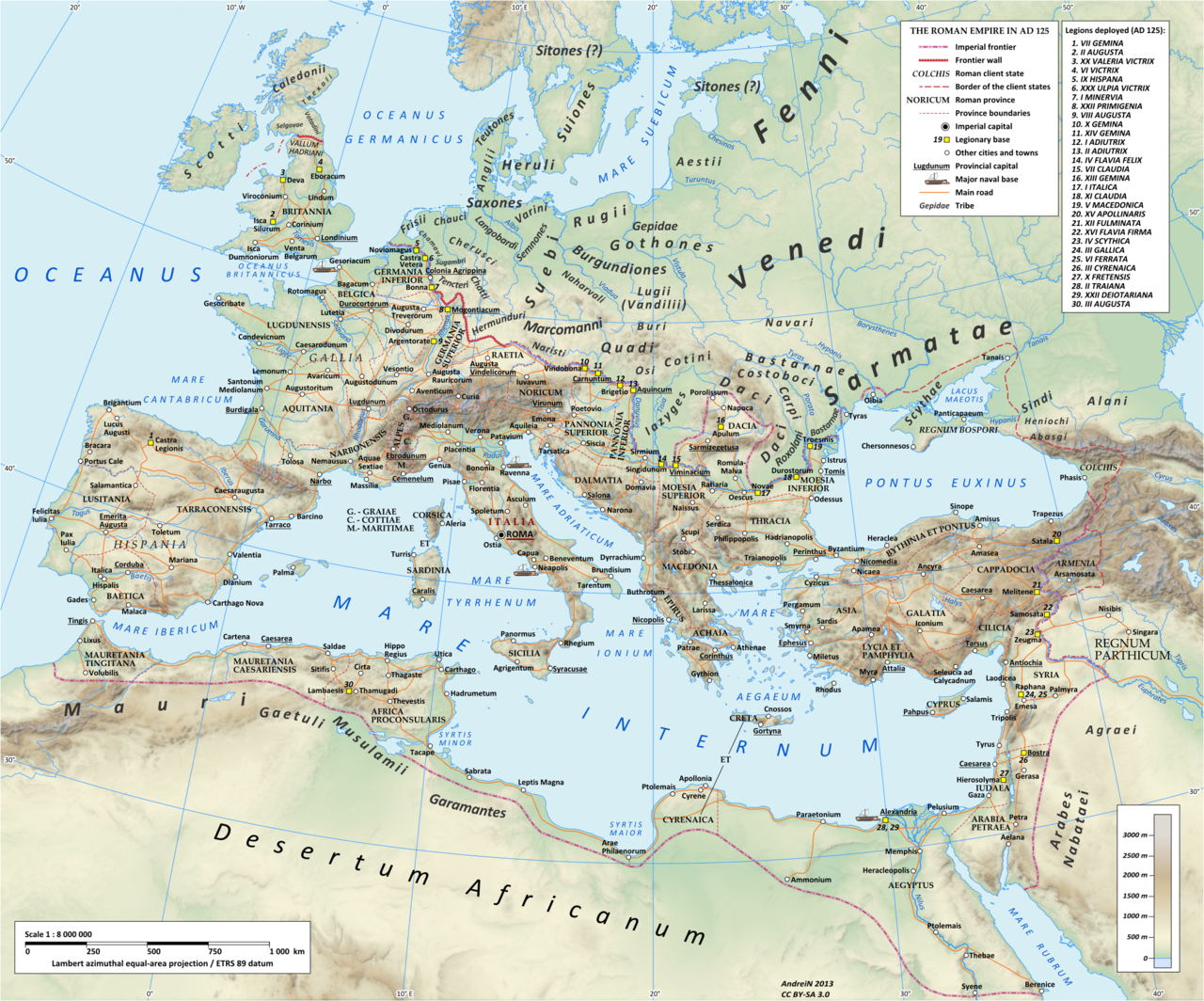
Early literary and archaeological evidence locates groups later called Vandals in parts of central and eastern Europe, including areas that are now in southern Poland and along the upper Oder and Vistula river systems. By the late Roman period the Vandals had divided into branches often named the Hasdingi and the Silingi. In the period of mass movements of peoples across the Roman frontiers they moved westward, crossed the Rhine frontier, passed through Gaul and for a time settled in Iberia. Under leaders such as Genseric, a core Vandal group crossed from Iberia to North Africa in the early 5th century and rapidly established a new power base.
Establishment of the North African kingdom
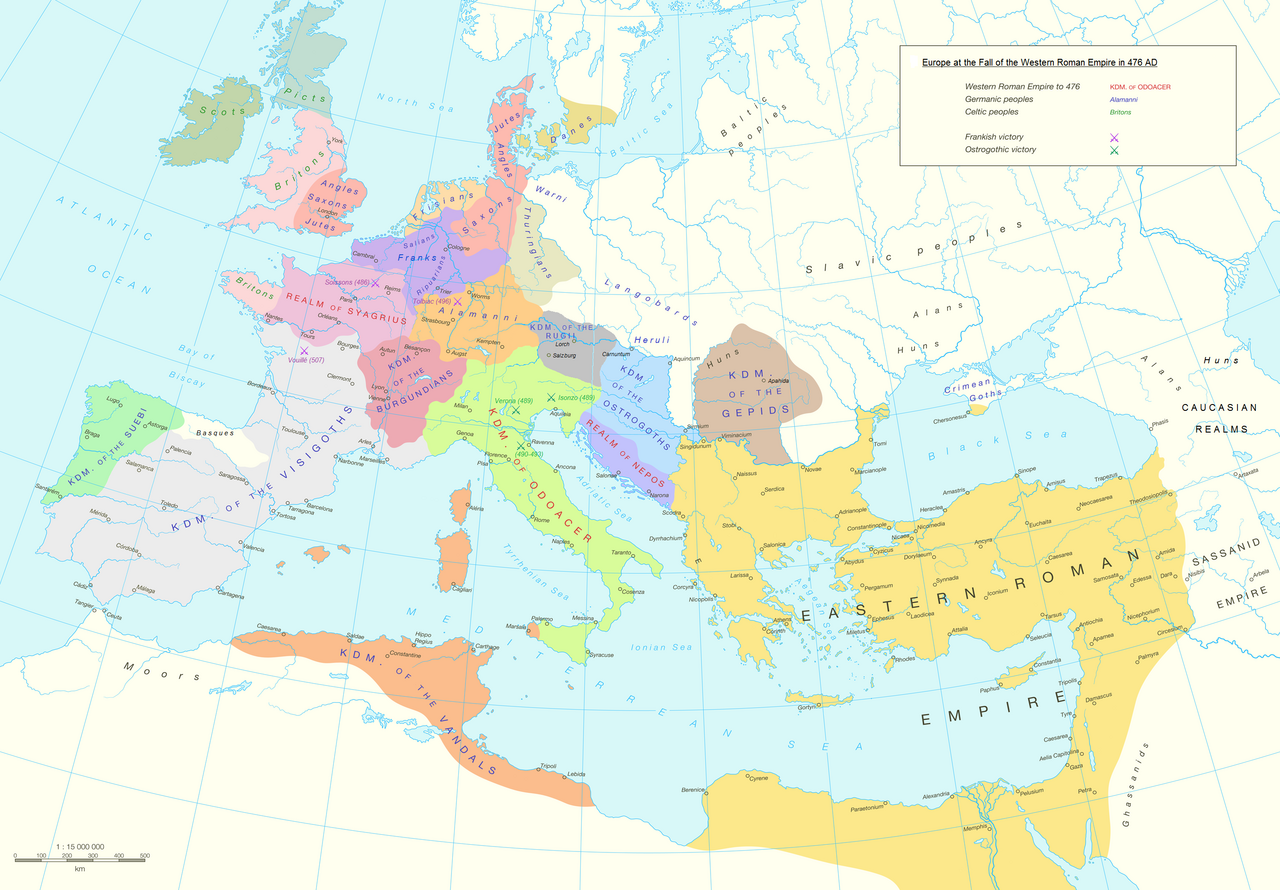
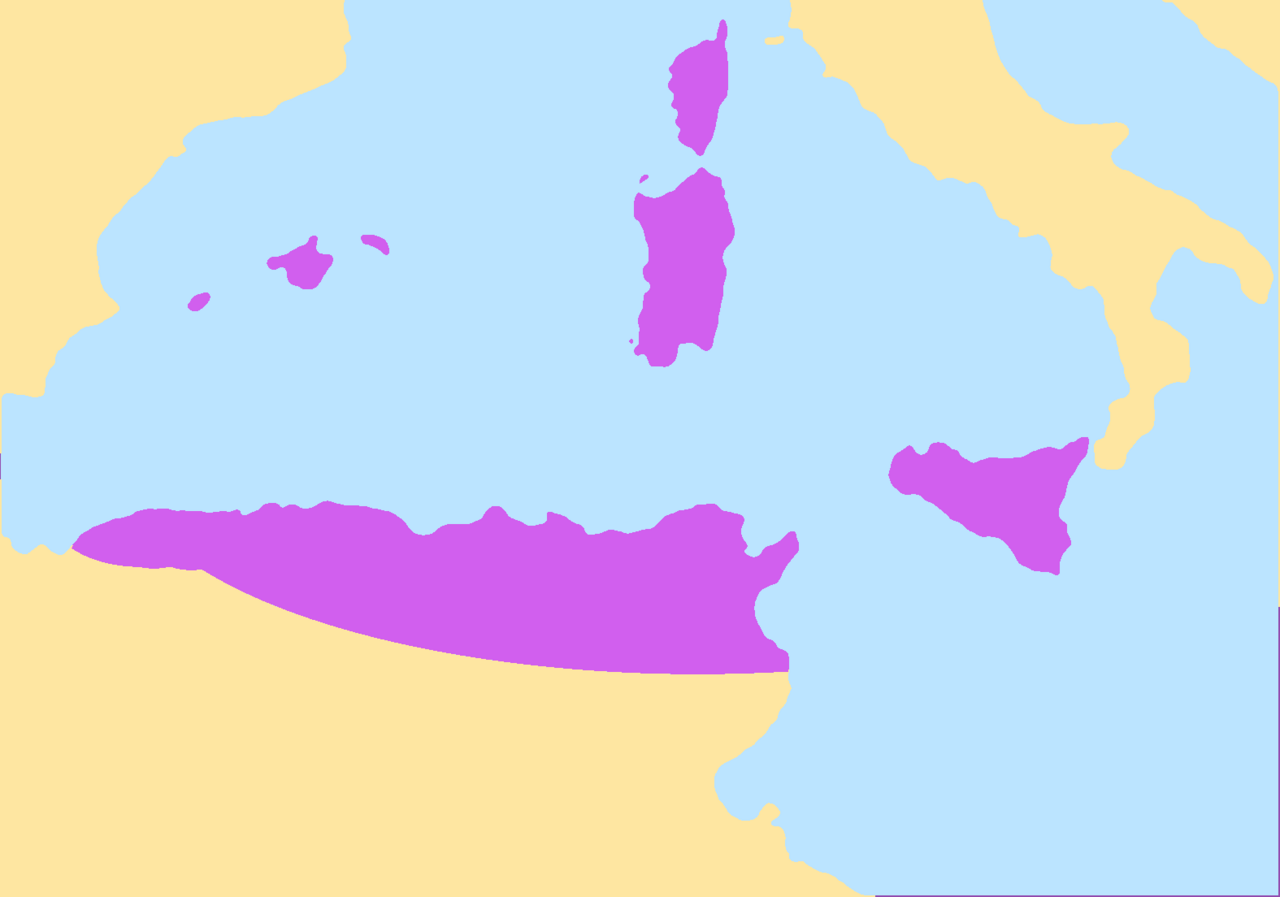
From their capital at Carthage the Vandals created a kingdom that controlled much of the coastal territory of modern Tunisia and parts of neighbouring provinces, and exercised influence over islands of the western Mediterranean. They developed a maritime policy, used naval forces to project power and to intercept grain and trade routes that had formerly served Roman interests. The kingdom consolidated in the decades after their arrival and became one of the major successor states that shaped Mediterranean politics in late antiquity.
Society, religion and administration
Vandal rulership combined Germanic warrior customs with adoption of many Mediterranean administrative practices. Royal authority was centralized under kings who maintained followings of warriors and negotiated with local landowners and municipal elites. The Vandal ruling elite largely adhered to Arian Christianity, a form of Christianity distinct from the Nicene (Catholic) faith of most of their subjects; this religious difference produced social and legal tensions and episodes of persecution, confiscation or discriminatory policy at various times.
Military activity and the sack of Rome
The Vandals were active at sea as well as on land. Their naval operations and raids across the western Mediterranean culminated in the 455 sack of Rome, an event that contributed to the later popular association of the tribe's name with destructive behavior. Modern historians caution that the episode should be seen in the broader diplomatic and military context of the time rather than reduced to an image of gratuitous vandalism. The Latin-derived word "vandalism" in modern languages reflects this later reputation.
Relations with other kingdoms
The Vandals were part of a network of Germanic and post-Roman polities. They maintained diplomatic and dynastic contacts with other groups such as the Goths, including notable figures like Theodoric the Great, and had relations with the Ostrogoths and Visigoths. They also intersected with the histories of the Burgundians and Franks. Individual marriages and treaties formed part of the complex balance of power among these kingdoms, including contacts with rulers associated with Clovis I in Frankish domains.
Byzantine conquest and end of the kingdom
In the mid-6th century the Eastern Roman or Byzantine Empire mounted a major campaign to recover former Roman territories. Under the emperor Justinian I the general Belisarius led forces that defeated the Vandals and brought the African provinces back under imperial administration in 533–534. The conquest ended the independent Vandal polity but did not erase the demographic and cultural changes the Vandals had helped produce in the region.
Toponymy, historiography and legacy
The Vandals figure in debates about place-names and cultural memory. One debated hypothesis connects the tribal name to Andalusia, proposing an origin from a form such as "Vandalusia"; this and related etymological theories linking the name to Al-Andalus are among several competing explanations and are not universally accepted. The Vandals' role in Mediterranean trade, their religious policies, and their maritime power influenced later medieval and modern perceptions of North Africa and the western Mediterranean coast. Their story is often used to illustrate broader themes in late antique history: migration, cultural encounter, the persistence and adaptation of Roman institutions, and the creation of successor kingdoms.
Further reading and context
For an introduction to the Vandals in their wider context see works on Germanic migrations and the late Roman Empire. For regional studies consult treatments of the Vandal Kingdom in North Africa and its economy, and surveys of relations among the Germanic kingdoms and the Ostrogoths and Visigoths. For the political landscape of the era, studies of the Byzantine Empire and the reign of Justinian I are useful. Regional histories of southern Spain and the western Mediterranean also discuss the Vandals' short-lived presence in Iberia and their long-term reputation in European cultural memory.
Related articles
Author
AlegsaOnline.com Vandals: migrations, the North African kingdom, and historical legacy Leandro Alegsa
URL: https://en.alegsaonline.com/art/104183