
Venice and Dalmatia: maritime power and coastal region in historical perspective
Overview of the long relationship between the Venetian Republic and the Dalmatian coast: political rule, maritime trade, cultural exchange, architecture and lasting regional legacy.
Overview
The history of Venice and Dalmatia describes a prolonged and multifaceted relationship between the maritime Venetian state and the eastern Adriatic coast. From the later Middle Ages until the end of Venetian rule in the late eighteenth century, Venice maintained political, military and commercial ties with Dalmatian towns, islands and ports. These connections shaped navigation, coastal defence and cross-Adriatic commerce, and left visible traces in built environment and local institutions.
Image gallery
10 Images




Historical development
Venice extended influence in Dalmatia through a combination of diplomacy, economic presence and military deployment. Strategic harbours and island outposts became nodes in Venetian maritime networks, while treaties and local agreements produced varied forms of control. Over time the relationship evolved in response to competition from other powers, the expansion of the Ottoman Empire on the mainland and changes in Mediterranean trade routes. The fall of the Venetian Republic brought new administrations and a major political realignment in the region during the nineteenth century.
Administration, society and economy
Dalmatian communities experienced a patchwork of arrangements under Venetian sovereignty: some towns enjoyed considerable autonomy, others were more directly administered. Venice relied on the coast for anchorages, timber, sailors and provisioning, and Dalmatian merchants benefited from wider market access. Obligations such as naval service and customs duties coexisted with local legal traditions and municipal elites who negotiated privileges with the Republic.
Cultural and architectural impact
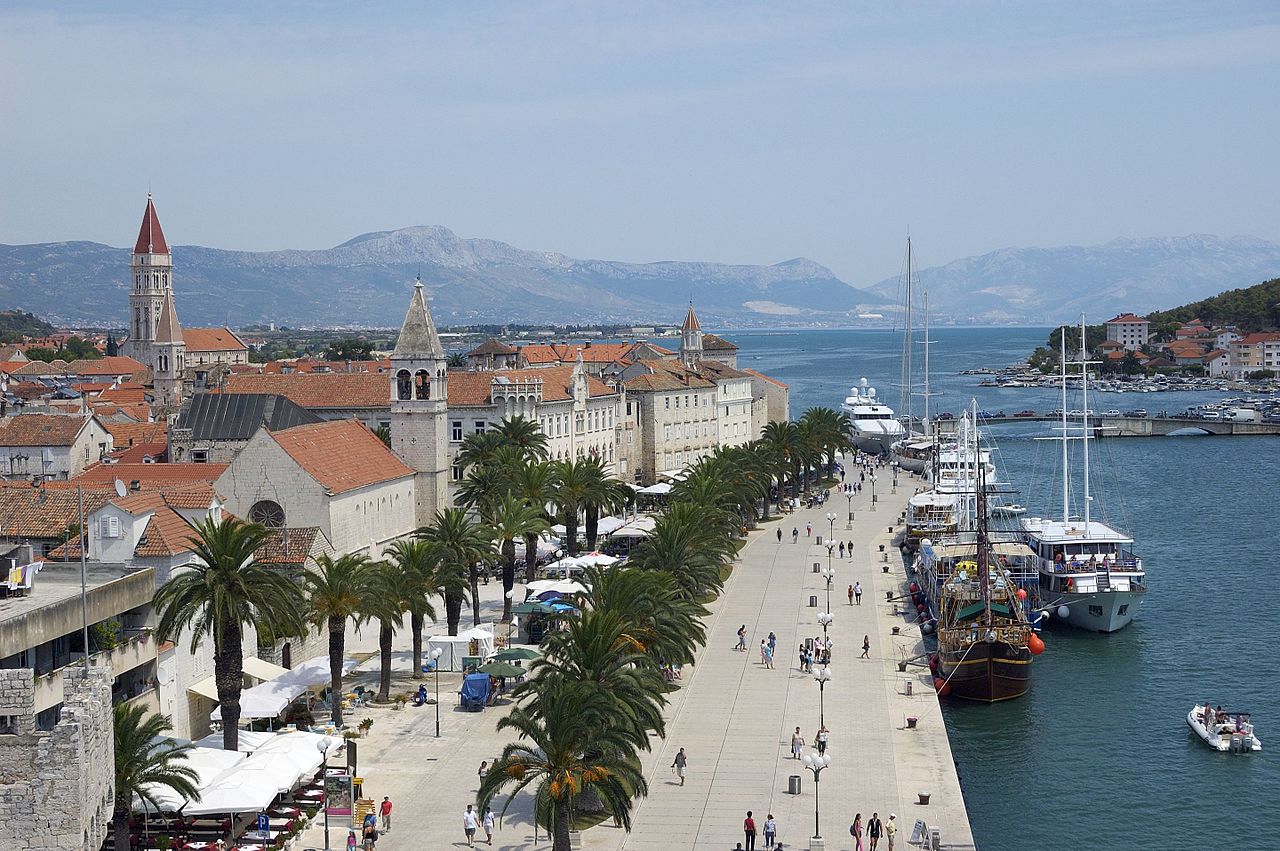
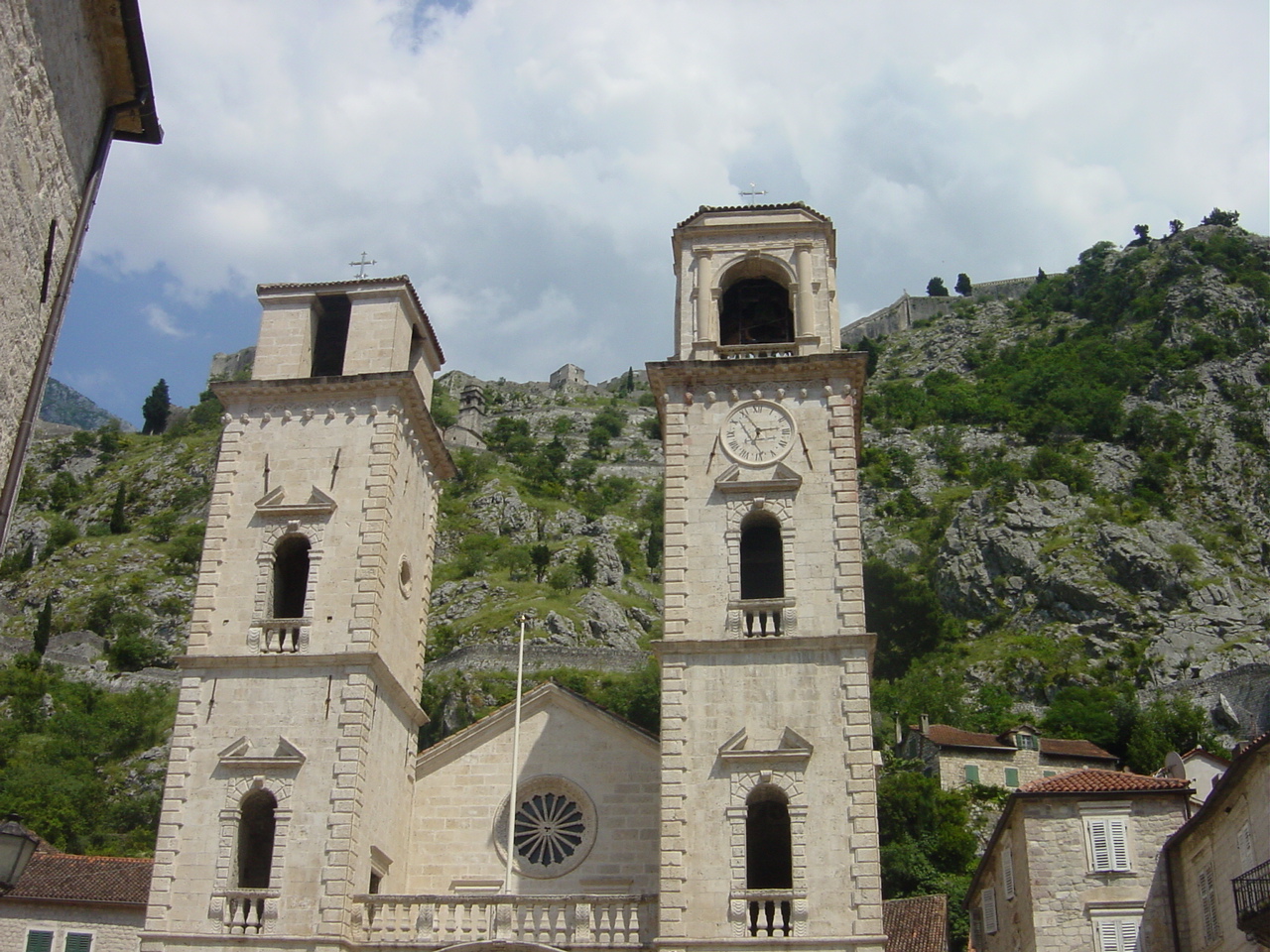
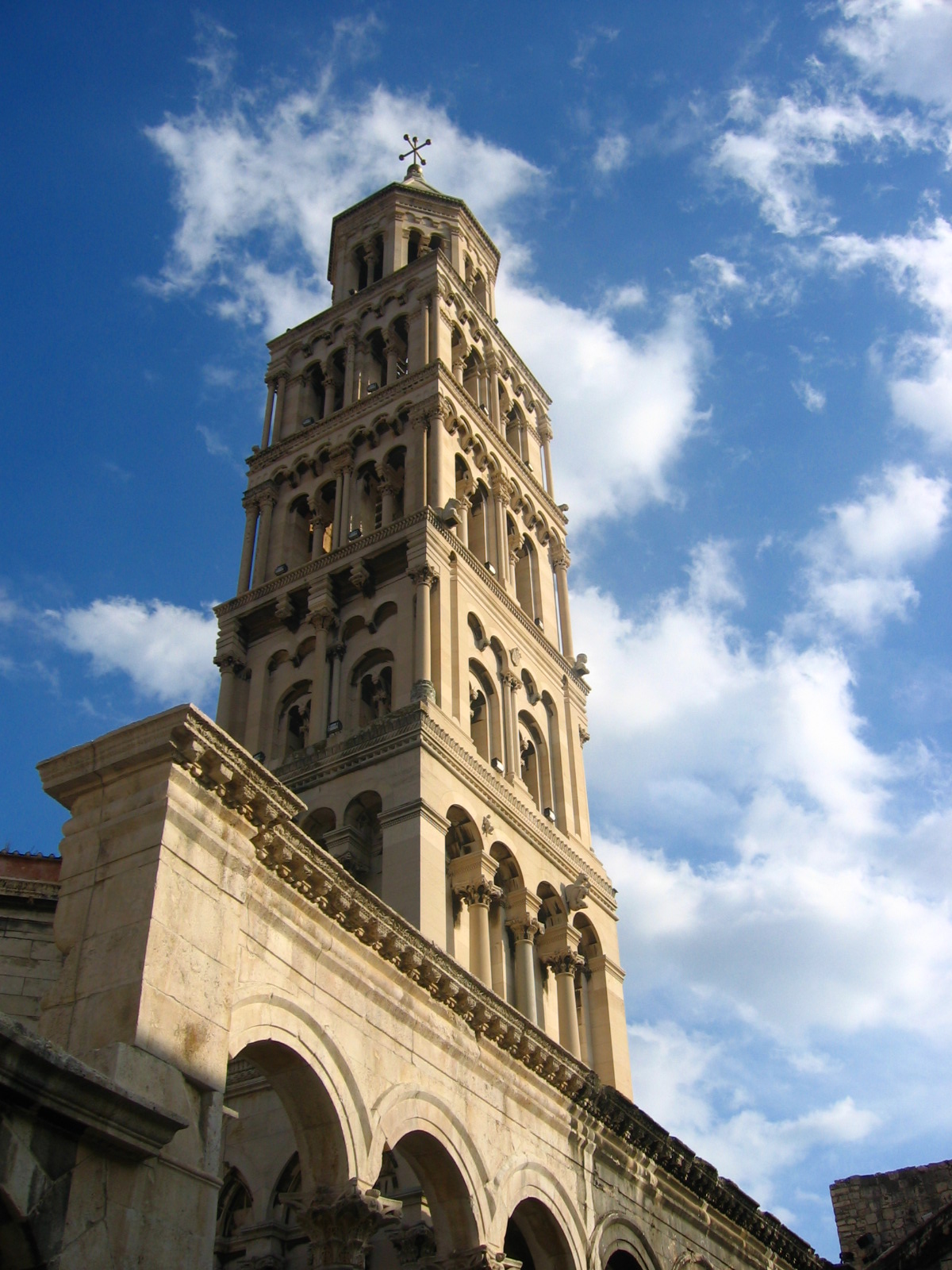
Architectural styles introduced or favoured under Venetian rule — Gothic and Renaissance façades, harbour-front loggias and fortified seafronts — remain prominent in many Dalmatian towns. Linguistic influence survives in regional dialects and maritime vocabulary, and legal and administrative practices shaped urban governance. The coastal landscape and island settlements still reflect the practical needs of seafaring life: ports, arsenals and defensive works.
Legacy and study
The Venice–Dalmatia relationship is central to understanding Adriatic history: it illustrates how maritime powers projected influence, how local societies adapted to long-term external ties, and how material culture can endure beyond changing borders. For introductory surveys and archival material see further reading.
Related articles
Author
AlegsaOnline.com Venice and Dalmatia: maritime power and coastal region in historical perspective Leandro Alegsa
URL: https://en.alegsaonline.com/art/104560
Sources
- books.google.com : Venice and the Slavs: The Discovery of Dalmatia in the Age of Enlightenment