
US Airways Flight 1549: The Hudson River Ditching and Its Aftermath
Emergency water landing of US Airways Flight 1549 on Jan 15, 2009 — a successful ditching in the Hudson River after bird strikes that disabled both engines; investigation, rescue, and legacy.
Overview
On January 15, 2009, US Airways Flight 1549 made an emergency water landing on the Hudson River after suffering a dual engine failure shortly after departing LaGuardia Airport in New York City. The event involved an Airbus A320 on a routine commercial flight to Charlotte and became widely known as the "Miracle on the Hudson" because all 155 people on board survived. The flight left LaGuardia at approximately 15:26 local time and ditched in the river five minutes later under the command of Captain Chesley "Sully" Sullenberger and First Officer Jeffrey Skiles.
Image gallery
10 Images




The immediate sequence and decisions
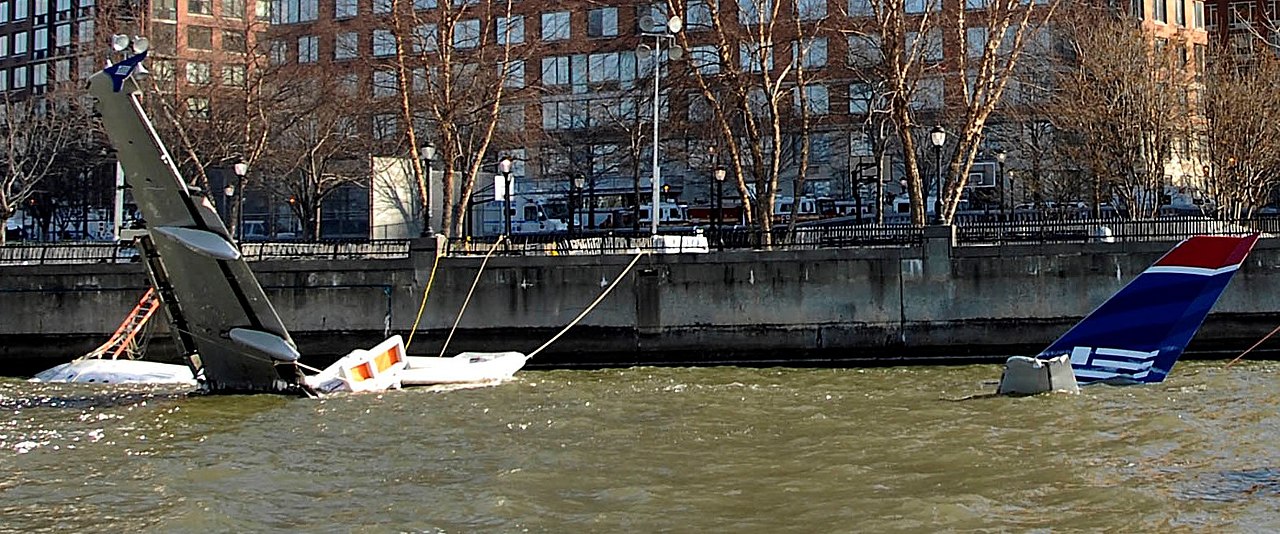
Shortly after takeoff the aircraft struck a flock of Canada geese; several birds were ingested into both engines, which rapidly lost thrust. The flight crew evaluated options and determined a return to LaGuardia or diversion to nearby Teterboro Airport in New Jersey were not safely achievable given altitude, aircraft performance, and time. Captain Sullenberger elected to perform a controlled water landing. The airplane touched down on the river surface at about 15:31, remained largely intact, and was evacuated onto wings and life rafts. Nearby ferries and emergency vessels reached the scene within minutes and assisted in transferring passengers to safety.
Aircraft, crew, and passengers
The airplane involved was an Airbus A320 operated by US Airways. The crew consisted of a highly experienced captain and a first officer; beyond the flight deck, cabin crew executed rapid evacuation procedures and helped passengers don life vests and move onto the wings and rafts. Passengers and rescuers experienced cold conditions and risk of hypothermia, but most people sustained only minor injuries; some were treated in hospitals. The quick response by commercial boat operators, police, fire departments, and federal responders was crucial.
Rescue, recovery, and public response
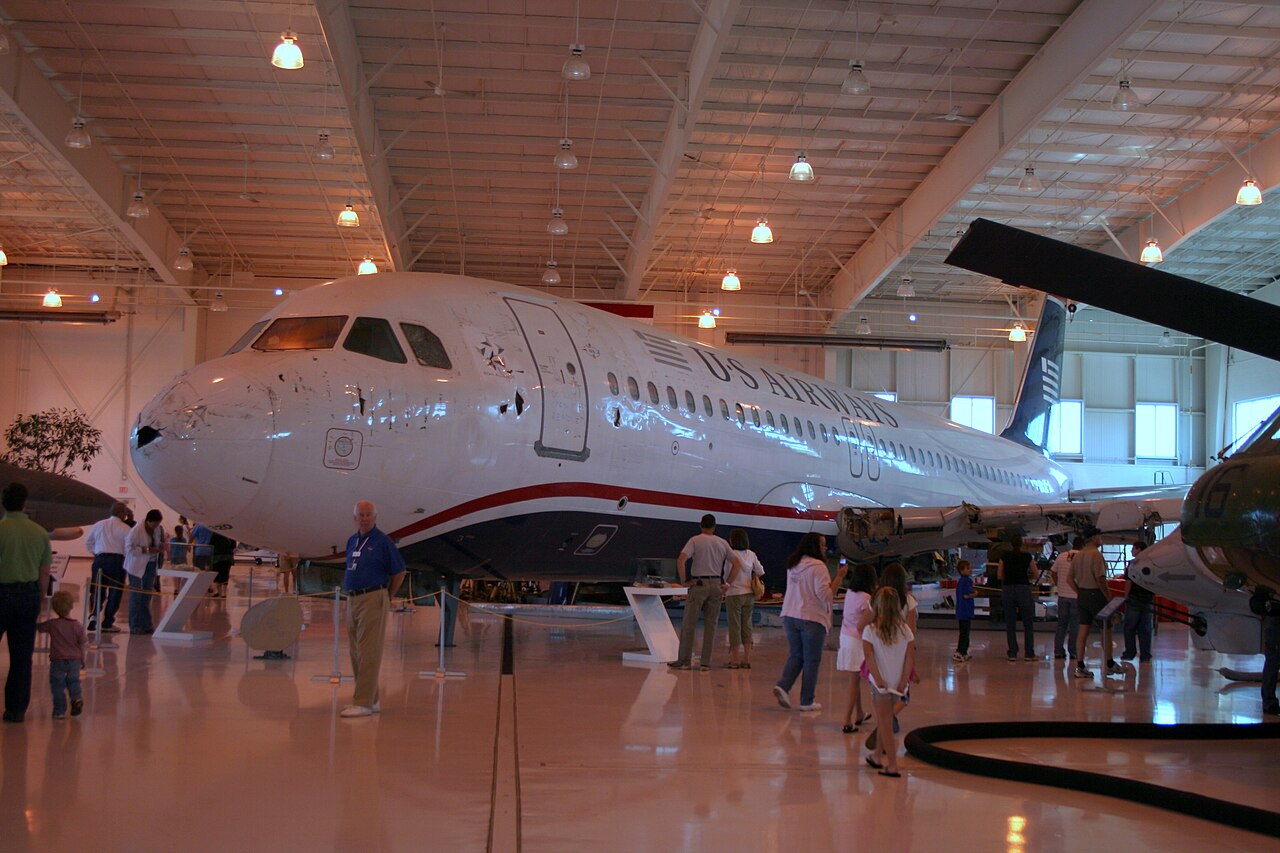
Survivors were taken to shore on both banks of the river and transported to medical facilities when needed. Local ferry operators and private boats were among the first to arrive, demonstrating the role civilian vessels played in the rescue. The successful evacuation and the photograph of passengers on the aircraft wings made the incident a prominent story in the media and contributed to the popular label of a near-miraculous outcome. The aircraft's fuselage later became part of a museum exhibit in Charlotte at the Carolinas Aviation Museum, and the story inspired a 2016 film titled Sully, a dramatization of the incident focusing on the captain's actions.
Investigation and findings
The National Transportation Safety Board (NTSB) conducted a thorough investigation into the causes and the crew's decision-making. Its report concluded that both engines lost thrust after ingesting birds and that the flight crew's decision to ditch in the river was appropriate under the circumstances. The inquiry examined crew procedures, aircraft performance, bird-strike hazards, emergency evacuation, and rescue coordination. As part of the official record, the NTSB's findings reinforced the importance of simulator training, crew resource management, and clear procedures for handling multiple system failures shortly after takeoff.
Legacy, safety lessons, and notable facts
Flight 1549 prompted renewed attention to wildlife management near airports, changes in bird-control practices, and research into engine resilience to bird ingestion. It also highlighted procedure and training improvements for ditching and rapid evacuation. The incident remains a frequently cited case in aviation safety courses and public discussions about human factors in emergencies. For further reading and multimedia resources see official documents and portrayals such as the NTSB report, contemporary news coverage, and dramatized accounts: LaGuardia Airport background, Charlotte as a destination, New York state context, Seattle connection, Washington state references, Canada geese and wildlife hazards, Teterboro Airport considerations, and life raft and evacuation equipment.
- Key takeaways: effective crew communication, quick decision-making, rapid civilian and official rescue response.
- Notable follow-ups: museum exhibit of the aircraft and the 2016 feature film Sully.
The Flight 1549 ditching remains an instructive episode in modern aviation history: a rare example of a successful controlled water landing after complete loss of thrust, whose study continues to influence airport wildlife management, pilot training, and emergency response planning worldwide.
Related articles
Author
AlegsaOnline.com US Airways Flight 1549: The Hudson River Ditching and Its Aftermath Leandro Alegsa
URL: https://en.alegsaonline.com/art/103647