
Charlotte, North Carolina
An overview of Charlotte, the largest city in North Carolina: geography, economy, history, culture, major institutions, and notable facts about growth and identity.
Overview
Charlotte is the largest city in the state of North Carolina and a major urban center in the southeastern United States. Commonly called the "Queen City," it serves as the economic and cultural hub of the Charlotte metropolitan area. Charlotte is known for a rapidly growing population, a prominent skyline concentrated in its central business district (often called Uptown), and a mix of residential, technology and service industries.
Image gallery
10 Images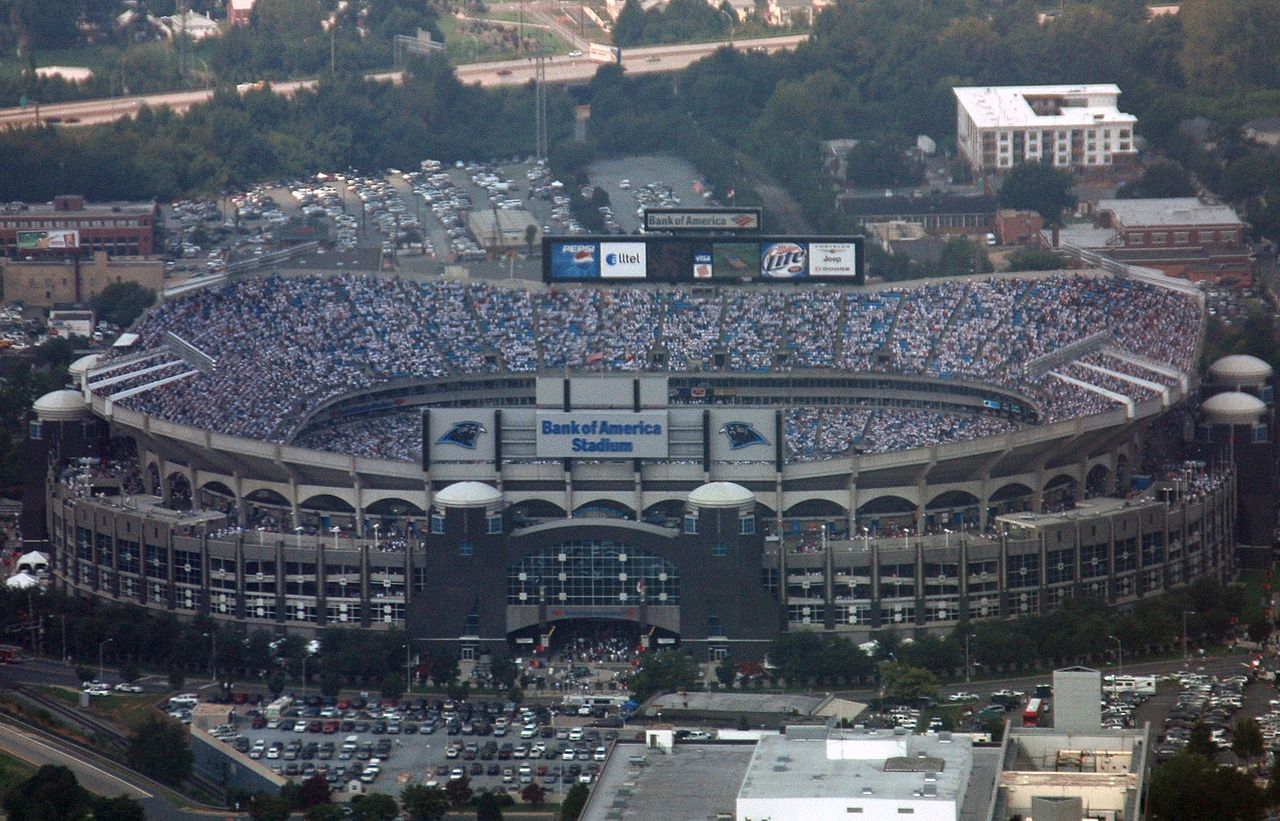



Location and neighborhoods
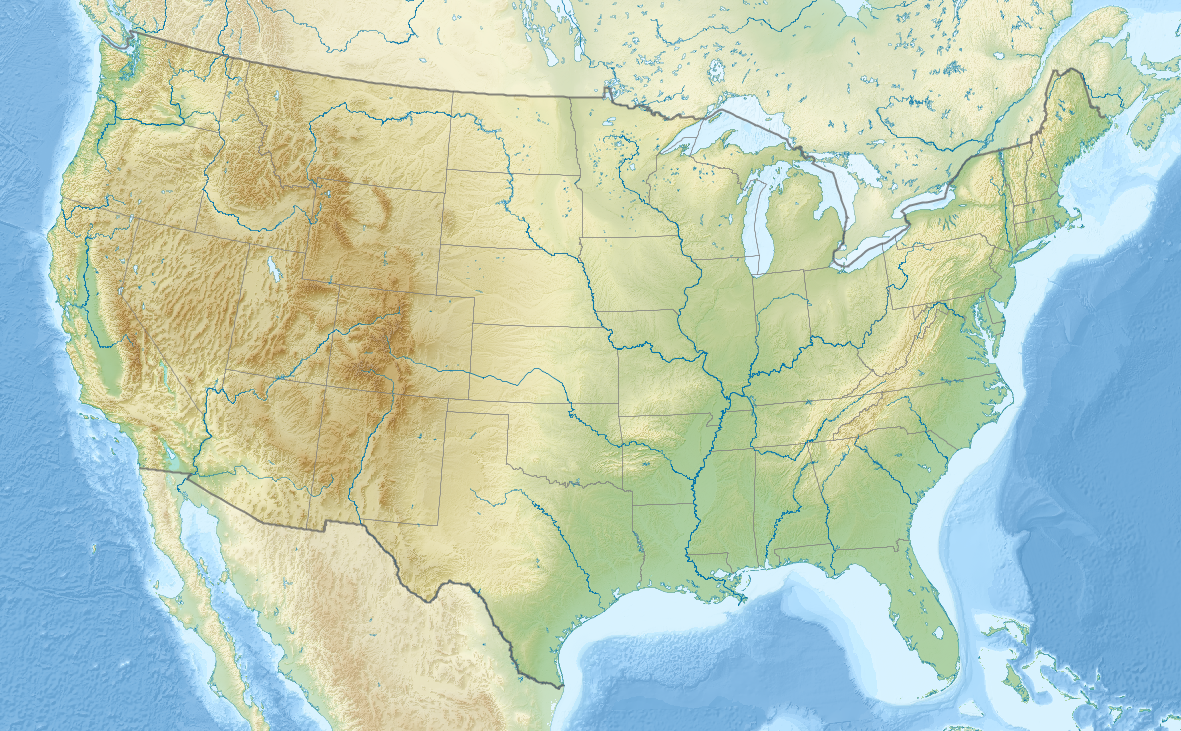
Located in the Piedmont region, Charlotte lies within Mecklenburg County and extends into adjacent counties as it has grown. The city contains a variety of distinct neighborhoods and districts. Prominent areas include Uptown (the central business district), South End (known for restaurants, rail-trail access and converted industrial spaces), NoDa (an arts and entertainment district), and the suburban corridors that branch outward. Visitors arriving by air typically use Charlotte Douglas International Airport, one of the region's major aviation hubs.
Economy and institutions
Charlotte has a diversified economy with strengths in finance, energy, technology, and healthcare. It is widely recognized as a leading banking center; several major banking operations and regional headquarters are based there, contributing to a dense concentration of financial services jobs. The city also hosts corporate offices, regional headquarters, and a growing startup community. Transportation links, including an interstate network and a busy airport, support both commerce and tourism.
History and development
Charlotte traces its name and early identity to Charlotte of Mecklenburg-Strelitz, queen consort of Great Britain. Founded in the 18th century, the area expanded through trade, manufacturing and later banking. North Carolina’s early gold discoveries in nearby areas and the later arrival of railroads shaped the 19th-century economy. In the 20th and 21st centuries, Charlotte transformed from a regional trading town to a national financial center and one of the fastest-growing metropolitan areas in the United States.
Culture, sports and education
The city supports diverse cultural institutions, professional sports franchises, and higher education. Major teams and venues attract regional attention and national events. Museums, performing arts organizations and festivals reflect a mix of Southern traditions and contemporary influences. Higher education is anchored by institutions such as the University of North Carolina at Charlotte and several community and private colleges, which supply research, workforce development and cultural programming.
Notable facts and distinctions
- Charlotte is the largest city in North Carolina: see city profile.
- It is a primary economic engine for the state and a major banking center: financial overview.
- The metropolitan area serves millions of residents and commuters, with extensive suburban growth: metro data.
- Population and demographic information are tracked by federal and local agencies: census and planning resources.
Charlotte continues to evolve as a regional capital for business, transportation and culture. Its combination of historic roots, modern financial institutions, and active civic life make it a distinctive American city with both local character and national significance.
Related articles
Author
AlegsaOnline.com Charlotte, North Carolina Leandro Alegsa
URL: https://en.alegsaonline.com/art/18835
Sources
- commons.wikimedia.org : Charlotte, North Carolina
- census.gov : U.S. Census Bureau
- factfinder2.census.gov : "Annual Estimates of the Resident Population for Incorporated Places of 50,000 or More, Ranked by July 1, 2013 Population: April 1, 2010 to July 1, 2013 - United States -- places over 50,000 population"
- sites.rootsweb.com : "Mecklenburg County North Carolina Genealogy"
- cmstory.org : "The Charlotte-Mecklenburg Story: History Timeline: Charlotte Incorporated"
- cmstory.org : "The Charlotte-Mecklenburg Story: History Timeline: Mecklenburg Declaration"
- cmstory.org : "The Charlotte-Mecklenburg Story: History Timeline: Mecklenburg Resolves"
- cmstory.org : "The Charlotte-Mecklenburg Story: History Timeline: The City of Churches"
- blanchardonline.com : Blanchard Online: American Rarities
- blanchardonline.com : blanchardonline.com/AmericanRarities/archive-08/char.html
- cmstory.org : "The Charlotte-Mecklenburg Story: History Timeline: 80s Charlotte"
- media.newsobserver.com : media.newsobserver.com
- newcomer.com : newcomer.com