
Commercial aviation: operations, history, and role in modern transport
Commercial aviation covers aircraft operated for hire to carry passengers and cargo, including airlines, freighters, airports, regulation, and economic and environmental impacts.
Overview
Commercial aviation is the sector of civil aviation concerned with aircraft flown for remuneration or hire to transport people and goods. It includes scheduled and non‑scheduled airline services, dedicated cargo carriers, and other commercial flight operations. For definitions and classifications see scheduled airline services and related categories.
Image gallery
5 Images


Core components
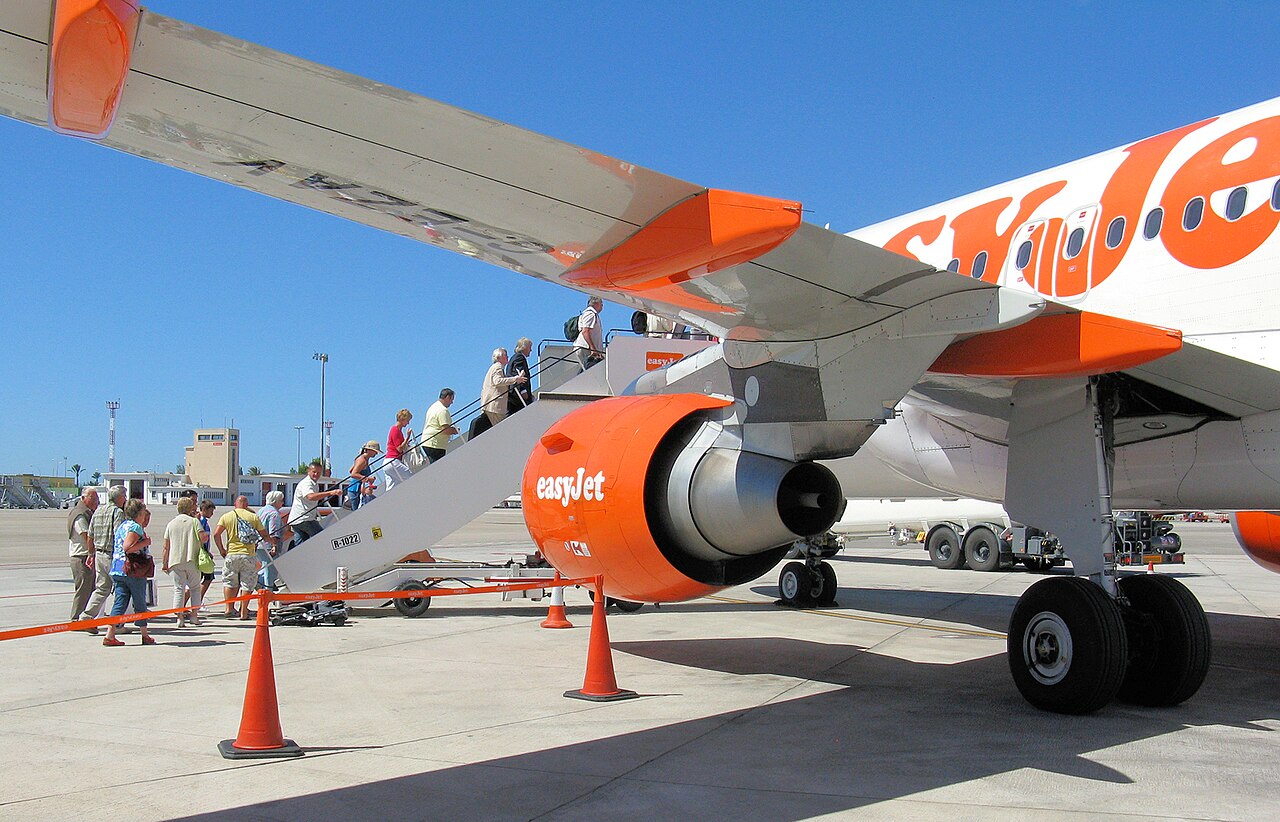
The industry is built from several interdependent parts: the aircraft and their crews, airline companies and business models, airport infrastructure, and air traffic management. Aircraft types range from regional turboprops to long‑haul jetliners and special freighter conversions. Operators rely on fleets of certified aircraft (see working aircraft) supported by maintenance, ground handling and cargo systems (cargo operations).
History and regulation
Commercial air transport expanded rapidly in the 20th century. In many countries early laws and international agreements established safety and operational standards; in the United States the Air Commerce Act of 1926 marked one of the first formal steps to regulate and promote commercial air services. Since then, aviation regulation has evolved to cover airworthiness, crew licensing, airport security and environmental controls.
How it operates
Airlines plan routes and schedules to match demand, using hub-and-spoke or point-to-point networks. Operations depend on air traffic control, airport capacity, ground services and logistics for cargo. Safety and reliability are maintained through rigorous maintenance programs, crew training and oversight by national and international authorities.
Economic and societal role
Commercial aviation is a key enabler of global trade, tourism and business connectivity. It supports supply chains by linking manufacturers and markets and provides rapid freight delivery for high‑value or time‑sensitive goods. Airlines and airports also generate significant employment and support related industries.
Challenges and future trends
The sector faces ongoing challenges including fuel costs, infrastructure congestion, and environmental impacts such as greenhouse gas emissions and noise. Innovation focuses on fuel efficiency, alternative propulsion, improved air traffic management and measures to reduce local environmental effects. Market structures vary from legacy carriers to low‑cost and cargo specialists, each adapting to regulatory, economic and technological change.
Key distinctions
- Commercial vs general aviation: commercial flights are operated for hire; general aviation covers private, instructional and non‑commercial activities.
- Passenger vs cargo operators: some airlines mix both, while freighters specialize in goods.
- Business models: hub carriers, point‑to‑point low‑cost carriers, regional feeders and integrators for express freight.
For further reading and technical definitions consult industry resources and regulatory documents via official airline classifications, aircraft registration and certification and materials on air cargo operations.
Author
AlegsaOnline.com Commercial aviation: operations, history, and role in modern transport Leandro Alegsa
URL: https://en.alegsaonline.com/art/136874