
Van Resistance (Siege of Van, 1915)
Armenian self-defence in the city of Van during World War I, where local inhabitants resisted Ottoman forces in April–May 1915; a contested episode in the wider wartime violence in eastern Anatolia.
Overview
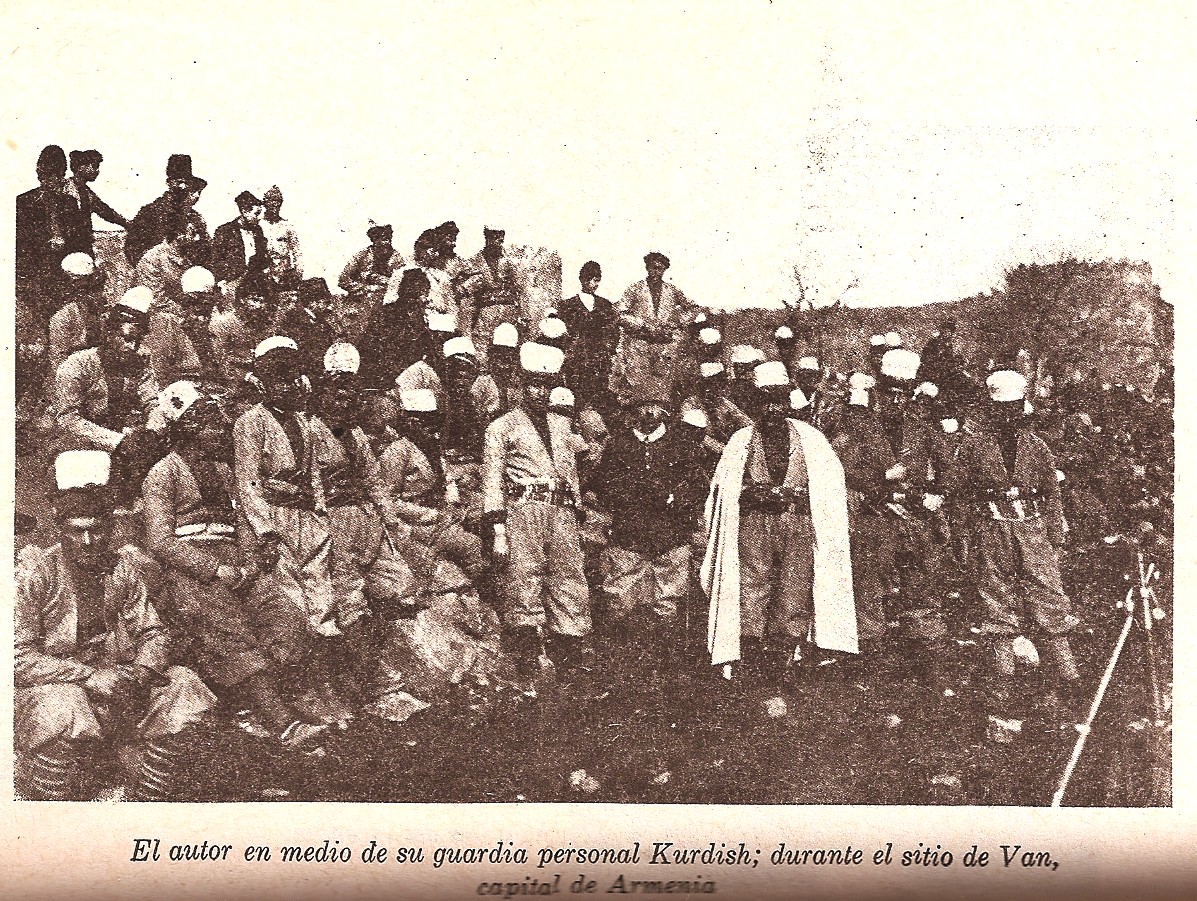
The Van Resistance, often called the Siege of Van, was an episode of armed self-defence by the Armenian population of the city of Van in eastern Anatolia during World War I. Local Armenian groups held the city against Ottoman military units and irregulars in April–May 1915. The event is described by different communities with varying names and emphases: the Armenian term is Vani Herosamart and several Turkish terms include Van Direnişi or Van İsyanı.
Image gallery
10 Images





Setting and causes
Van was a multiethnic provincial center in the late Ottoman Empire, with Armenians, Kurds and Turks among its inhabitants. Tensions rose after the Ottoman Empire entered the First World War and amid broader wartime insecurity, competing local power struggles, and reports of massacres elsewhere. Many Armenians in the city organized to protect civilians, stores and institutions from advancing forces and irregulars.
Course of events
- Armed clashes and barricading in the city began in April 1915 as Ottoman troops and irregular bands pressed on surrounding districts.
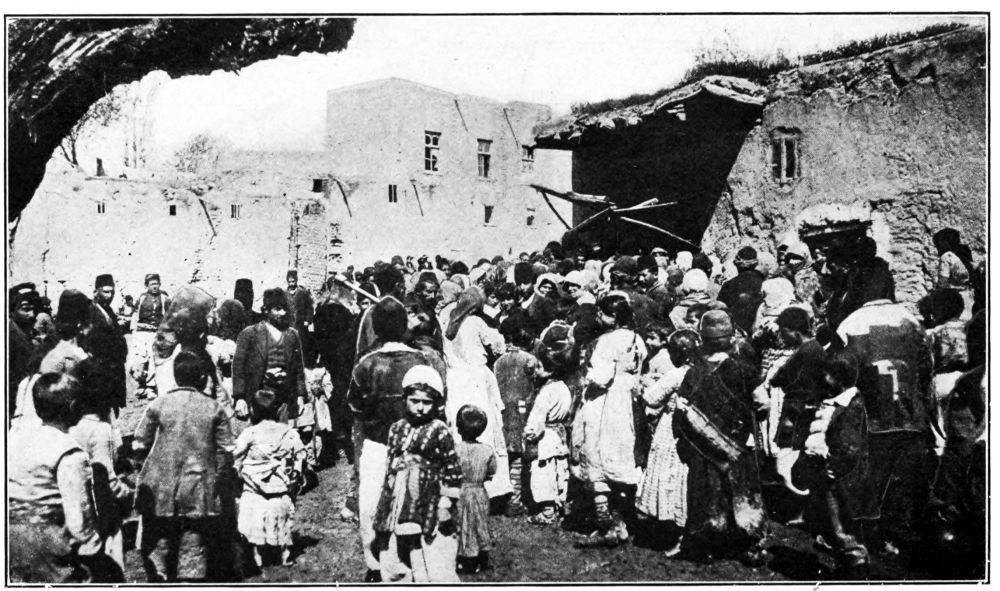
- Defenders established positions in the central districts and around key buildings, attempting to shelter refugees who had arrived from rural areas.
- Russian Caucasus forces later advanced into the region and moved toward Van, altering the tactical situation and enabling Armenian forces to hold the city until administrative control changed hands temporarily.
Aftermath and significance
After the fighting, the city experienced population movements, destruction and a humanitarian crisis common to many frontline towns in 1915. The episode left a lasting legacy in Armenian collective memory as an act of resistance and survival. For others, it is framed as an insurrection. Historians place the events at Van in the broader context of wartime violence in eastern Anatolia during World War I, a period subject to extensive scholarly study and differing national narratives.
Contested interpretations
Contemporary and later accounts vary substantially. Official Ottoman and some Turkish narratives often depicted the episode as an armed rebellion, while Armenian and many foreign observers emphasized defensive motivations and civilian suffering. Modern scholarship seeks to examine sources critically, noting local dynamics, the role of irregulars, logistical breakdowns, and the interaction between military operations and civilian protection efforts within the collapsing wartime empire.
Legacy
The Van Resistance remains significant for understanding communal relations, civilian defence, and the human consequences of military collapse in the late Ottoman period. It is referenced in studies of the Ottoman state, the Caucasus front, and the fates of ethnic communities during upheaval. For further contextual reading about the region and the empire in which Van lay, see introductions to the wartime Ottoman state and its borderlands in 1914–1918 (Ottoman Empire) and related regional histories.


Related articles
Author
AlegsaOnline.com Van Resistance (Siege of Van, 1915) Leandro Alegsa
URL: https://en.alegsaonline.com/art/104153