
Vargas tragedy: 1999 mudslides and floods on Venezuela's north coast
A catastrophic series of floods and landslides that struck Vargas state, Venezuela in December 1999, causing massive loss of life, destruction of towns and near-total collapse of local infrastructure.
Overview
The Vargas tragedy refers to an extreme flooding and landslide disaster that struck the coastal state of Vargas (now La Guaira) on Venezuela's north-central coast in mid-December 1999. Intense rains over a short period triggered flash floods, debris flows and mudslides that devastated coastal towns and low-lying settlements, destroying infrastructure and causing a very large number of fatalities and displacements. Contemporary estimates of lives lost vary; many sources give a wide range and official counts are uncertain, in part because whole neighborhoods were obliterated and many victims were swept to sea.
Image gallery
7 Images



Causes and physical characteristics
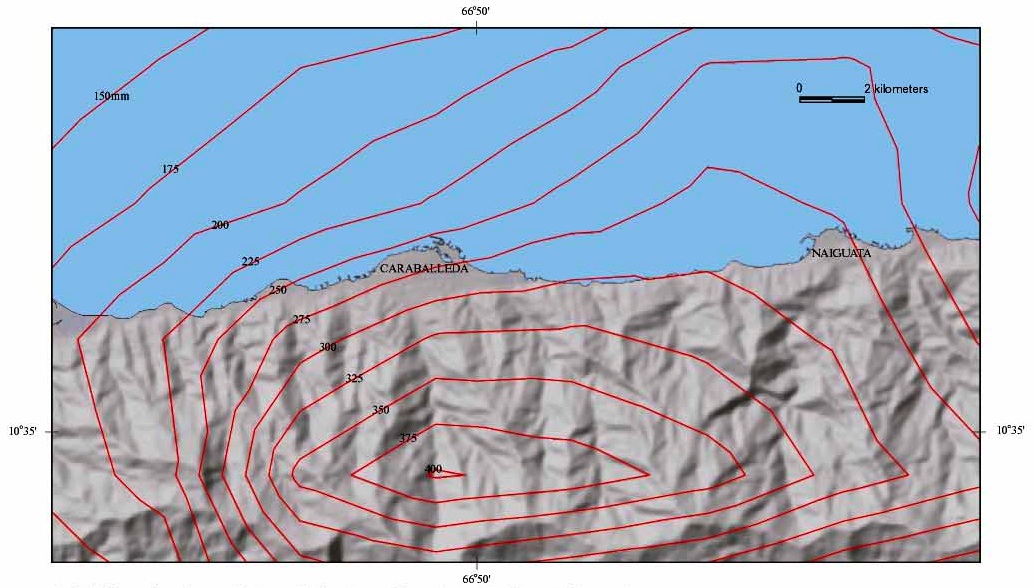
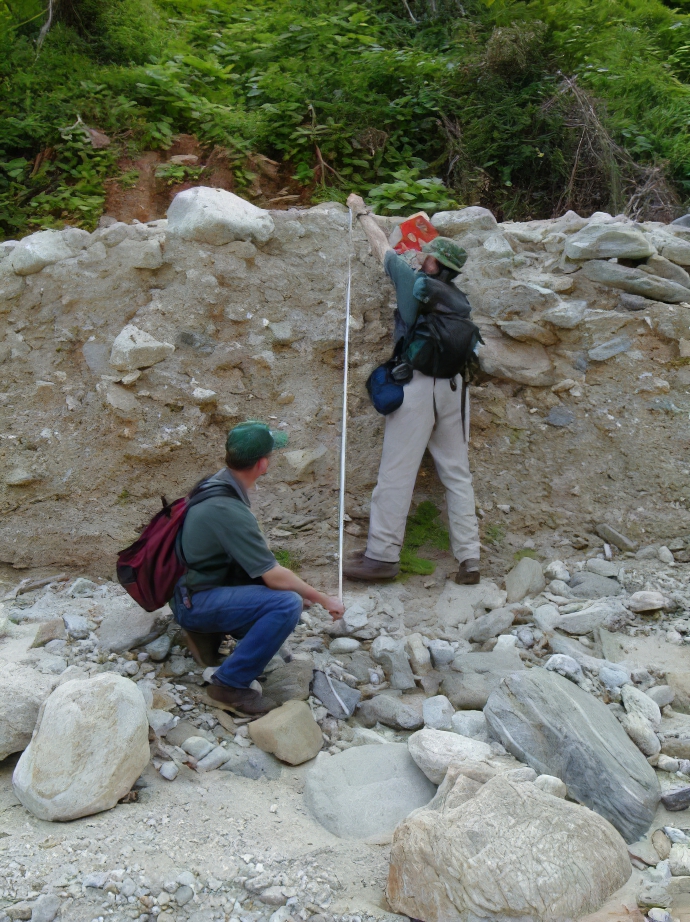
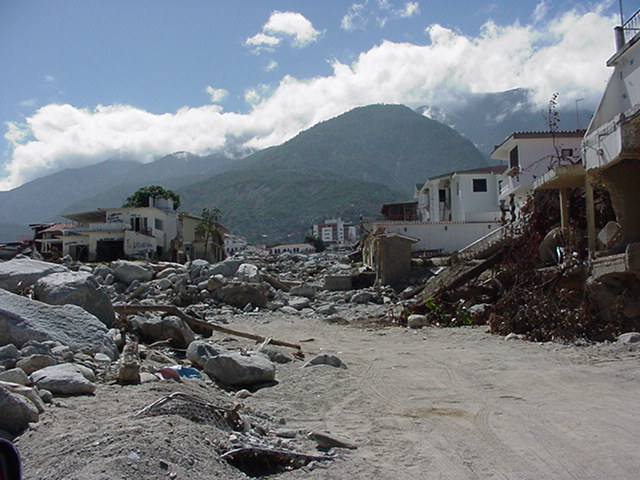
The event followed an unusually heavy 52-hour rainfall episode during 14–16 December 1999. Rain gauges at the Simón Bolívar International Airport in Maiquetía recorded totals that were extraordinary for the region, including intense hourly rates during the worst periods. The combination of steep coastal slopes, deforested or poorly vegetated hillsides, saturated soils and built-up settlements on alluvial fans and river mouths created conditions in which heavy rain rapidly converted into catastrophic landslides and hyperconcentrated flows. Many streams and small rivers rose suddenly and carried boulders, mud and uprooted vegetation into inhabited areas.
Immediate impacts
The physical destruction was severe: entire neighborhoods and some small towns were reported swept into the sea or buried by debris. Critical elements of the state's infrastructure—including roads, bridges, water and power systems—were either destroyed or rendered unusable, isolating communities and complicating rescue and relief efforts. Housing stock suffered extensive loss, with thousands of homes and hundreds of apartment buildings damaged or lost, leaving tens of thousands homeless.
Human toll and economic damage
Precise casualty figures remain disputed because many bodies were never recovered and census information for some informal settlements was incomplete. Contemporary reports and post-disaster assessments placed fatalities in the thousands; some widely cited ranges span roughly 10,000 to 30,000, while recovered remains numbered in the low thousands. Economic losses were also substantial: damage estimates published after the event ran into the hundreds of millions or low billions of U.S. dollars, reflecting destroyed housing, public works and private property and the cost of emergency response and reconstruction.
Response, reconstruction and lessons
Local, national and international relief efforts followed the disaster, with emergency rescue, medical assistance and temporary shelter provided to survivors. The catastrophe exposed vulnerabilities: settlements located on alluvial deposits and unstable slopes, inadequate drainage and early-warning systems, and limited land-use regulation in hazard-prone areas. In its wake, authorities and aid organizations emphasized improved urban planning, slope stabilization, reforestation, better mapping of risk zones and investment in early-warning and evacuation procedures to reduce vulnerability to future intense rainfall events.
Notable facts and continuing significance
- The coastal sector affected by the 1999 disaster had experienced severe floods and landslides in earlier decades, reflecting the region's geologic and climatic predisposition to such events.
- Some towns and neighborhoods were reported to have been completely lost from maps; rebuilding required large-scale relocation and reconstruction of transport and utilities.
- The event is frequently cited in studies of tropical coastal disasters, urban vulnerability, and the importance of combining meteorological forecasting with land-use controls and community preparedness.
For further context on the affected administrative area, see Vargas state and related coastal geography in Venezuela; resources on disaster response and planning are available via emergency management guides and analyses of urban landslide risk prepared after the event. The Vargas tragedy remains a reference case for researchers and policy makers working on flood and slope hazards in tropical coastal settings.
Questions and answers
Q: What was the Vargas tragedy?
A: The Vargas tragedy was a disaster that struck the Venezuelan country's Vargas state on 15 December 1999. It was caused by heavy downpour of rain, flash floods and mudslides that killed 10,000-30,000 people and led to an complete collapse of the infrastructure of the state of Vargas.
Q: How much damage did it cause?
A: The disaster caused estimated damages of USD $1.79 to $3.5 billion.
Q: What towns were affected by this event?
A: Whole towns like Cerro Grande and Carmen de Uria completely disappeared due to the floods.
Q: How many people perished during this event?
A: As much as 10% of the population of Vargas perished during this event.
Q: When did this disaster occur?
A: This disaster occurred on 14-16 December 1999.
Q: How much rain fell in Simón Bolívar International Airport in Maiquetia, Venezuela during this time period?
A: In a 52-hour span during 14, 15 and 16 December 1999, 91.1 centimeters (35.9 in) of rain (approximately one year's total rainfall for the region) was measured at Simón Bolívar International Airport in Maiquetia, Venezuela. These heavy rains included 7.2 centimeters (2
Related articles
Author
AlegsaOnline.com Vargas tragedy: 1999 mudslides and floods on Venezuela's north coast Leandro Alegsa
URL: https://en.alegsaonline.com/art/104254
Sources
- pubs.usgs.gov : "Debris-flow and flooding hazards associated with the December 1999 storm in coastal Venezuela and strategies for mitigation"
- tierramerica.net : "Venezuela's Vargas Disaster Hard to Forget"