
Velvet Revolution (Czechoslovakia, 1989)
Peaceful mass movement in Czechoslovakia from 17 Nov–29 Dec 1989 that toppled Communist one‑party rule and began the country's transition to democracy and market reforms.
Overview
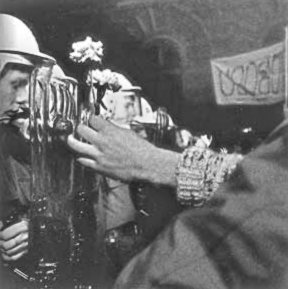
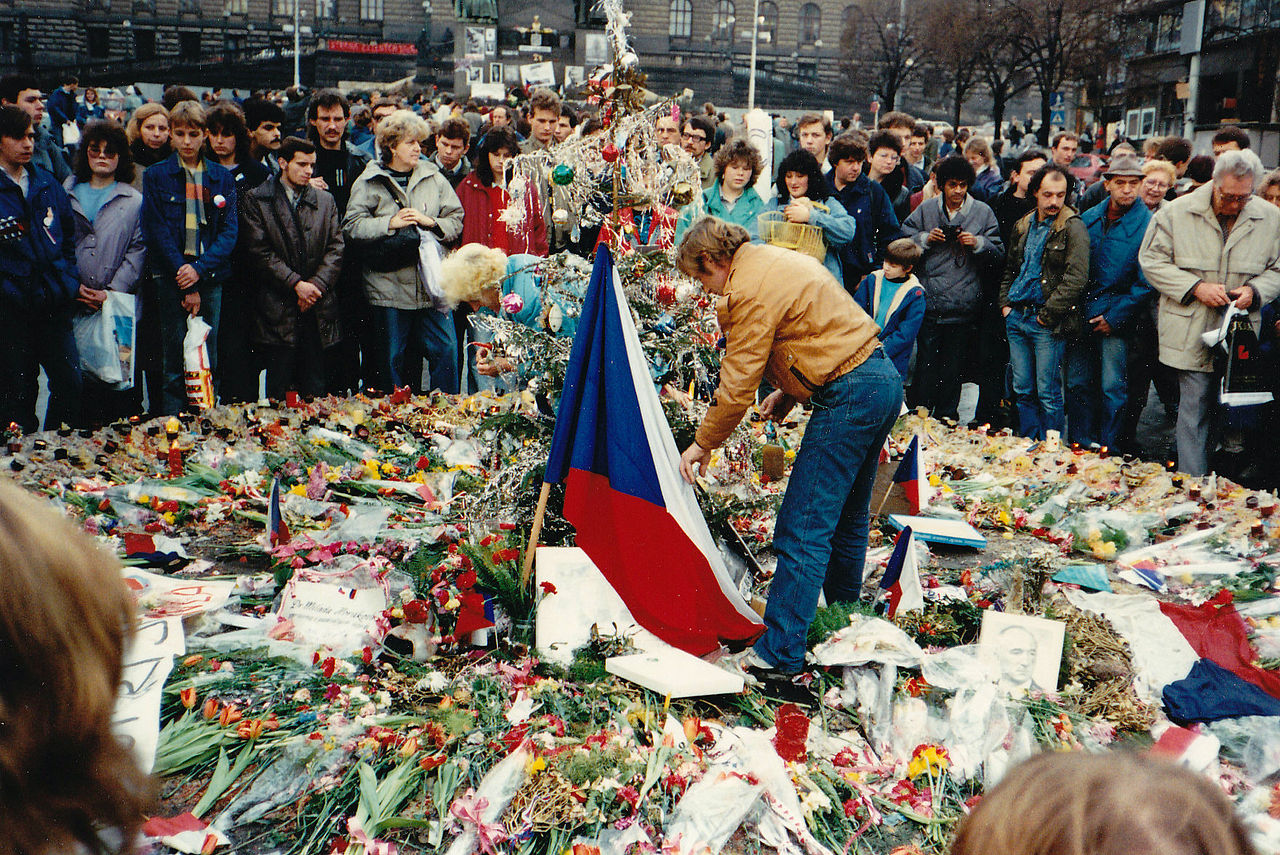
The Velvet Revolution was a largely non‑violent series of protests and political changes in Czechoslovakia that took place between 17 November and 29 December 1989. The movement ended the monopoly of the Communist Party and opened the way for democratic reform and economic transformation often described as democratization. Its popular name evokes the movement's peaceful character; in Czech it is known as sametová revoluce and in Slovak as nežná revolúcia.
Image gallery
10 Images




Historical background
The revolution was rooted in decades of political tension. In 1968 the liberalizing wave called the Prague Spring was halted by an invasion of Warsaw Pact forces led by the Soviet Union and its allies. The following period of "Normalization" in the 1970s reasserted strict party control, reintroduced official censorship, and marginalized earlier reformers. Throughout the 1970s and 1980s, dissenting cultural groups, religious communities and human rights activists maintained pressure for reform and kept alternative networks alive.
How the uprising unfolded
The immediate trigger was a student demonstration on 17 November 1989 that met with police action and public anger. Peaceful protests quickly widened to include workers, intellectuals and civic groups. New political platforms and civic movements negotiated with the authorities and coordinated mass demonstrations and strikes. Leaders from the dissident community—among them prominent playwrights and activists—helped channel public demands into concrete political change. By late December the Communist leadership had resigned, and on 29 December a leading dissident figure was chosen for the presidency as part of the transition to a pluralistic political system.
Key characteristics
- Non‑violence: The movement is notable for its largely peaceful tactics, symbolic of the "velvet" label.
- Broad social base: Students, workers, artists, clergy and intellectuals all participated.
- Negotiation and civic organization: New forums and roundtable talks helped convert street protest into institutional change.
- Rapid political turnover: The collapse of one‑party rule occurred within weeks rather than years.
Outcomes and legacy
The Velvet Revolution ended single‑party rule and began Czechoslovakia's transition toward democratic institutions, civil liberties and a market economy. That transition included legal and electoral reforms and opened the country to Western political and economic ties. The events also contributed to the wider collapse of Communist governments across the Eastern Bloc in 1989 and 1990. Compared with some neighbors—such as Poland and Hungary—Czechoslovakia had different economic and political trajectories before 1989, which shaped the character of its transition.
Notable facts and distinctions
The peaceful nature of the 1989 changes led commentators to contrast the revolution with more violent transitions elsewhere. The term "Velvet" later reappeared in descriptions of the peaceful split of the country into two states in 1993. The revolution remains a central reference point in public memory and is commemorated in civic ceremonies, academic studies and cultural works that examine how non‑violent civic pressure can produce rapid political change.
For further reading and archival resources, consult contemporary accounts, scholarly treatments and repositories of primary documents on the events of 1989 and their aftermath.
Related articles
Author
AlegsaOnline.com Velvet Revolution (Czechoslovakia, 1989) Leandro Alegsa
URL: https://en.alegsaonline.com/art/104511
Sources
- totalita.cz : "Občanské fórum: TOTALITA"