
Evacuation slide (aircraft emergency slide)
Inflatable slide used to evacuate aircraft quickly; designed to deploy from doors or overwing exits, sometimes doubling as life rafts and subject to regulatory requirements and regular maintenance.
Overview
An evacuation slide is a rapidly deployable inflatable device fitted to aircraft doors and overwing exits to help passengers and crew leave the aircraft quickly and safely in an emergency. Slides provide a controlled, low-friction path from the cabin to the ground or, in some designs, into the water. They are a standard safety feature on most commercial passenger aircraft when the door sill is high enough to make an unassisted step unsafe.
Image gallery
8 Images



Design and components
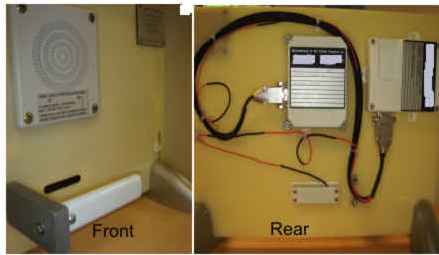
Slides are folded and stowed in a housing near the door and are connected to the door by a girt bar or attachment strap. They contain an internal inflation mechanism—commonly a pressurized gas supply or a rapid gas generator—that inflates the slide in seconds when activated. Typical components include the packed slide, an inflation valve, a retention housing, and a viewing or inspection panel. Some models include built-in canopies, boarding ramps, or dual lanes to increase throughput.
Operation and deployment
- Activation occurs when the door is opened in armed mode or when manual inflation is initiated.
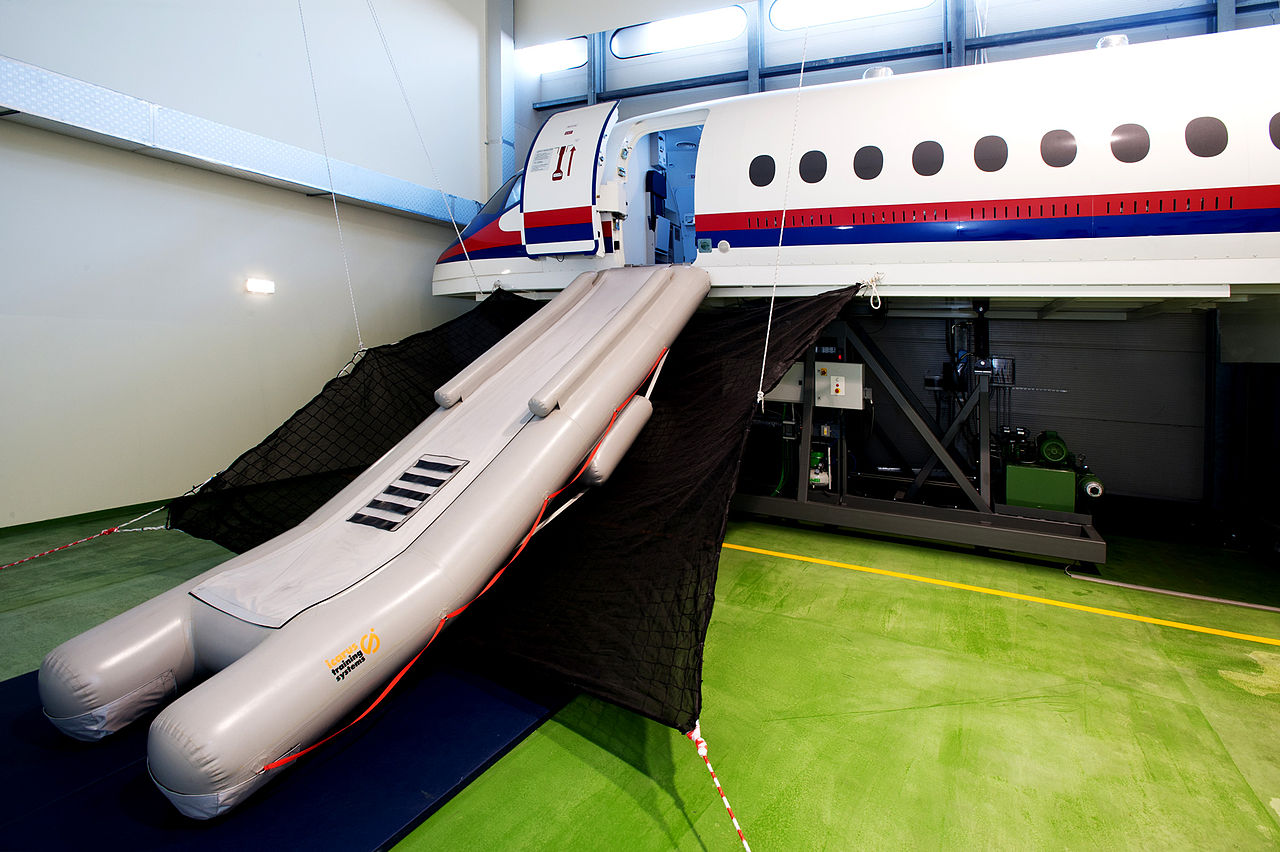
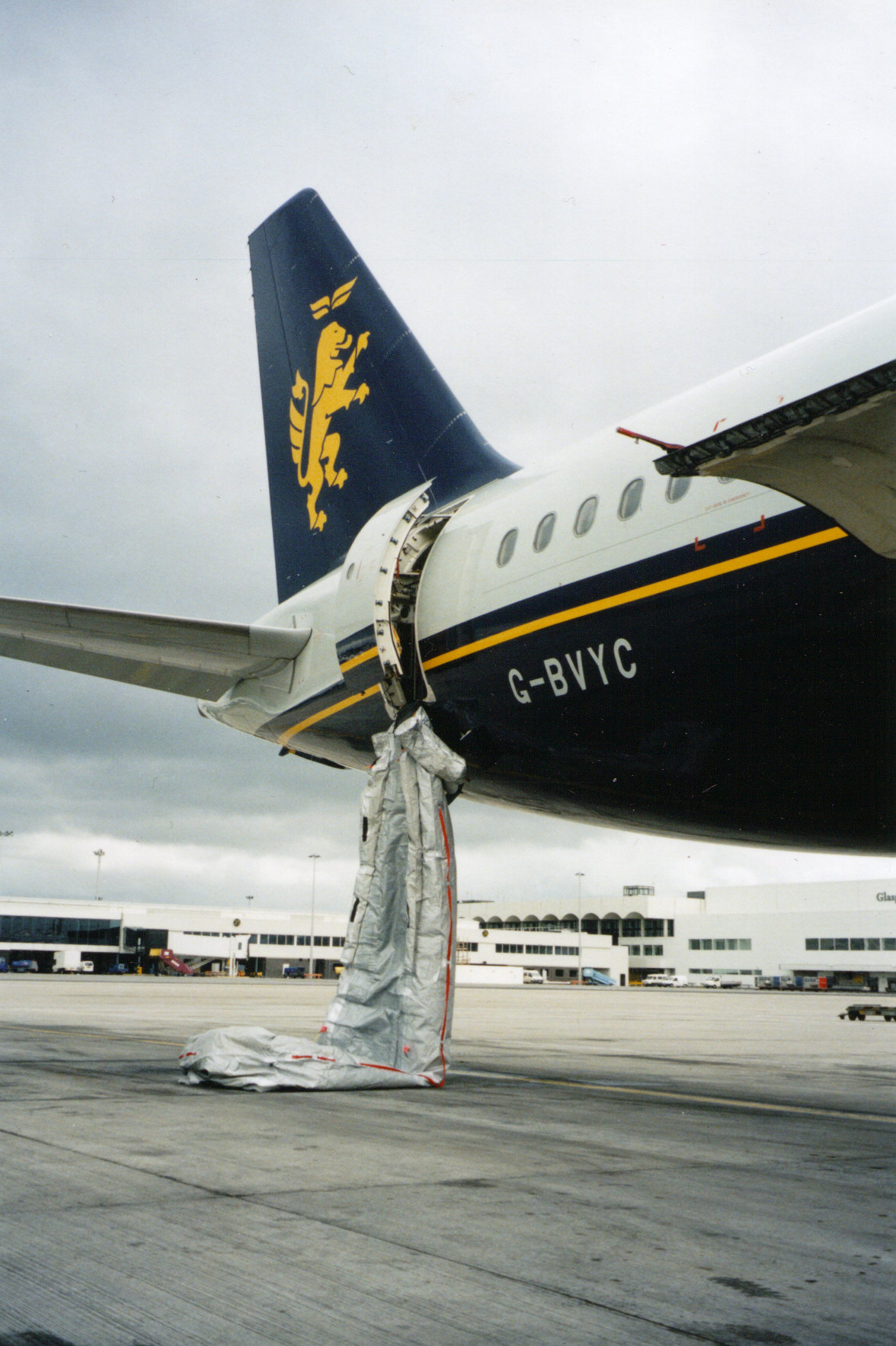
- The packed slide pulls out of its compartment and the inflation system expands the fabric to form a smooth chute.
- Passengers descend seated or standing, depending on airline procedures; crew direct traffic to maintain a steady flow.
Deployment time is measured in seconds; rapid and reliable inflation is essential to prevent bottlenecks during an evacuation. Overwing exits often use shorter, simpler slides, while main doors on large jets use larger single-lane or dual-lane slides.
History, regulation and maintenance
Evacuation slides evolved from early emergency aids and became widespread as jet transport increased cabin floor heights. Aviation regulators set certification standards and require slides where a door sill exceeds a safety threshold—commonly around six feet (1.8 m)—to reduce injury risk during normal egress. Airlines and manufacturers must follow inspection, maintenance, and servicing procedures to ensure reliability; regulators also require regular checks and functional tests.
Uses, advantages and limitations
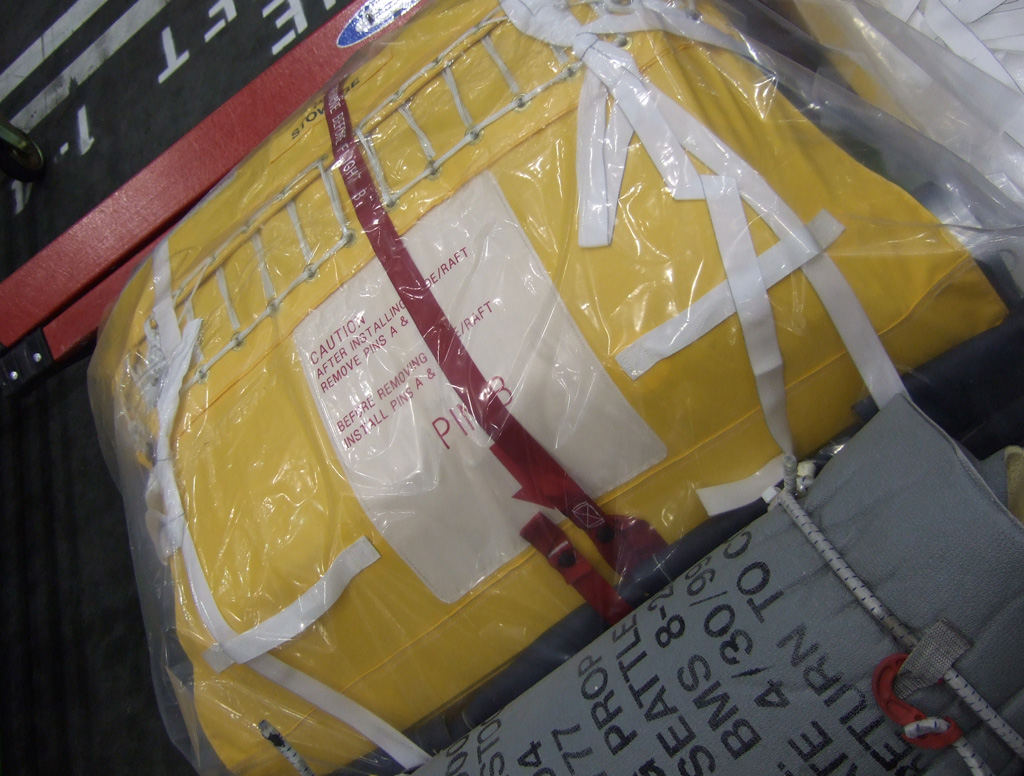
Slides are primarily intended for land evacuations but many are designed to function as life rafts in a ditching, with added buoyancy and securing features. Advantages include rapid deployment, simple operation by untrained passengers when directed, and the ability to bridge large vertical drops. Limitations include vulnerability to fire or tearing, reduced effectiveness on steep terrain, and dependency on correct arming and maintenance.
Notable distinctions and further reading
- Slide versus slide/raft: some slides are certified for flotation and include survival equipment.
- Overwing slides are shorter and may double as escape ropes or ramps.
- Regulatory threshold and testing requirements are published by aviation authorities; see Federal Aviation Administration regulations and manufacturer guidance for details.
For general information on aircraft emergency equipment and evacuation procedures, consult resources on aircraft evacuation and official guidance provided by carriers and regulators.
Related articles
Author
AlegsaOnline.com Evacuation slide (aircraft emergency slide) Leandro Alegsa
URL: https://en.alegsaonline.com/art/32707