
Canada goose (Branta canadensis)
Large wild goose native to North America, recognized by its black head, white cheek patches and brownish body; adaptable, migratory, and increasingly common in urban and introduced regions.
The Canada goose (Branta canadensis) is a widely recognized species of wild goose noted for a black head and neck, prominent white cheek patches, and a brownish-gray body. It includes several distinct populations and subspecies that vary in size and behavior. While many populations migrate seasonally, some have become year-round residents where food and open water are available.
Image gallery
10 Images



Description
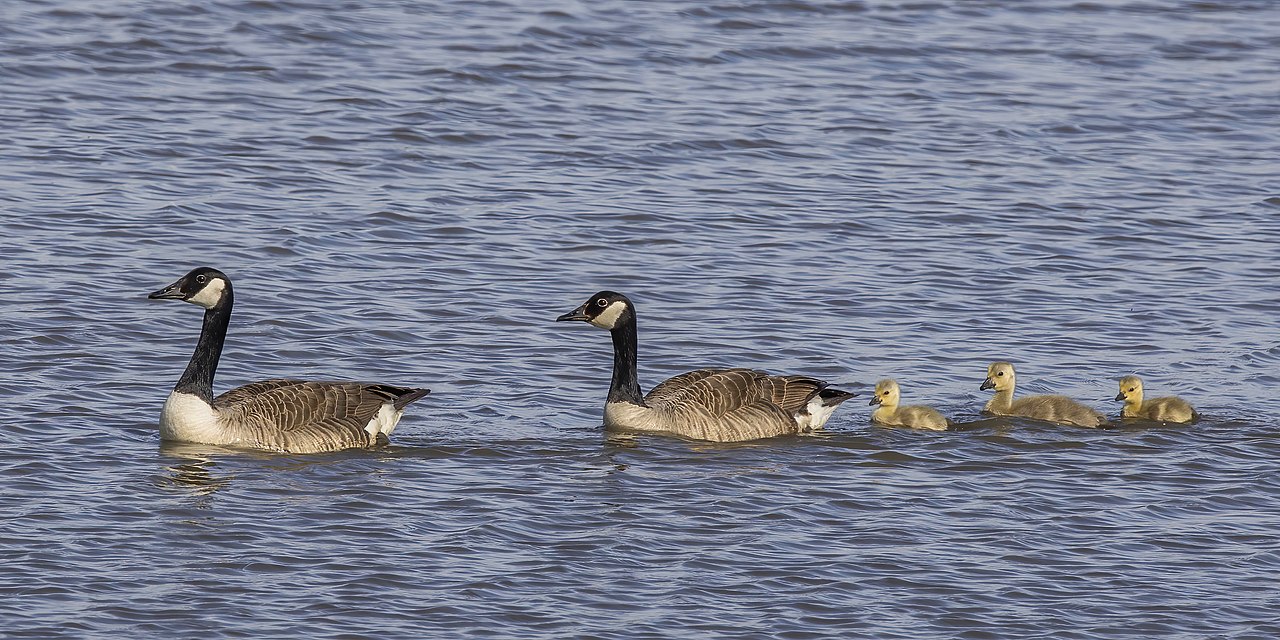
Adults are relatively large waterfowl with long necks and broad wings. Plumage is generally brown to gray on the body with paler underparts; the head and neck are black with a contrasting white facial patch. Males and females appear similar to casual observers, and young birds resemble adults but are usually duller for a time after fledging. In flight these geese often show powerful wingbeats and fly in characteristic V-shaped formations.
Range, subspecies and history
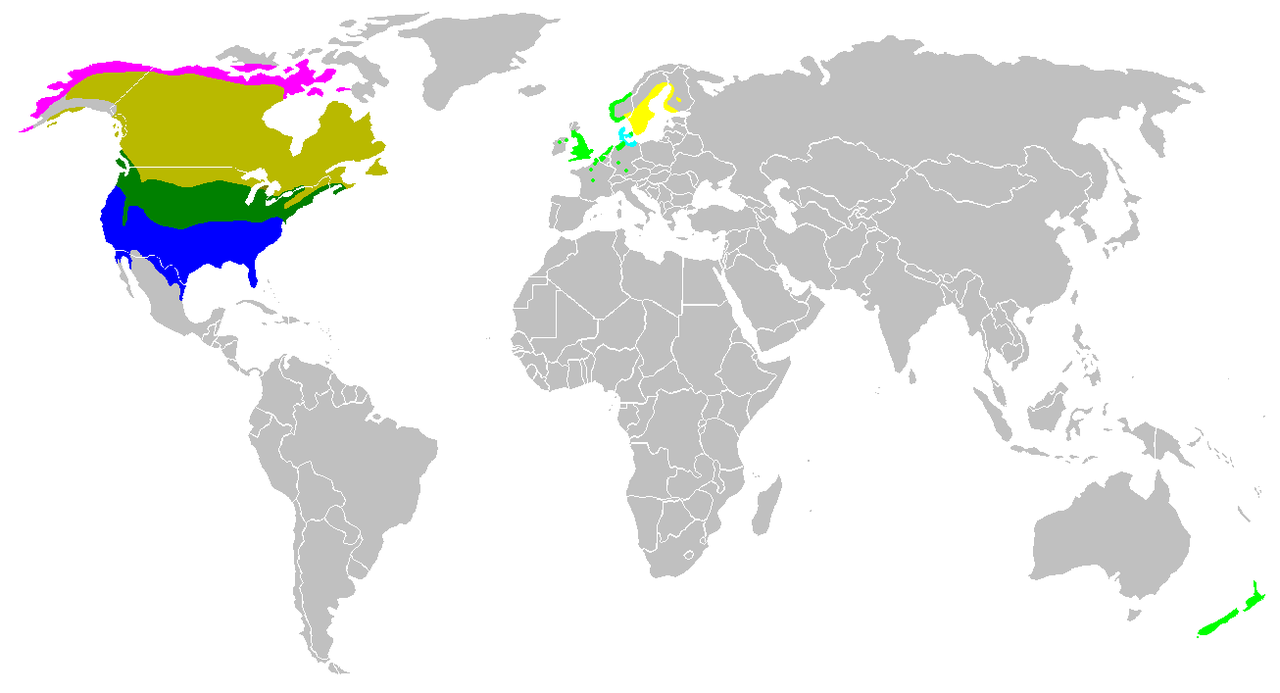
Canada geese are native to the Arctic and temperate regions of North America, from tundra nesting areas to southern wintering grounds. People have introduced them to other temperate areas, and small feral or established populations occur in parts of Europe and elsewhere. Taxonomists recognize a number of subspecies and closely related forms; some smaller taxa were split as separate species in recent decades, reflecting differences in size, vocalizations and migration routes.
Behavior and ecology
Canada geese are primarily herbivorous, grazing on grasses, grains and aquatic plants, but they are opportunistic and will feed on human-provided food in parks and agricultural fields. They nest on the ground, often near water, and form long-term pair bonds in many populations. Migration strategies differ: some flocks perform long seasonal migrations, while urban and suburban flocks may remain in one area year-round. Predation mostly affects eggs and goslings, while adult geese have few natural predators.
- Subspecies and relatives: several forms from large, heavy-bodied birds to smaller, cackling forms that were once treated as the same species.
- Reproduction: ground nests, clutches of eggs guarded by parents, goslings fed and led to water soon after hatching.
- Longevity: individuals can live many years in the wild or longer in captivity, though survival varies with local conditions.
Human–goose interactions are complex: conservation and legal protections helped populations recover from past declines, but concentrated flocks in cities, airports and agricultural lands can create conflicts. Management approaches include habitat modification, nonlethal egg control, regulated hunting where allowed, and public education to discourage feeding. Because of their size and numbers, Canada geese are notable contributors to wetland ecology and also raise practical considerations for coexistence in populated landscapes.
Related articles
Author
AlegsaOnline.com Canada goose (Branta canadensis) Leandro Alegsa
URL: https://en.alegsaonline.com/art/16436