
German Unification in the 19th Century: From Fragmented States to the 1871 Empire
Overview of 19th-century German unification: cultural, economic and military forces, Prussia–Austria rivalry, wars of the 1860s and the 1871 proclamation of the German Empire at Versailles
The unification of Germany was a process in the 19th century that transformed a patchwork of independent principalities, duchies, kingdoms and free cities into a single state. Before unification, the German-speaking lands consisted of many small polities with separate governments, laws and customs. Over decades a mixture of cultural nationalism, economic integration and diplomatic and military actions brought these territories together into the modern German state.
Image gallery
10 Images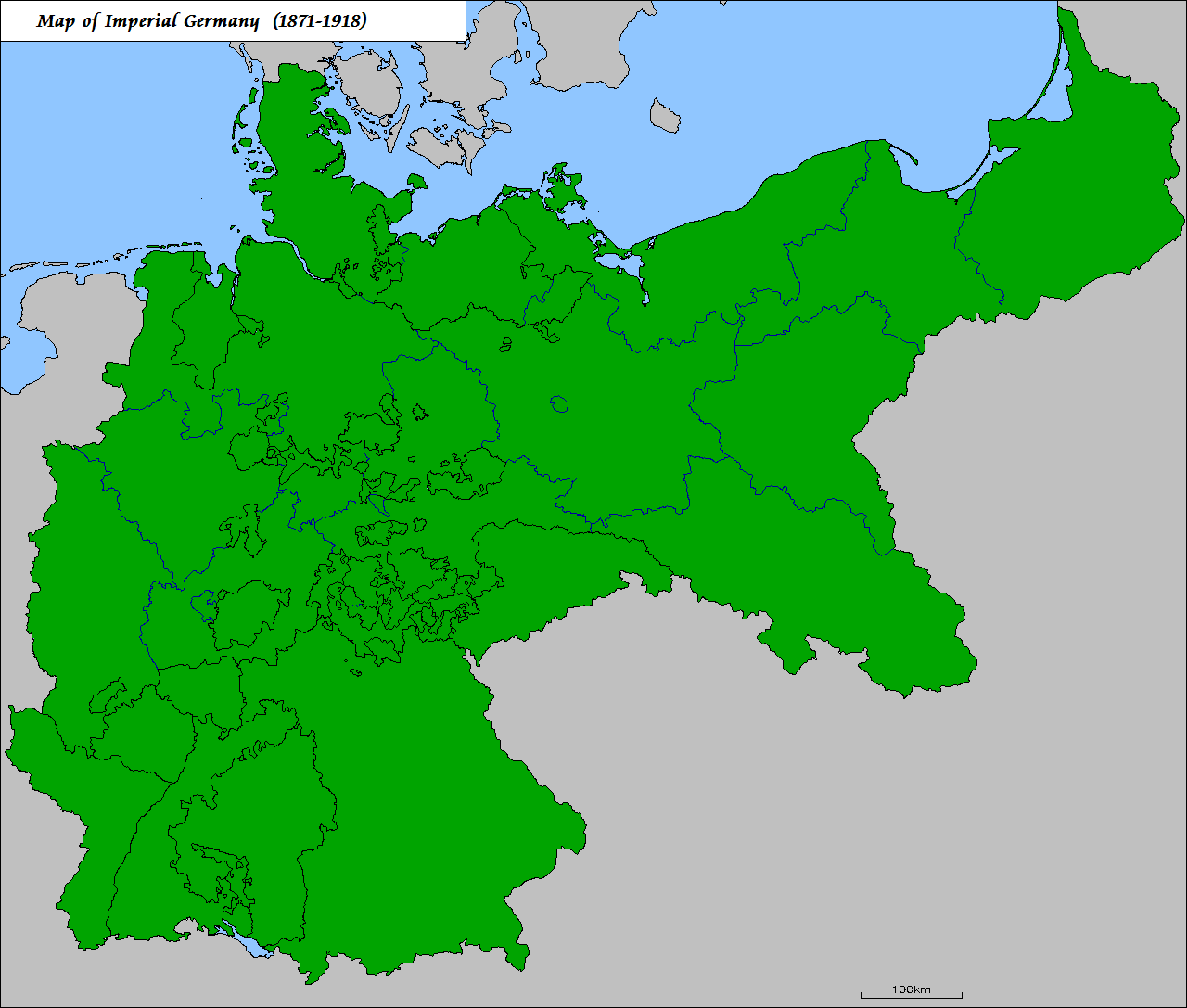


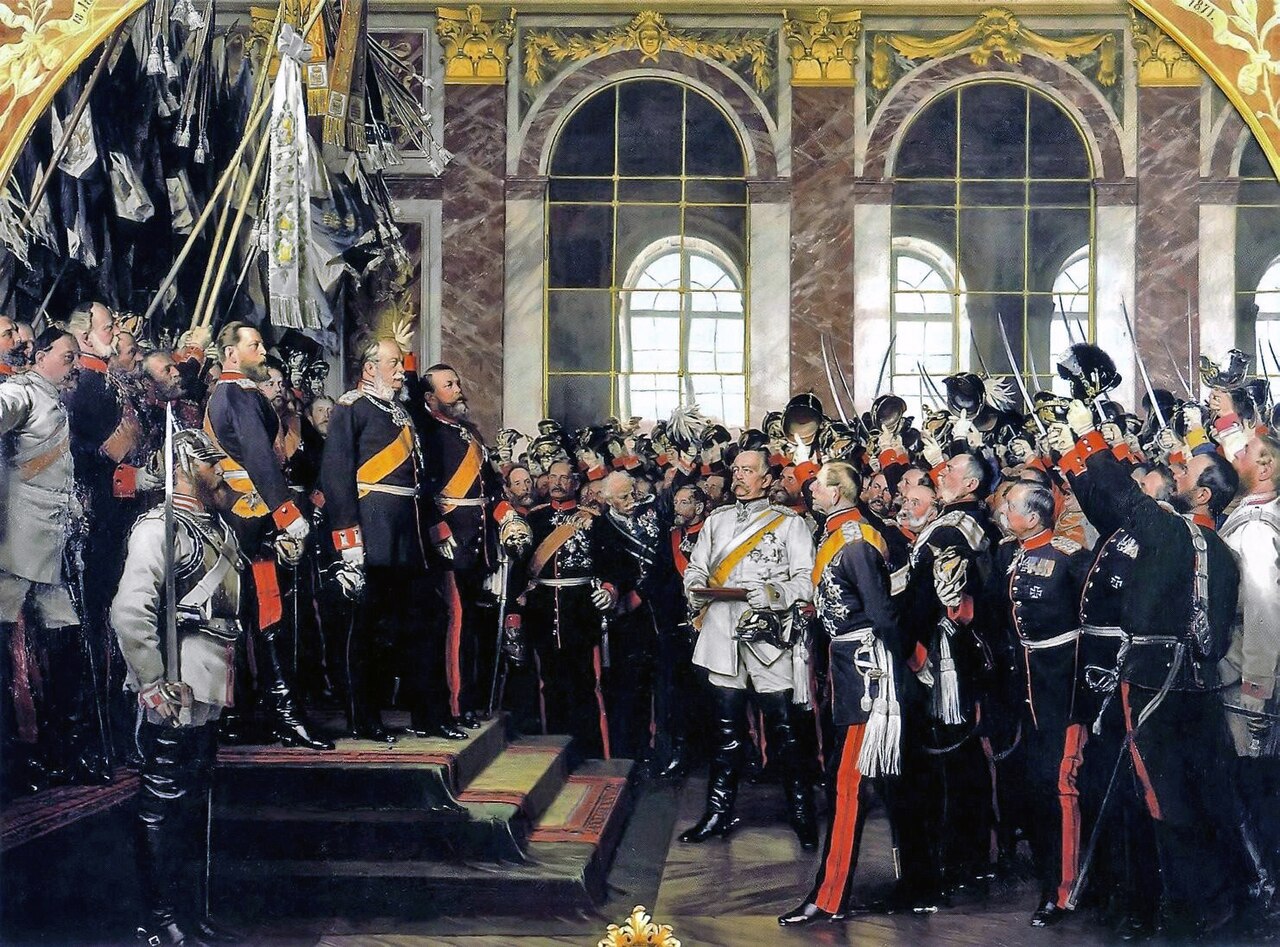
Key moment: proclamation of the Empire
The formal creation of a unified German state took place on January 18, 1871. After victory in the Franco-Prussian War, the rulers of the German states met at the Palace of Versailles in France and proclaimed the founding of the German Empire in the Hall of Mirrors. The King of Prussia became Emperor, and Otto von Bismarck, who had served as the leading minister of Prussia, became Chancellor of the new empire.
Long-term background: the Napoleonic era and its aftermath
The process of consolidation had deep roots in the upheavals of the early 19th century. The Napoleonic Wars disrupted the old imperial order in Central Europe. At the decisive Battle of Leipzig in 1813—also called the Battle of Nations—many German states and their allies, including Russia, Sweden and Austria, participated in defeating Napoleon's forces. The Congress of Vienna in 1815, which reorganized Europe after Napoleon's defeat, restored many conservative rulers but also left a fragmented mosaic of German states; the Congress of Vienna is a central reference for that reordering.
Political and economic forces
Several developments during the mid-19th century encouraged unity. Economic ties—most notably through customs unions and growing trade—helped knit states closer together. At the same time, intellectual and cultural movements promoted a sense of a common German identity. In realpolitik terms, leaders in the larger states sought to increase their influence over the smaller ones; rivalry, particularly between Austria and Prussia, shaped alliances and conflicts that ultimately reduced the number of independent German governments.
Steps toward unity
- Diplomacy and statecraft: Leading states and politicians negotiated a sequence of arrangements that expanded influence without immediately creating a single state.
- Military conflict: A series of wars in the 1860s and 1870s settled rivalries and rearranged political authority among German-speaking states, culminating in the defeat of France in 1870–71.
- Proclamation and consolidation: After the declaration in Versailles, the new imperial constitution and institutions gradually brought legal and administrative coherence to the former patchwork of territories.
Obstacles and debates
Unifying Germany raised difficult questions. Some rulers and political groups opposed centralization because it threatened regional autonomy or their own power. Others worried that a unified Germany would concentrate too much authority in the hands of a few large states. Practical issues—such as how to collect taxes, how to integrate different legal systems and how to balance the powers of the monarchy, the government and representative bodies—required negotiation and compromise over many years.
Aftermath and historical significance
The 1871 proclamation established a powerful new state in Europe and altered the balance of power on the continent. The German Empire quickly became a leading economic and military force. Historians see the unification as the result of both popular currents (language, culture and national sentiment) and deliberate state action (diplomacy, economic policy and wars led by influential figures).
Questions and answers
Q: What was the event that led to the unification of Germany?
A: The event that led to the unification of Germany was the Franco-Prussian War.
Q: When did German Unification take place?
A: German Unification took place on January 18, 1871.
Q: Who proclaimed the German nation in Versailles, France?
A: The German princes proclaimed the German nation in Versailles, France.
Q: What battle is also known as the Battle of Nations?
A: The Battle of Leipzig in 1813 is also known as the Battle of Nations.
Q: What ended Napoleon's wars and left Austria as a powerful state?
A: The Congress of Vienna ended Napoleon's wars and left Austria as a powerful state.
Q: What were some problems with unifying Germany?
A: Some problems with unifying Germany included politicians not wanting unification due to fears it would give Austria and Prussia too much power among other states, and deciding who would collect taxes and how much should be paid.
Related articles
Author
AlegsaOnline.com German Unification in the 19th Century: From Fragmented States to the 1871 Empire Leandro Alegsa
URL: https://en.alegsaonline.com/art/102859
Sources
- bbc.co.uk : "BBC - History - Charlemagne"