
Union between Sweden and Norway (1814–1905)
A concise overview of the personal union between Sweden and Norway from 1814 to 1905: structure, origins, institutions, tensions and peaceful dissolution.
Overview
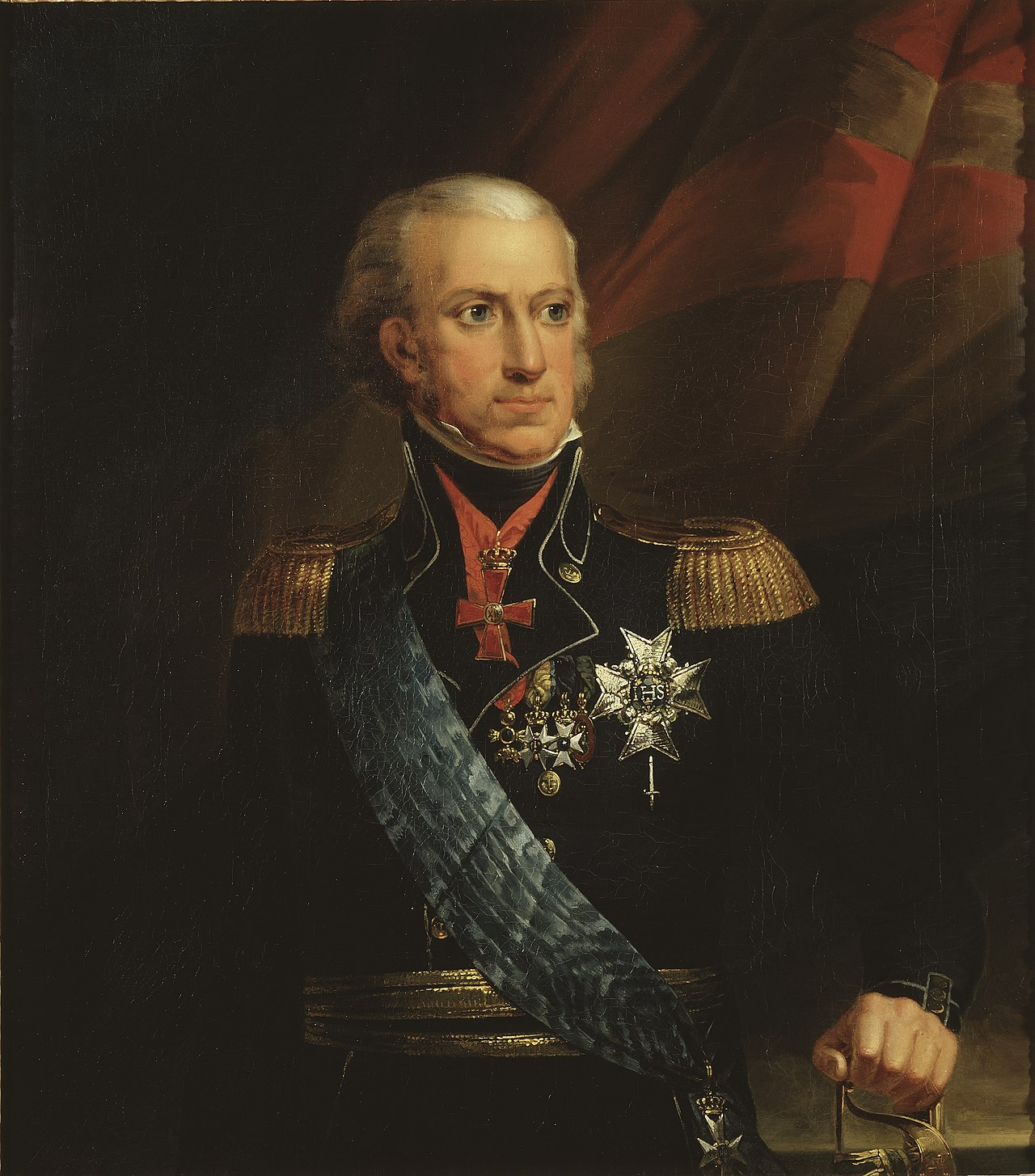
The Union of Sweden and Norway was a personal union that existed from 1814 until 1905. It brought together two distinct Scandinavian states—the Kingdom of Sweden and the Kingdom of Norway—under a common monarch while preserving most of their domestic institutions. The arrangement is sometimes referred to in Swedish as Svensk-norska unionen and in Norwegian as Den svensk-norske union.
Image gallery
10 Images




How the union functioned
Unlike a merged state, the union consisted of two legally separate kingdoms that kept their own constitutions, laws, parliaments, government administrations, state churches, armed forces and currencies. The monarch, shared by both crowns, played a central role in foreign relations and diplomatic affairs. In practice the kings generally resided in Stockholm, where many foreign legations and embassies were based, which helped shape the union's external policy.
Origins and early years
The union arose in the aftermath of the Napoleonic Wars, when European diplomacy reshaped borders and dynastic ties. Norway had previously been linked to Denmark; in 1814 it asserted a constitution and a national assembly, then entered into agreement to remain united with Sweden under a common sovereign. The resulting arrangement aimed to reconcile Norwegian demands for autonomy with Swedish strategic and dynastic interests.
Distinct institutions and daily life
- Separate legislatures: each kingdom maintained its own parliamentary procedures and legal codes.
- Domestic administration: ministries and public services were primarily national rather than shared.
- Culture and identity: language, law and church traditions continued to develop along independent lines in each country.
Tensions and the route to dissolution
Although fundamentally peaceful, the union contained persistent sources of friction. A central issue concerned foreign representation and consular services: Norwegians sought greater control over their own diplomatic and commercial interests, while Swedish authorities emphasised a common external policy. Over decades these disagreements, together with rising nationalism and parliamentary reforms, produced growing political pressure for change.
End and legacy
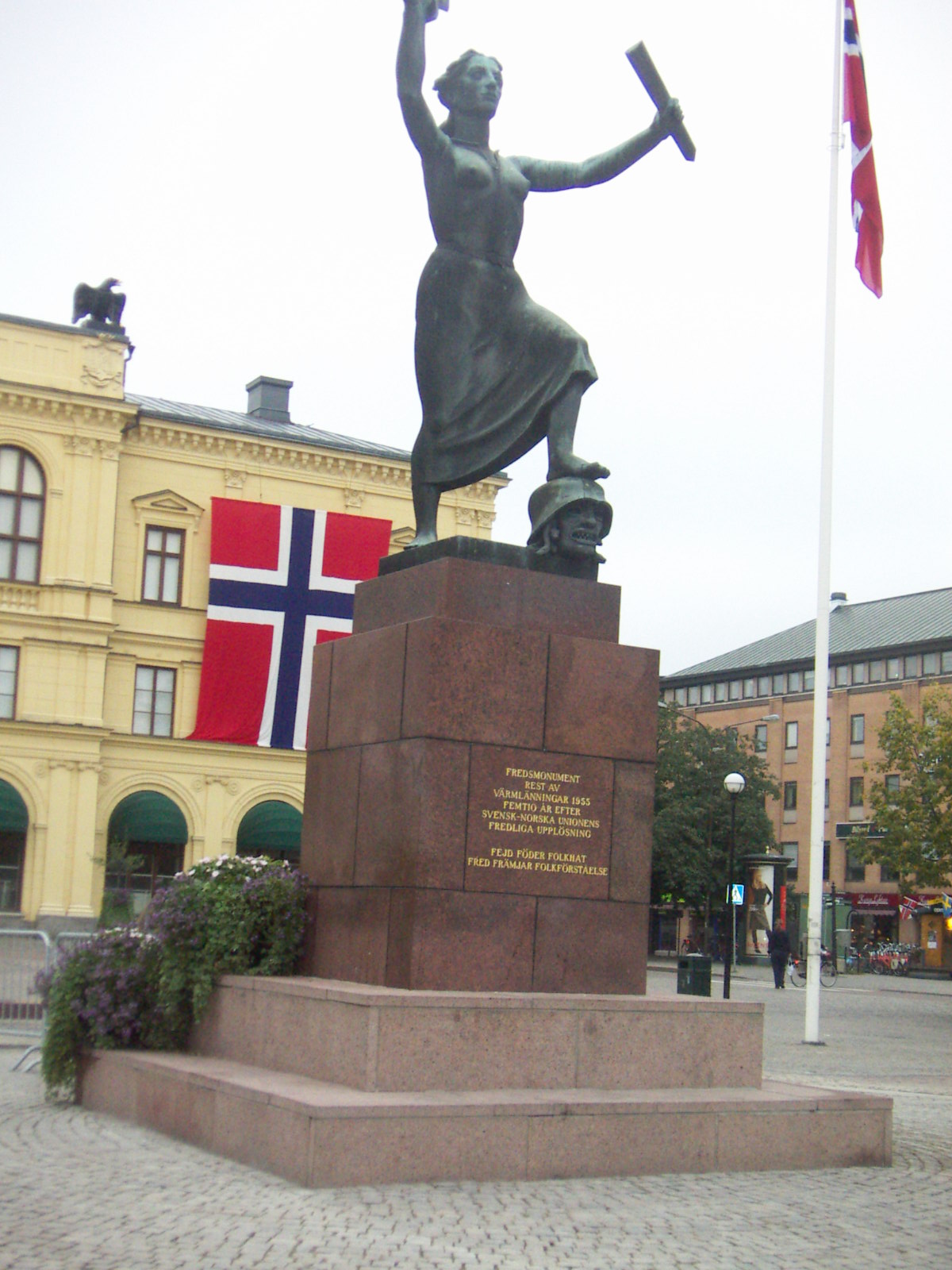
The union was dissolved in 1905 through negotiation rather than large-scale conflict. Norway moved to terminate the personal union and establish fully independent foreign representation; Sweden eventually recognised Norwegian independence. The separation is notable for its largely peaceful character and for how it shaped the modern, sovereign states of Sweden and Norway. The period of union left enduring influences on constitutional practice, national identity and bilateral relations that continue to be studied by historians and legal scholars.
Questions and answers
Q: What is the Union of Sweden and Norway?
A: The Union of Sweden and Norway was a personal union that consisted of the separate kingdoms of Sweden and Norway under the same monarch.
Q: How long did the Union of Sweden and Norway last?
A: The Union of Sweden and Norway lasted from 1814 to 1905.
Q: What happened in 1905 regarding the Union of Sweden and Norway?
A: In 1905 Sweden accepted Norway leaving the union.
Q: What did both states keep after the Union of Sweden and Norway was established?
A: Both states kept their separate constitutions, laws, legislatures, administrations, state churches, armed forces, and currencies.
Q: Where did the kings mostly reside during the Union of Sweden and Norway?
A: The kings mostly resided in Stockholm.
Q: Where were foreign diplomatic representations located during the Union of Sweden and Norway?
A: Foreign diplomatic representations were located in Stockholm.
Q: What was the official name of the Union of Sweden and Norway?
A: The official name of the Union of Sweden and Norway was the United Kingdoms of Sweden and Norway.
Related articles
Author
AlegsaOnline.com Union between Sweden and Norway (1814–1905) Leandro Alegsa
URL: https://en.alegsaonline.com/art/102907
Sources
- tacitus.nu : Tacitus.no - Skandinaviens befolkning (in Swedish)
- ssb.no : SSB - 100 års ensomhet? Norge og Sverige 1905–2005 (in Norwegian)
- worldstatesmen.org : "Sweden"
- worldstatesmen.org : "Norway"