
United Empire Loyalists: refugees of the American Revolution and their legacy
People in the 13 colonies who remained loyal to Britain during the American Revolution, many of whom migrated to British North America and influenced the development of Canada and other colonies.
Overview
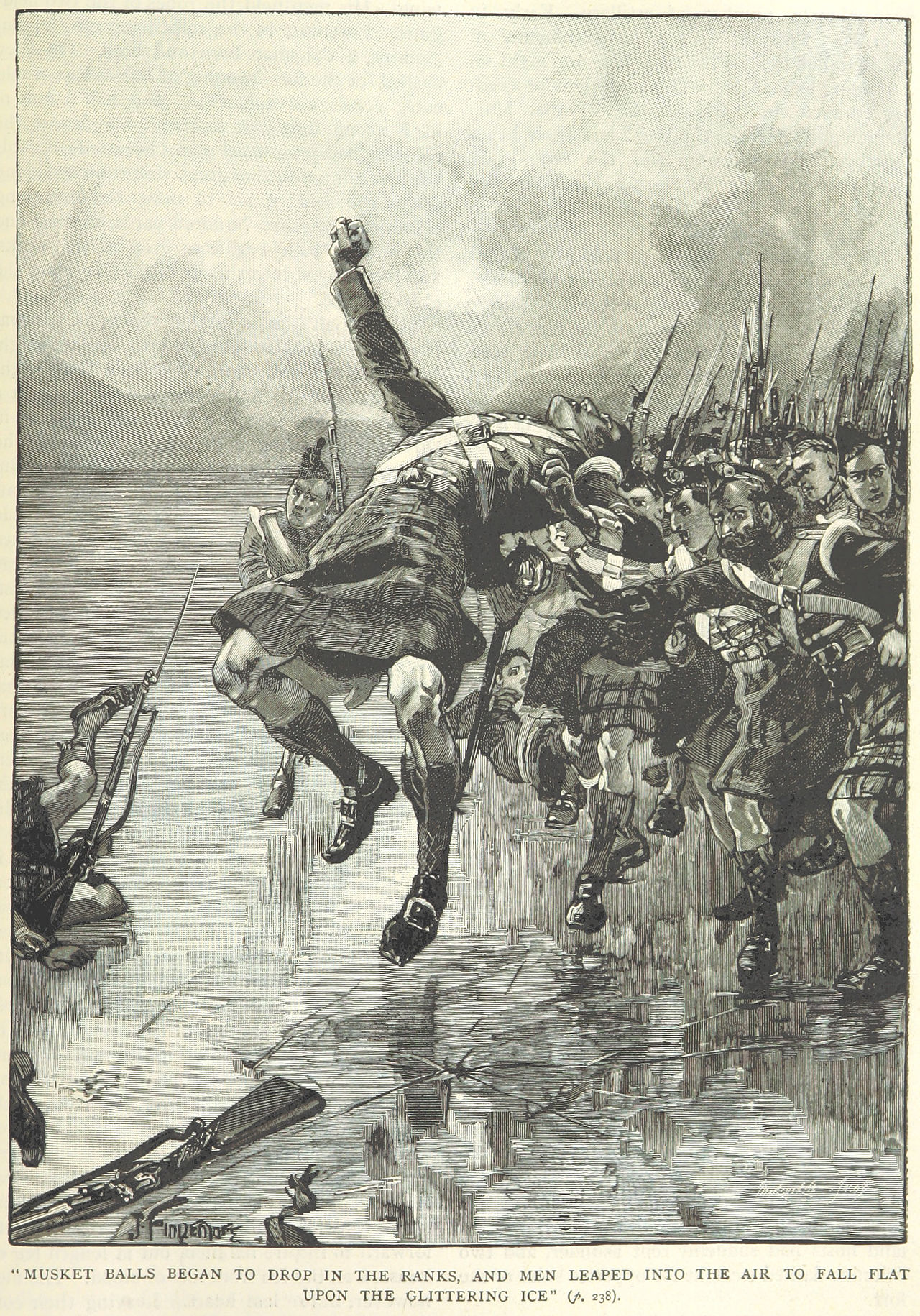
The term United Empire Loyalists refers to residents of the Thirteen Colonies who, during the American Revolution (1775–1783), remained loyal to the British Crown and opposed independence. Many Loyalists were civilians, soldiers, public officials, clergy and Indigenous allies who rejected the revolutionary cause and its leaders. After hostilities intensified they faced social ostracism, legal penalties and, in many cases, violence or confiscation of property. Large numbers left the new United States for lands that remained under British rule.
Image gallery
10 Images



Origins, motives and composition
Loyalists came from a wide range of backgrounds and motivations. Some were recent immigrants who still felt ties to Britain; others were colonial officeholders, merchants whose trade depended on the imperial system, or religious leaders who feared the social consequences of rebellion. Enslaved and free Black people who accepted British offers of freedom are a notable component often called Black Loyalists. Indigenous nations allied with Britain to protect their territories. Those who took up arms or aided the Crown were sometimes described as "Tories" by revolutionaries.
Persecution, confiscation and legal status
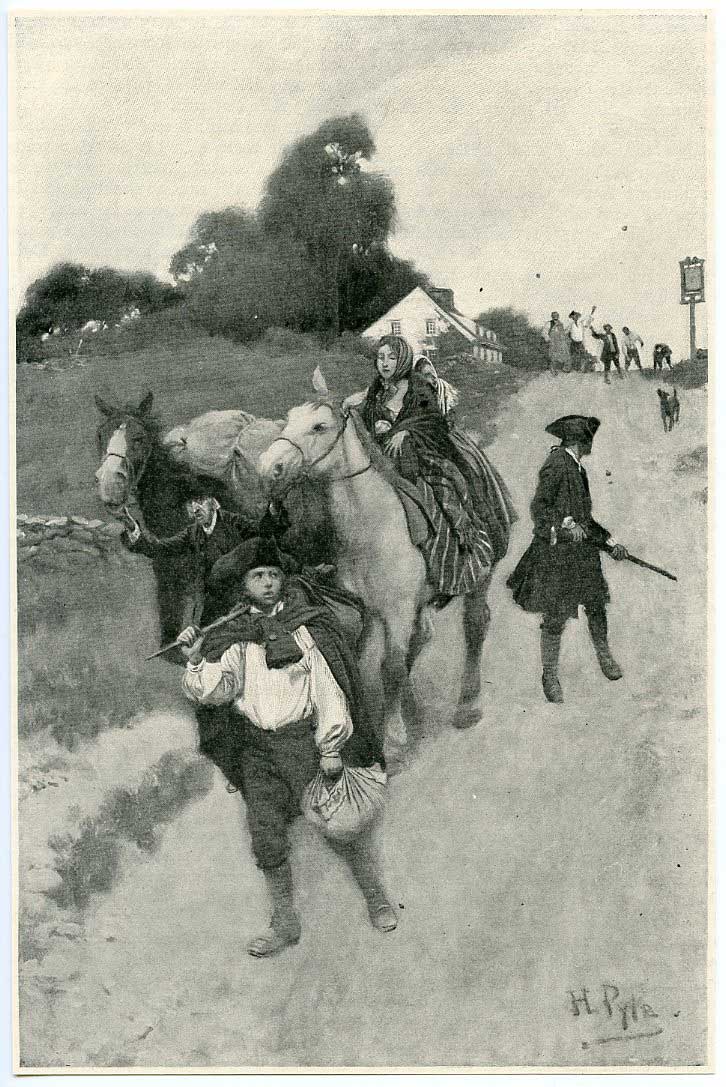
In many Revolutionary states, outspoken Loyalists were subject to arrest, bills of attainder, and property seizure. Revolutionary governments and local committees sometimes declared individuals outlaws or passed laws for confiscation of Loyalist estates. Support for the Crown—whether by joining militias loyal to Britain or by public declarations—could result in exile. The British government regarded these refugees as subjects displaced in service of the empire and organized evacuation and resettlement programs.
Migration and settlement
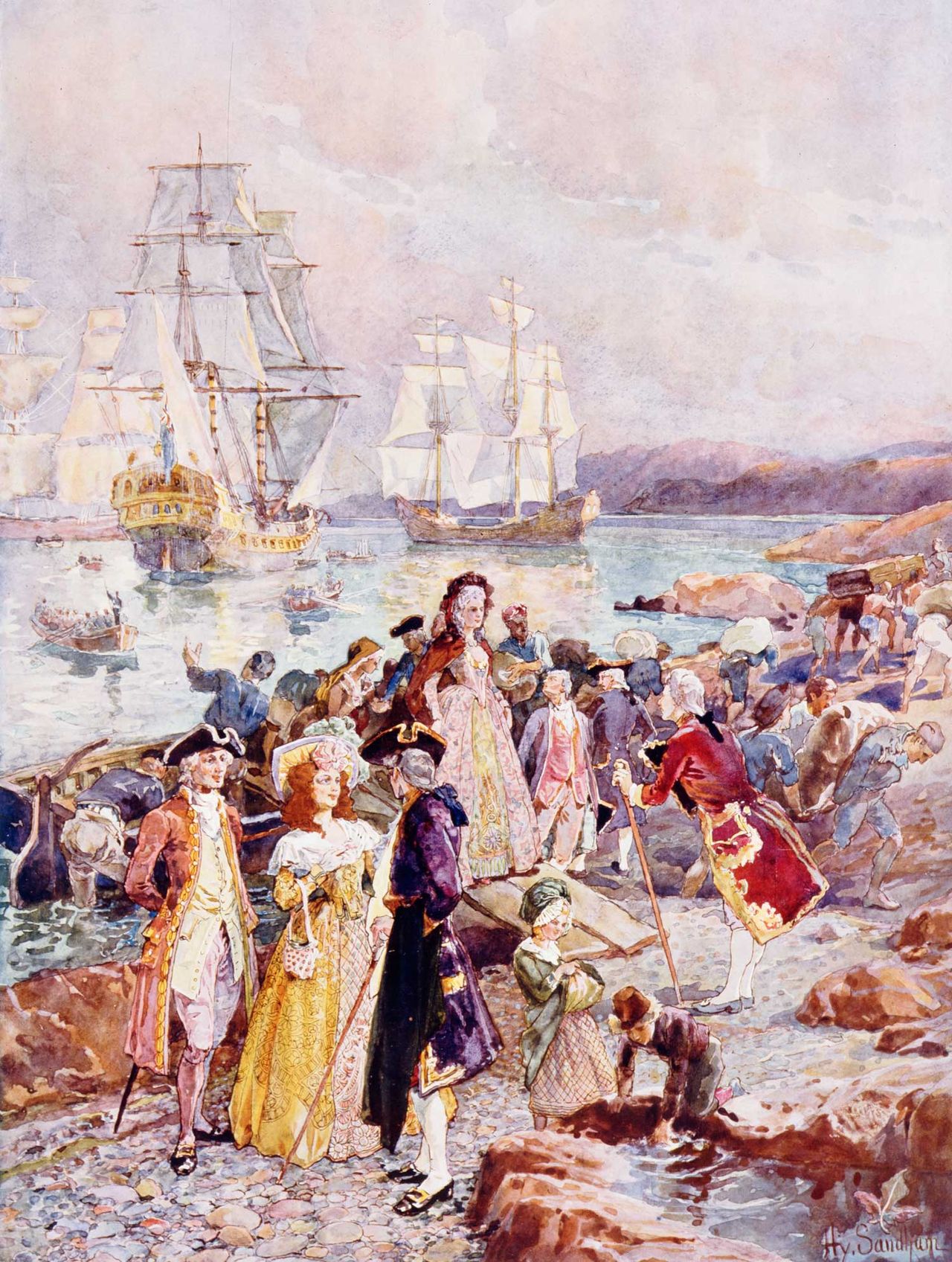
Many Loyalists enlisted British help to relocate to remaining imperial territories. A substantial number moved to British North America, especially to areas that later became Ontario, New Brunswick and Nova Scotia; others went to the Caribbean or to Britain itself. Estimates suggest tens of thousands departed the United States. The Crown awarded land grants, provisions and occasionally pensions to resettle veterans and refugees, reshaping demographic patterns and land distribution in their destinations.
Impact and legacy
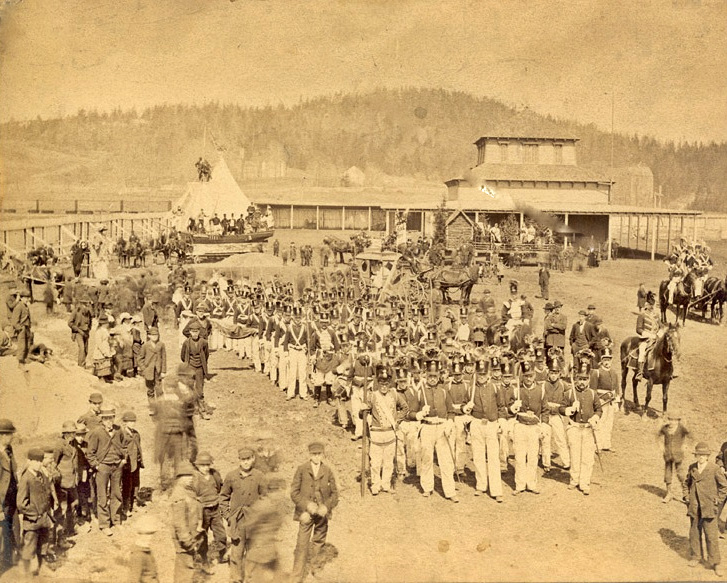
The arrival of Loyalists had lasting effects on colonial society and politics. They helped establish English-speaking communities in what would become Canada, contributed to local economies, and influenced constitutional development by pressing for legal protections and institutions that differed from republican models. Many descendants preserve a distinct identity; in Canada the honorific "United Empire Loyalist" became part of commemorative practices and lineage societies that trace ancestors to the refugees.
Notable distinctions and aftermath
- Groups: Loyalist emigrants included civilians, military units, subjects of the British Empire from different classes, and Indigenous allies.
- Black Loyalists: Some formerly enslaved people who joined British lines gained freedom and resettled in the Maritimes; others later migrated to places such as Canada or abroad.
- Commemoration and controversy: The Loyalist experience is part of competing national narratives about the American Revolution and the formation of Canada. Organizations and historical studies continue to examine their role in shaping North American societies.
Scholars continue to refine estimates and to document regional differences in Loyalist identities and outcomes. For introductions and archival resources see general reference sites and collections associated with imperial wartime migration and refugee policy (British government records, regimental histories and local archives available through national repositories and local historical societies) and genealogical sources (property records, muster rolls and land petitions). For overviews and primary documents consult spelled-out archival guides and curated online collections (military lists, petitions and Loyalist claims) and national historic sites and museums (regional portals, research bibliographies and curated exhibits).
Related articles
Author
AlegsaOnline.com United Empire Loyalists: refugees of the American Revolution and their legacy Leandro Alegsa
URL: https://en.alegsaonline.com/art/102955