
Upper Canada (1791–1841): Origins, institutions, and legacy
Former British colony on the Great Lakes and St. Lawrence headwaters that evolved into modern Ontario; created 1791, merged into Province of Canada 1841, influential in Canadian political development.
Upper Canada was the name used by the British government for the colony roughly corresponding to present-day Ontario from 1791 until 1841. Established to provide British civil law, institutions and land policy for English-speaking settlers, it occupied the upper reaches of the St. Lawrence–Great Lakes watershed and served as a distinct political unit within British North America.
Image gallery
10 Images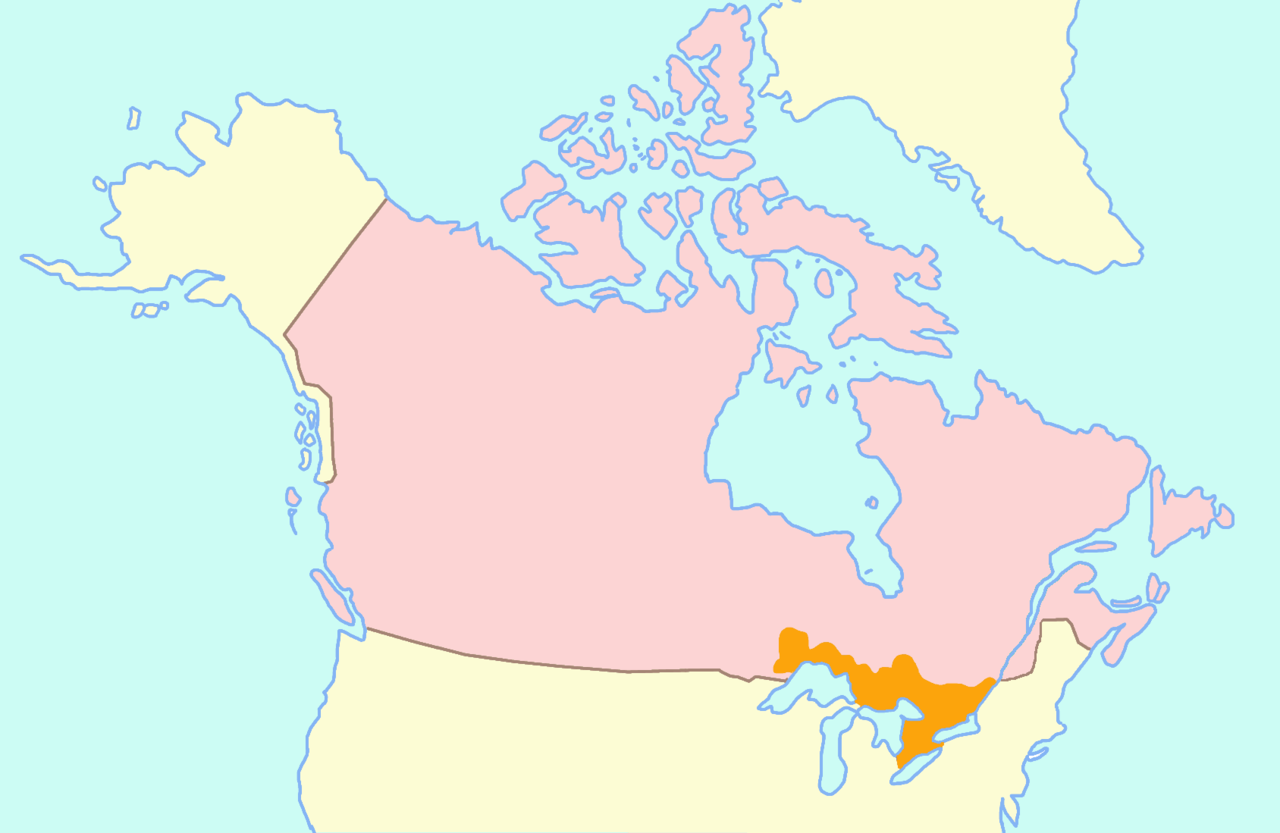



Geography and name
The term "Upper" referred to its upstream position on the St. Lawrence River, inland and at higher elevation than "Lower Canada" (modern Quebec). Its territory included lakefronts on Ontario, Erie and Huron and an agricultural interior divided by rivers and early transportation routes. Key early settlements included Newark (later Niagara), York (later Toronto) and Kingston as regional centres.
Government, law and society
Created by the Constitutional Act of 1791, Upper Canada had a lieutenant governor, appointed executive and an elected Legislative Assembly. English common law and land grant systems were introduced to serve Loyalist refugees and later immigrants. Political power often concentrated among an influential conservative elite known as the Family Compact, while a growing Reform movement pushed for responsible government and broader rights.
History and significance
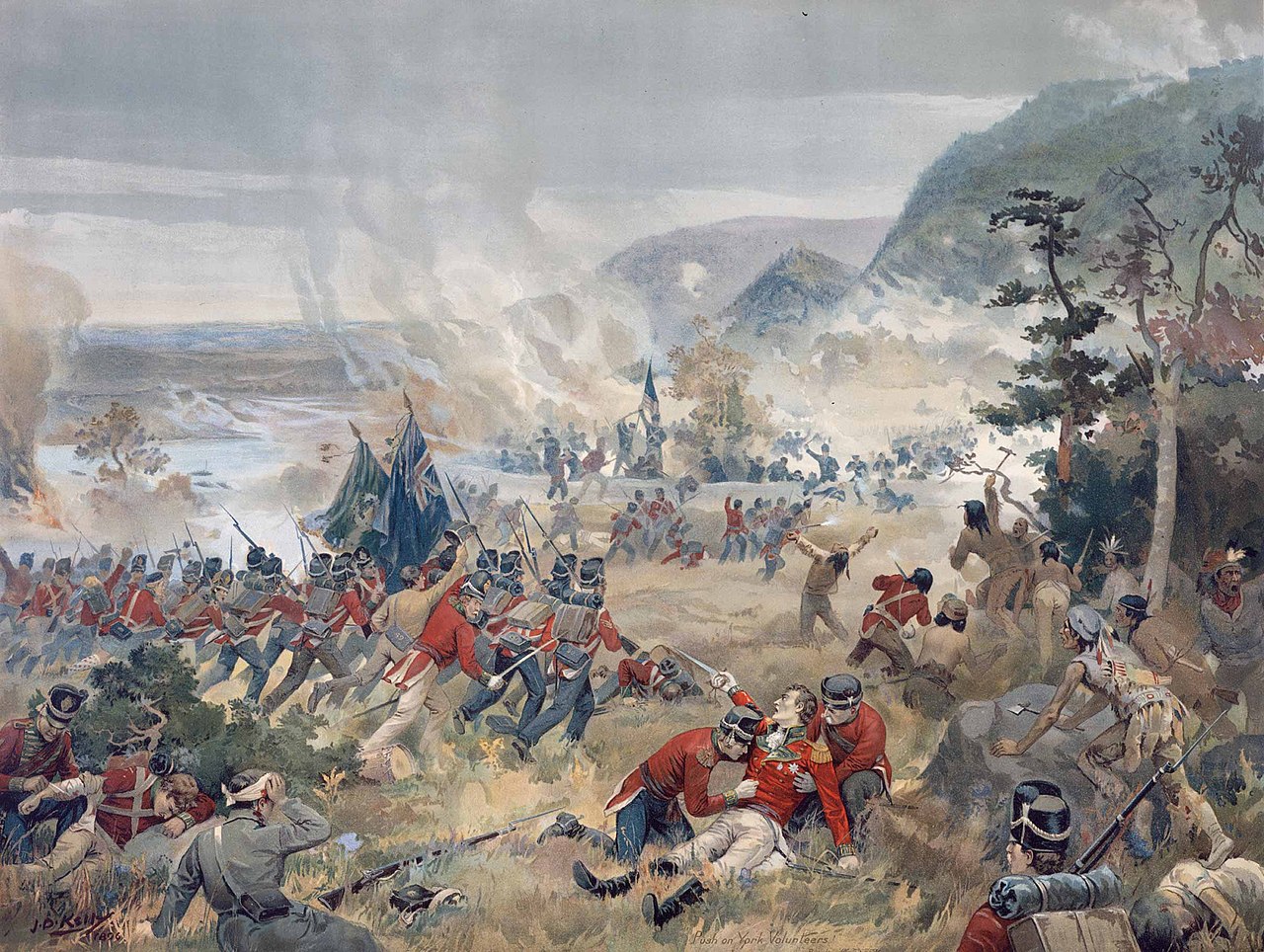
Upper Canada played a central role in several formative events: settlement by United Empire Loyalists after the American Revolution, frontier conflicts and the War of 1812, and political unrest culminating in the Rebellions of 1837–1838. Following a British government review, the Act of Union 1840 merged Upper and Lower Canada into the Province of Canada in 1841. The institutions, population patterns and legal traditions of Upper Canada were foundational to the later province of Ontario at Confederation in 1867.
Legacy and notable facts
- Its legal and land systems established English common law and property patterns still influential in Ontario.
- Settler demographics combined Loyalists, British immigrants and later arrivals from other regions, shaping anglophone culture.
- Political controversies there accelerated constitutional reforms that led toward responsible government in British North America.
Together, these elements make Upper Canada a key subject for understanding the early political, legal and social development of what became modern Ontario and Canada as a whole.
Related articles
Author
AlegsaOnline.com Upper Canada (1791–1841): Origins, institutions, and legacy Leandro Alegsa
URL: https://en.alegsaonline.com/art/103480