
Otto von Bismarck — Prussian statesman and architect of German unification
Prussian statesman Otto von Bismarck (1815–1898) forged German unification, served as the first chancellor of the German Empire, practiced Realpolitik and introduced social and diplomatic policies that shaped modern Europe.
Overview
Prince Otto Eduard Leopold von Bismarck-Schönhausen (1815–1898) was a leading conservative statesman whose actions in the mid‑ to late‑19th century reordered the map of central Europe. Born to a landed Prussian family, he combined aristocratic background with political acumen to rise to the top of Prussian government. As a prominent aristocrat operating during the 19th century, Bismarck became the central figure in efforts to consolidate many independent European territories into a unified national state.
Image gallery
10 Images




Political career and the creation of Germany
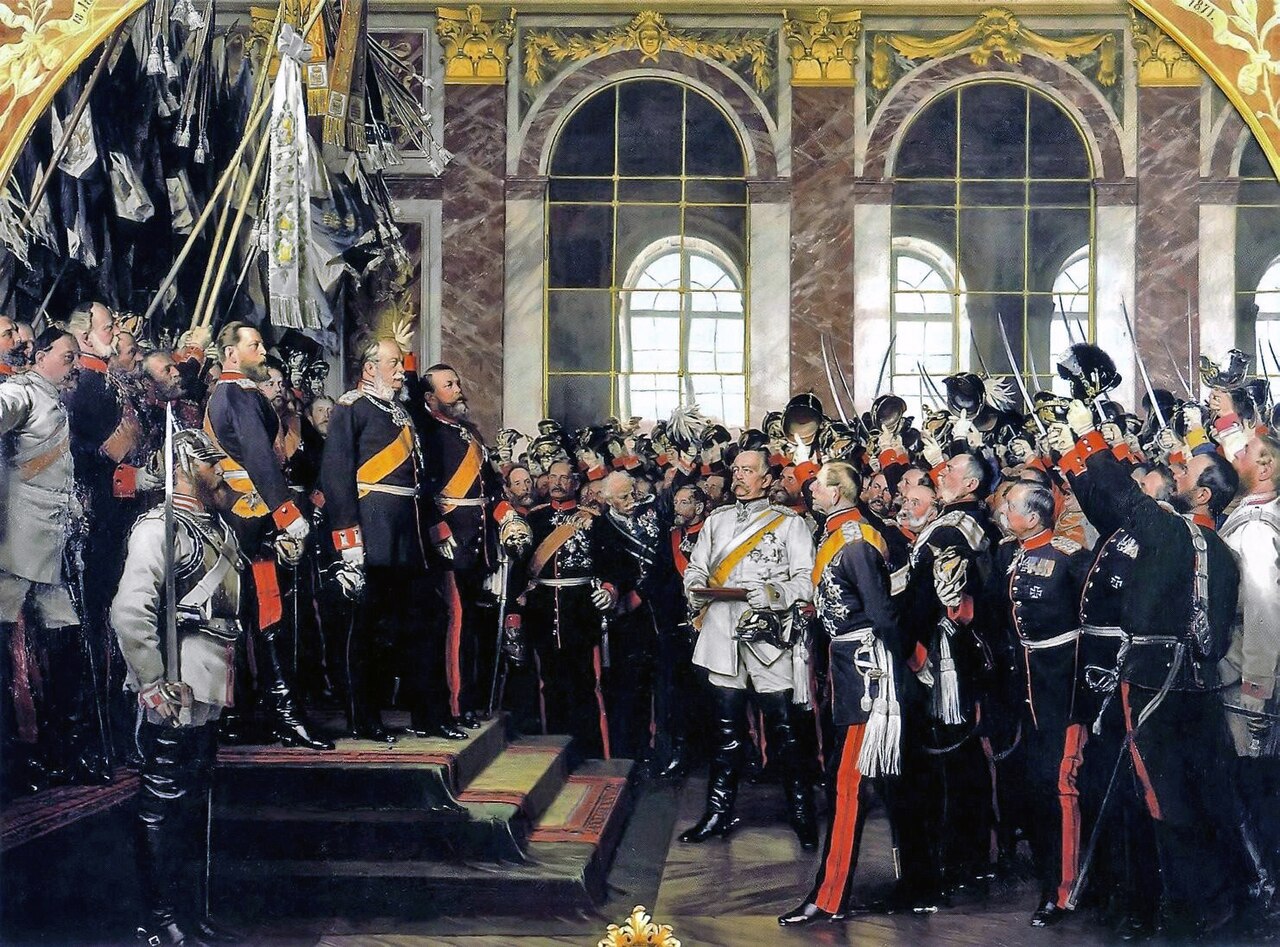
Bismarck served as the leading minister of the Kingdom of Prussia from 1862 until 1890, including the office often described as Prime Minister of Prussia. He engineered a sequence of diplomatic and military moves that brought most of the separate German states together. Through a combination of managed conflict and alliance‑making he achieved unification in 1871, after which he became the first chancellor of the newly proclaimed German Empire and held the title of imperial chancellor.
Methods and major actions
Bismarck's style was pragmatic and often ruthless; he favored practical power politics — later described as Realpolitik — over ideological consistency. Key steps in his program included:
- Three decisive wars that reshaped German affairs: against Denmark (1864), Austria (1866), and France (1870–71), each pursued to strengthen Prussia's position among German states.
- Careful diplomacy to isolate rivals and build alliances, while reconstructing the balance of power on the continent.
- Domestic reforms to stabilize the new state: while conservative on many issues, he introduced pioneering social insurance laws in the 1880s aimed at preserving social order and undercutting socialist movements.
Policies, conflicts, and legacy
Bismarck combined conservative aims with modern administrative measures. He led the Kulturkampf — a policy conflict with the Roman Catholic Church — and later turned against rising Social Democrats with a mix of suppression and social legislation. Internationally he negotiated a system of treaties and understandings intended to secure Germany's position without provoking general war. His dismissal in 1890 by the new emperor marked the end of his direct influence, but his imprint on German state institutions, diplomacy and European politics endured well beyond his lifetime.
Titles, personality and notable facts
During his career Bismarck's noble status evolved: he was created Count (Graf) in the 1860s, elevated to Prince (Fürst) in 1871, and given the ducal title Duke of Lauenburg (Herzog von Lauenburg) in 1890. Known popularly as the "Iron Chancellor," he combined stubborn will, tactical skill, and an ability to manage both court politics and parliamentary conflict. His legacy is debated: credited with state‑building and pragmatic reforms, he is also criticized for authoritarian methods and for setting foundations that later leaders exploited.
Further reading
For summaries of his life and policies consult general biographies and modern studies that place him in the broader development of modern Europe. Useful starting points include compendia on 19th‑century European statecraft and introductions to the history of the German Empire. Contemporary archives and scholarly collections provide primary documents on his correspondence, while survey histories explain his role in shaping the continent after 1871. See also discussions of aristocratic influence in politics (aristocrat), the context of the 19th century, and the balance of power in Europe. Additional specific topics include his tenure as Prime Minister of Prussia, relations with other German states, and his work as imperial chancellor.
Questions and answers
Q: Who was Otto von Bismarck?
A: Otto von Bismarck was an aristocrat and statesman of the 19th century in Europe.
Q: What was Otto von Bismarck responsible for?
A: As Prime Minister of Prussia from 1862 to 1890, Otto von Bismarck was most responsible for the unification of most of the independent German countries into the new German Empire in 1871.
Q: What was Otto von Bismarck's title in 1865?
A: In 1865, Otto von Bismarck was Graf von Bismarck-Schönhausen, which translates to Count Bismarck-Schönhausen.
Q: What was Otto von Bismarck's title in 1871?
A: In 1871, Otto von Bismarck was Fürst von Bismarck, which translates to Prince Bismarck.
Q: What was Otto von Bismarck's title in 1890?
A: In 1890, Otto von Bismarck became the Herzog von Lauenburg, which translates to Duke of Lauenburg.
Q: Did Otto von Bismarck originally want to become a duke?
A: No, at first, Otto von Bismarck did not want to become a duke, but he later accepted the title.
Q: What is Otto von Bismarck known for?
A: Otto von Bismarck is most known for his role in the unification of most of the independent German countries into the new German Empire in 1871.
Author
AlegsaOnline.com Otto von Bismarck — Prussian statesman and architect of German unification Leandro Alegsa
URL: https://en.alegsaonline.com/art/127998