
Tropical Storm Norma (1970)
Tropical Storm Norma formed off Mexico in late August 1970 and produced deadly floods in the southwestern United States, causing heavy rain, extensive damage, and 23 fatalities.
Tropical Storm Norma was a late-summer tropical cyclone in the eastern North Pacific that formed on August 31, 1970. Classified as the fourteenth tropical cyclone of the 1970 season, Norma developed from a tropical disturbance off the western coast of Mexico and persisted until early September. Although it did not produce a direct, well-documented landfall on the Mexican mainland, Norma's remnants moved northeast and brought intense rainfall to parts of the Baja California peninsula and the southwestern United States.
Image gallery
4 Images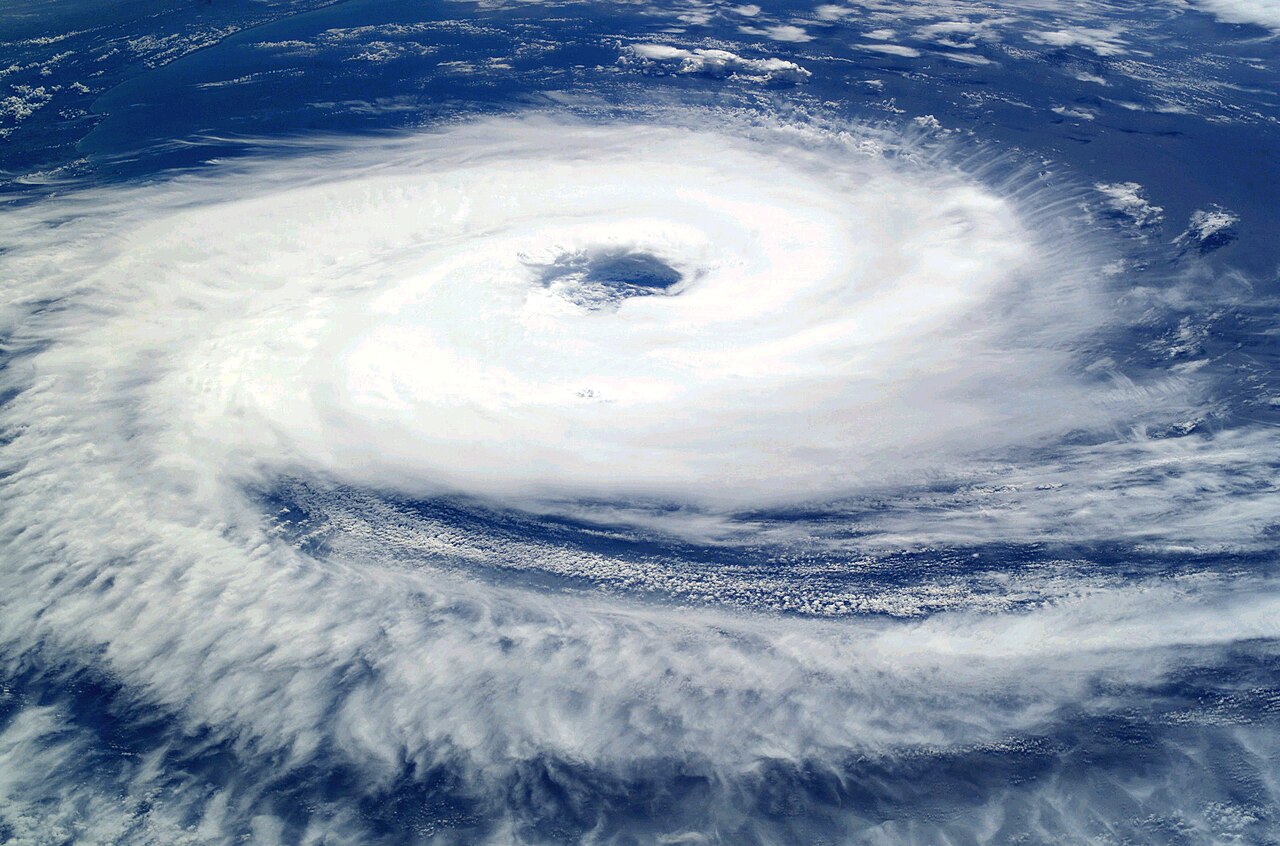


Meteorological history
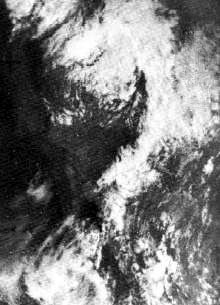
The system that became Norma organized into a named tropical storm on August 31 and was tracked for several days as it moved generally northwestward and then northward. It weakened and dissipated by September 5 before reaching the southern tip of the Baja California peninsula. Observations from that era relied on ship reports, coastal observations, and early satellite imagery, so details of the storm's structure and peak intensity are less complete than for modern cyclones. Despite the lack of a clear landfall, the storm's moisture plume extended well inland.
Impacts and effects
Norma's most significant consequences occurred after its dissipation, when its moisture reached the U.S. Southwest. Heavy rains fell across parts of northern Mexico and southern Arizona, where the storm produced record or near-record daily rainfall in some locations and caused sudden flash floods. The flooding damaged roads, bridges, homes, and agricultural areas. Contemporary reports attribute more than $1 million in damage to the storm's effects, and 23 people were killed in flood-related incidents.
- Heavy rainfall and flash floods in southern Arizona: Arizona experienced some of the worst flooding associated with Norma.
- Coastal and peninsular impacts: moisture affected western Mexico and areas near Baja California.
- Seasonal context: Norma was part of the 1970 Pacific hurricane season, which produced several notable storms.
- Local response: emergency services and community recovery addressed flash flood damage and infrastructure losses.
Aftermath and significance
The fatalities and economic losses from Norma highlighted the danger of tropical cyclone remnants moving into arid regions, where intense convective bursts can produce rapid runoff over hard, dry ground. In the years following 1970, improvements in forecasting, public warning systems, and floodplain management helped reduce similar storm impacts, but Norma remains an example of how even storms that do not make a classic coastal landfall can have severe inland consequences. Further historical and meteorological analyses use storms like Norma to study moisture transport from tropical systems into mid-latitude desert regions (flood and rainfall records).
For contemporary summaries and data compilations, consult archived storm reports and regional hydrological reviews that cover the eastern Pacific basin and the 1970 season. These sources place Norma in the broader pattern of tropical cyclone behavior affecting northwestern Mexico and the southwestern United States during late summer and early autumn (cyclone index, season summary).
Additional contemporary reports and weather-service bulletins provide detailed rainfall totals, damage assessments, and emergency response accounts for communities affected by Norma's rains and floods.
Related articles
Author
AlegsaOnline.com Tropical Storm Norma (1970) Leandro Alegsa
URL: https://en.alegsaonline.com/art/101725