
Tropical Storm Zeta — the last storm of the record 2005 Atlantic season
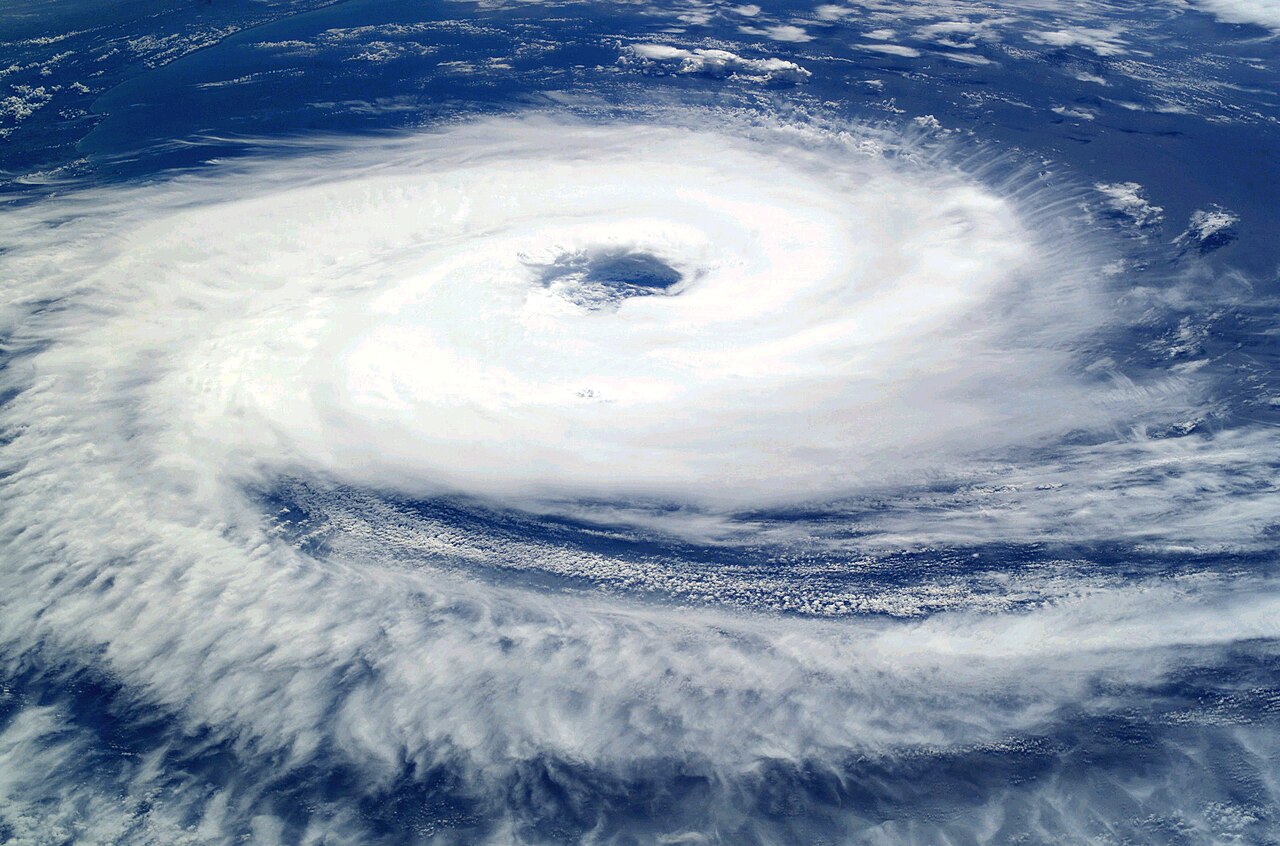
Tropical Storm Zeta formed very late in 2005 and persisted into January 2006, remaining well offshore and marking the unusual close of an extremely active Atlantic hurricane season.
Overview
Tropical Storm Zeta was the final named cyclone of the extraordinarily active 2005 Atlantic hurricane season. It developed on December 30, after the official end of the season, and continued into the new year before dissipating in early January. Zeta remained far from land for its entire life and therefore produced no known damage or casualties, but it is notable for its timing and persistence.
Image gallery
7 Images


Meteorological history
Zeta originated in the central Atlantic Ocean and maintained a tropical structure while moving over open water. Although most seasonal forecasts and advisories anticipated a short life, Zeta resisted early weakening and reached its peak intensity in the first days of January before finally losing its tropical characteristics and dissipating on January 8. Its development illustrates how late-season or post-season disturbances can sometimes acquire sufficient organization to become tropical cyclones when environmental conditions permit.
Naming, season context and records
The 2005 season exhausted the standard list of Atlantic storm names and resorted to the Greek alphabet for additional systems; Zeta is the sixth letter in that sequence. As the twenty-eighth named storm of 2005, Zeta closed a year that produced an unprecedented number of named storms and required exceptional operational measures for naming and public information. Because it formed after November 30 and survived into January, it stands among the few Atlantic tropical cyclones to span two calendar years—an uncommon occurrence that draws attention to the variability of seasonal behavior. For broader context see the 2005 Atlantic hurricane season.
Impact and observations
Zeta remained well offshore in the open ocean, and there are no reports of landfall, significant coastal impacts, or fatalities associated with the system. Observations came primarily from satellite imagery and remote sensing platforms rather than land-based measurements. Its remote track meant the storm had little to no socioeconomic effect, but it provided meteorologists with additional late-season data on tropical cyclone structure and persistence.
Notable characteristics and comparisons
Two notable aspects of Zeta were its post-season timing and its tendency to defy short-term forecasts predicting rapid dissipation. A similar pattern was seen with other late 2005 systems that also persisted longer than some models expected. Zeta formed in the open waters of the central Atlantic—an area sometimes conducive to small, self-contained tropical systems—and therefore is often mentioned alongside systems that challenged expectations for late-season behavior. For reference on its basin location see central Atlantic, and for discussion of how uncommon such post-season storms are, consult material labeled as a rare occurrence.
Legacy and importance
Although Zeta did not cause direct impacts, its existence reinforced lessons about the limits of seasonal boundaries and the need for year-round monitoring of the tropics. Late-season storms test forecasting systems and operational procedures for issuing advisories after the defined season ends. Meteorologists use events like Zeta to refine understanding of environmental thresholds for tropical cyclone formation, maintenance, and decay.
- Formation: December 30 (after the official season end).
- Peak and persistence: reached maximum strength in early January and lasted into the new year.
- Location and impact: stayed over the open central Atlantic and caused no known land damage.
- Seasonal significance: the final (28th) named storm of the record-breaking 2005 season, named using the Greek alphabet.
Questions and answers
Q: What is Tropical Storm Zeta?
A: Tropical Storm Zeta is a tropical cyclone that formed on December 30, 2005, during the 2005 Atlantic hurricane season.
Q: When did Tropical Storm Zeta form?
A: Tropical Storm Zeta formed on December 30, 2005, after the official end of the 2005 Atlantic hurricane season.
Q: Was Tropical Storm Zeta a rare storm?
A: Yes, Tropical Storm Zeta was a very rare tropical cyclone to live during two calendar years, as it formed in December 2005 and dissipated in January 2006.
Q: Did Tropical Storm Zeta hit any land during its lifetime?
A: No, Tropical Storm Zeta stayed far away from land during its whole lifetime in the central Atlantic Ocean.
Q: Did the forecasts accurately predict Tropical Storm Zeta's lifespan?
A: No, every forecast given to the storm predicted it to dissipate quickly, but like Hurricane Epsilon, Zeta denied those advisories and reached its maximum strength on January 2 before finally dissipating on January 8.
Q: What effect did Tropical Storm Zeta have on the 2005 Atlantic hurricane season?
A: Tropical Storm Zeta brought the close to the end of the 2005 season as it was the twenty-eighth and last storm of the season.
Q: Where did Tropical Storm Zeta reach its maximum strength?
A: Tropical Storm Zeta reached its maximum strength in the central Atlantic Ocean on January 2.
Related articles
Author
AlegsaOnline.com Tropical Storm Zeta — the last storm of the record 2005 Atlantic season Leandro Alegsa
URL: https://en.alegsaonline.com/art/101730
Sources
- nhc.noaa.gov : "Tropical Cyclone Report: Tropical Storm Zeta"
- nhc.noaa.gov : "Discussion for Tropical Storm Zeta, 10 p.m. EST, January 1 2006"
- nhc.noaa.gov : "Discussion for Tropical Storm Zeta, 4 a.m. EST, January 3 2006"
- nhc.noaa.gov : "Discussion for Tropical Storm Zeta, 10 a.m. EST, January 4 2006"
- nhc.noaa.gov : "Discussion for Tropical Storm Zeta, 4 a.m. EST, January 5 2006"
- atlanticrowingrace.co.uk : "Atlantic Rowing Race 2005 Press Release: Tropical Storm Zeta"