
1970 Pacific hurricane season
Summary of the 1970 Pacific hurricane season, its timeline, storm counts, basin behavior, and notable characteristics including central Pacific activity and cross-dateline development.
Overview
The 1970 Pacific hurricane season refers to the period in 1970 when tropical cyclones were observed in the eastern and central North Pacific Ocean. By convention the season for the eastern Pacific begins on May 15 and for the central Pacific on June 1, and in 1970 the season concluded on November 30. These conventional dates frame the months when conditions most commonly favor the formation of tropical cyclones in the region (tropical cyclones being the generic term for tropical depressions, tropical storms, and hurricanes).
Image gallery
10 Images
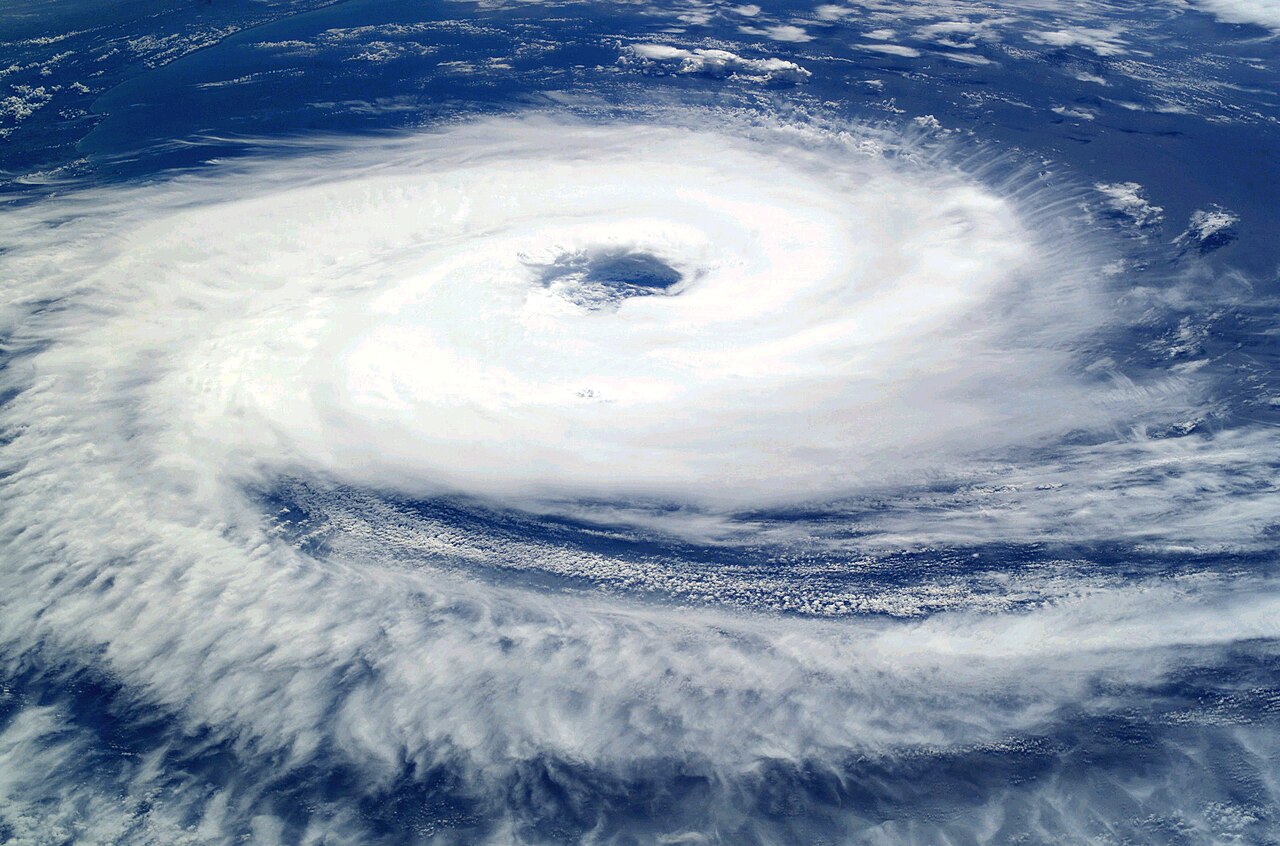


Season characteristics and summary
The 1970 season produced an above-average number of tropical systems for the basin. Observational records list a total of twenty-one tropical cyclones, of which eighteen intensified to at least tropical storm strength. Of those storms, four reached hurricane strength, but none strengthened to what is classed as a "major hurricane" (Category 3 or higher on the Saffir–Simpson scale). The season therefore featured frequent formation but relatively modest peak intensities compared with some other years.
- Total tropical cyclones: 21
- Tropical storms (≥ 39 mph): 18
- Hurricanes (≥ 74 mph): 4
- Major hurricanes (Category 3+): 0
Formation, tracking, and basin behavior
Storms in the eastern North Pacific typically form from disturbances that develop off the west coast of Mexico and Central America, then move westward or northwestward into open water. In 1970, monitoring relied on ship reports, coastal observations, and increasingly on satellite imagery and aircraft reconnaissance when available. The central Pacific basin—an area that begins near the 140°W meridian—recorded its own activity that year, including one system that reached hurricane strength and an additional tropical depression. The center of tracking and warning responsibilities shifts between agencies depending on longitude; this year illustrated how systems can cross basin boundaries.
Crossing the dateline and international classification
One noteworthy occurrence during 1970 was a tropical depression that continued westward across the International Date Line and was reclassified under western Pacific practice as a typhoon. This highlights a convention in tropical cyclone records: when a system crosses the dateline it becomes part of another basin's archive and may receive a different operational designation. For historical summaries see the season start in the east (east Pacific) and the central Pacific start date on June 1, 1970 (1970).
Impacts, detection, and legacy
Although 1970 produced many named storms, the absence of major hurricanes meant there were fewer extreme-intensity landfalls documented in the eastern Pacific that year. The season remains of interest to researchers because it combined a high count of storms with modest maximum intensities, a pattern helpful for studies of environmental factors—such as sea surface temperatures and wind shear—that influence storm intensification. Contemporary records and post-season analyses rely on the original operational logs and later reanalyses; archival references often note the conventional season limits—May 15 in the east (May 15) and November 30 as the seasonal close (November 30)—to frame year-to-year comparisons.
Notable distinctions
Key distinguishing features of the 1970 season are its above-average storm count and lack of any storms reaching major hurricane strength. It also included measurable central Pacific activity and an instance of a system crossing the dateline to become a typhoon, underlining the interconnected nature of Pacific tropical cyclone climatology and the operational distinctions used by different forecast centers (tropical cyclone records and archives).
Related articles
Author
AlegsaOnline.com 1970 Pacific hurricane season Leandro Alegsa
URL: https://en.alegsaonline.com/art/112110