
Twilight: dawn and dusk — causes, types, and practical importance
Twilight is the interval of dim light around sunrise and sunset. This article explains physical causes, the three standard twilight phases, variation by latitude and uses in navigation, astronomy, photography and law.
Overview
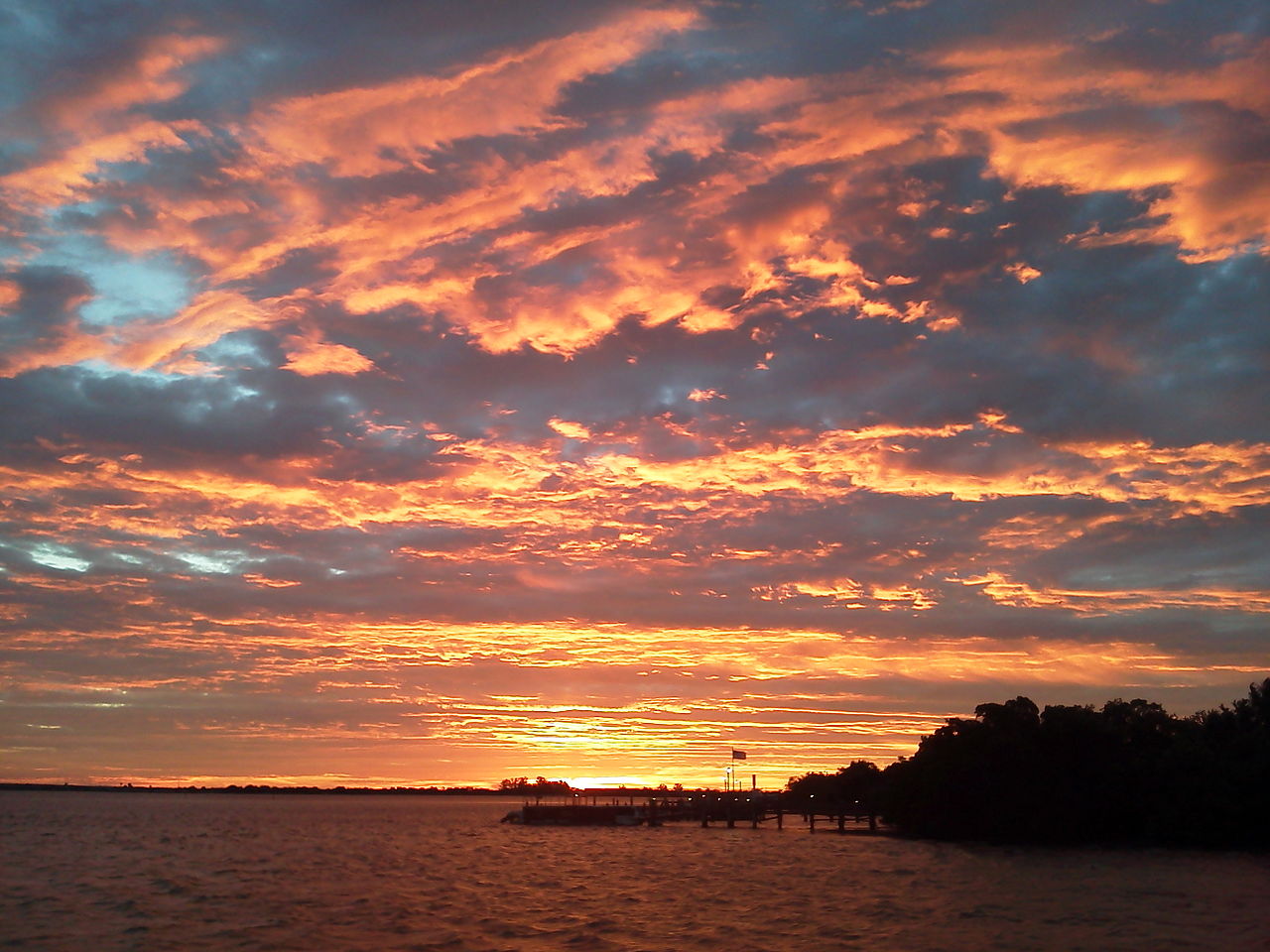
Twilight is the period of soft, diffuse light that surrounds sunrise and sunset. It includes the moments before the sunrise and after the sunset, and is commonly referred to as dawn in the morning or dusk in the evening. During twilight the Sun itself may be below the horizon while its light still illuminates the atmosphere.
Image gallery
10 Images



Physical causes
Twilight arises because sunlight is scattered by air molecules, aerosols and clouds in the upper atmosphere. Shorter wavelengths scatter more strongly, which is why the sky turns reddish near the horizon and bluish higher up. Atmospheric refraction also bends sunlight slightly so the Sun can appear above the horizon when it is geometrically just below it. Weather, pollution and the presence of clouds change the visual brightness and color of twilight.
Standard twilight categories
Observers and professionals commonly divide twilight into three phases, defined by the Sun's apparent angular distance below the horizon as seen from an ideal sea-level horizon:
- Civil twilight — when the Sun is less than 6° below the horizon. In practice this is bright enough for many outdoor activities without artificial lighting and it ends at sunrise in the morning. Many legal and municipal rules on street lighting and worktime use this threshold (civil twilight).
- Nautical twilight — when the Sun is between 6° and 12° below the horizon. At this stage the horizon is still faintly visible at sea, allowing traditional navigation techniques to be used.
- Astronomical twilight — when the Sun is between 12° and 18° below the horizon. Once the Sun drops more than about 18° below the horizon, the sky is effectively as dark as night for most astronomical observations.
Variation with place and season
The duration and character of twilight depend strongly on latitude and the time of year. Near the equator twilight is relatively brief because the Sun's path crosses the horizon steeply. At higher latitudes twilight can last much longer; within polar regions it may persist for days or weeks in transitional seasons. These definitions assume a flat horizon at sea level (horizon); mountains or buildings change when direct sunlight reappears or disappears.
Practical importance and examples
Twilight has wide-ranging importance. Sailors have long relied on nautical twilight to determine the horizon for sextant sightings. Astronomers schedule observations to begin after astronomical twilight to avoid residual sky brightness. Photographers value the periods just before sunrise and after sunset for the "golden hour" and the cooler tones of the "blue hour." Pilots, municipalities and outdoor workers use civil twilight thresholds in regulations and safety guidelines. Visibility of planets, bright stars and atmospheric phenomena such as airglow or aurora depends on the twilight phase and local conditions.
Notable points and cautions
While the angular definitions are precise in theory, practical darkness is influenced by clouds, dust and moonlight. The Sun itself (the Sun) may still affect ground illumination indirectly even when below the horizon. When planning navigation, observing or lighting, consult local charts or authorities because jurisdictions sometimes modify or reinterpret the standard twilight thresholds.
Questions and answers
Q: What is twilight?
A: Twilight is the time of day when the sun is below the horizon, but light is still present.
Q: When does dawn occur?
A: Dawn occurs in the morning when the sun is just starting to appear and it is no longer dark, before sunrise.
Q: What happens at sunset?
A: At sunset, the sun disappears below the horizon and darkness begins to set in.
Q: What is dusk?
A: Dusk is the time of day in the evening when the sun is below the horizon.
Q: What is civil twilight?
A: Civil twilight is the time of day when the sun is less than 6° below the horizon and occurs before sunrise in the morning or follows sunset in the evening.
Q: What is nautical twilight?
A: Nautical twilight is the time of day when the sun is between 6° and 12° below the horizon.
Q: What is astronomical twilight?
A: Astronomical twilight is the time of day when the sun is between 12° and 18° below the horizon.
Related articles
Author
AlegsaOnline.com Twilight: dawn and dusk — causes, types, and practical importance Leandro Alegsa
URL: https://en.alegsaonline.com/art/102249