
Flash Flood: Causes, Characteristics, Impacts and Safety
Flash floods are sudden, fast-rising floods that inundate low-lying areas after intense rainfall, dam failures, rapid snowmelt or other abrupt water releases; they pose high risk due to speed and debris.
Overview
A flash flood is a rapid and often unexpected inundation of normally dry land that develops within a short time after a sudden input of water. These events commonly affect low-lying areas, narrow valleys and urban streets where drainage cannot cope with the volume and pace of flow. Flash floods differ from slower, seasonal floods mainly by their speed of onset and their destructive power.
Image gallery
4 Images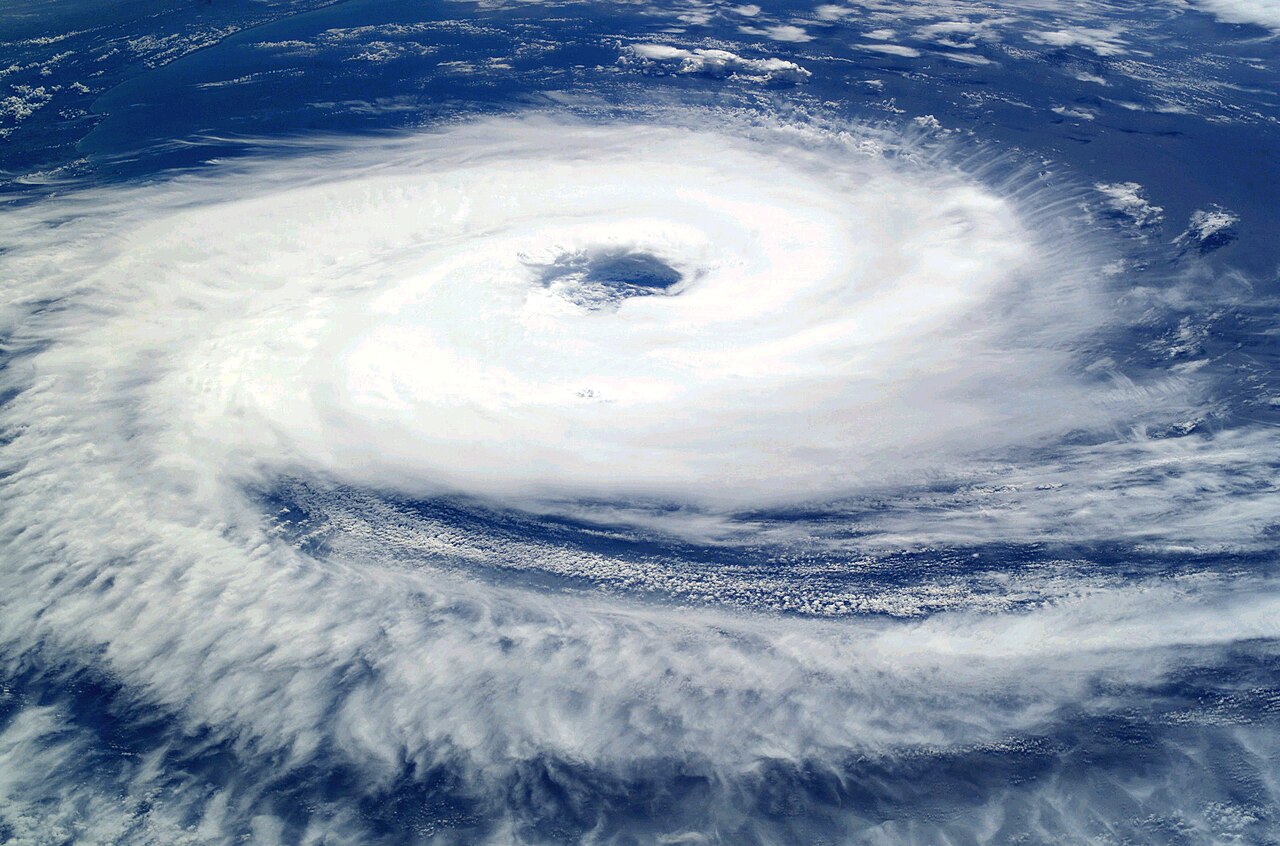


Causes and typical characteristics
Flash floods arise from several mechanisms. Intense, localized rainfall — especially from slow-moving or multiple thunderstorms — can overwhelm soil and drainage systems and produce a rapid rise in water level; more information on rainfall-related causes is available at heavy rain resources. Sudden releases of stored water, such as the breach or failure of a dam or levee, also create abrupt flooding waves and are discussed at dam failure guidance. Rapid snowmelt or ice jams in rivers can similarly cause quick surges.
Common features
- Very short lead times between cause and peak water levels, often minutes to a few hours.
- High flow velocity that can uproot trees, carry vehicles and destroy buildings.
- Large amounts of debris and sediment that increase hazard to people and infrastructure.
- Strong erosion that can alter landscapes and undermine roads and foundations.
Impacts and examples
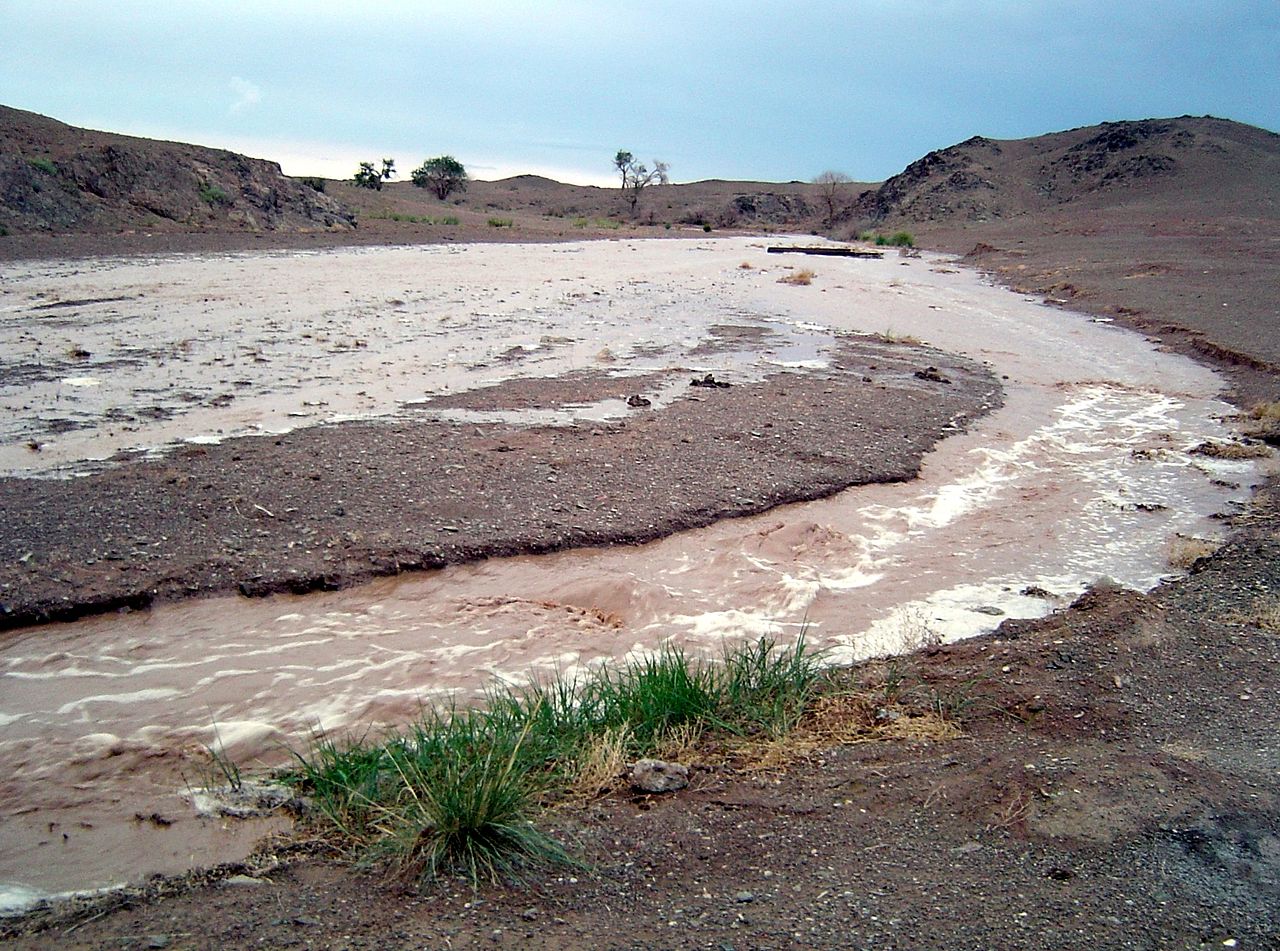
Because of their suddenness and force, flash floods can cause loss of life, heavy property damage and long-lasting disruption to transport and utilities. Urban areas with impermeable surfaces are particularly vulnerable, as are steep or arid regions where dry channels (often called arroyos or wadis) can fill very quickly. While some coastal inundations like a tsunami produce similar rapid flooding, they are treated separately because of different origins and warning systems.
Preparedness and response
Effective measures to reduce risk combine land-use planning, engineered controls and public education. Structural approaches include detention basins, improved drainage, reinforced levees and controlled spillways. Non-structural actions involve early warning systems, clear evacuation routes, signage at known flood-prone crossings and community awareness campaigns. In emergencies, the basic safety rule is to move quickly to higher ground and avoid driving or walking through floodwaters.
Distinguishing features and notable facts
Flash floods are distinguished from slower-onset floods by their abrupt timing and concentrated energy. Forecasting them is challenging because they depend on highly localized weather and rapid hydrologic response. Advances in radar, telemetry and public alerting have improved warnings, but personal caution remains essential where conditions are conducive to sudden flooding.
Related articles
Author
AlegsaOnline.com Flash Flood: Causes, Characteristics, Impacts and Safety Leandro Alegsa
URL: https://en.alegsaonline.com/art/35012
Sources
- srh.noaa.gov : "Definitions of flood and flash flood"