
Triple Alliance (1882): Germany, Austria-Hungary and Italy
A defensive military alliance formed in 1882 between Germany, Austria-Hungary and Italy. Its terms, origins under Bismarck, weaknesses, and role leading up to World War I are summarized.

The Triple Alliance was a formal military alliance concluded in 1882 that bound Germany, Austria-Hungary and Italy by a mutual defense pact. Negotiated as part of Otto von Bismarck's network of treaties, it was designed to secure Germany's position in Europe after the wars of German unification and to deter French or Russian aggression. The pact remained on the books until the outbreak of World War I in 1914, but its practical effect and reliability were shaped by competing interests among the signatories.
Image gallery
3 Images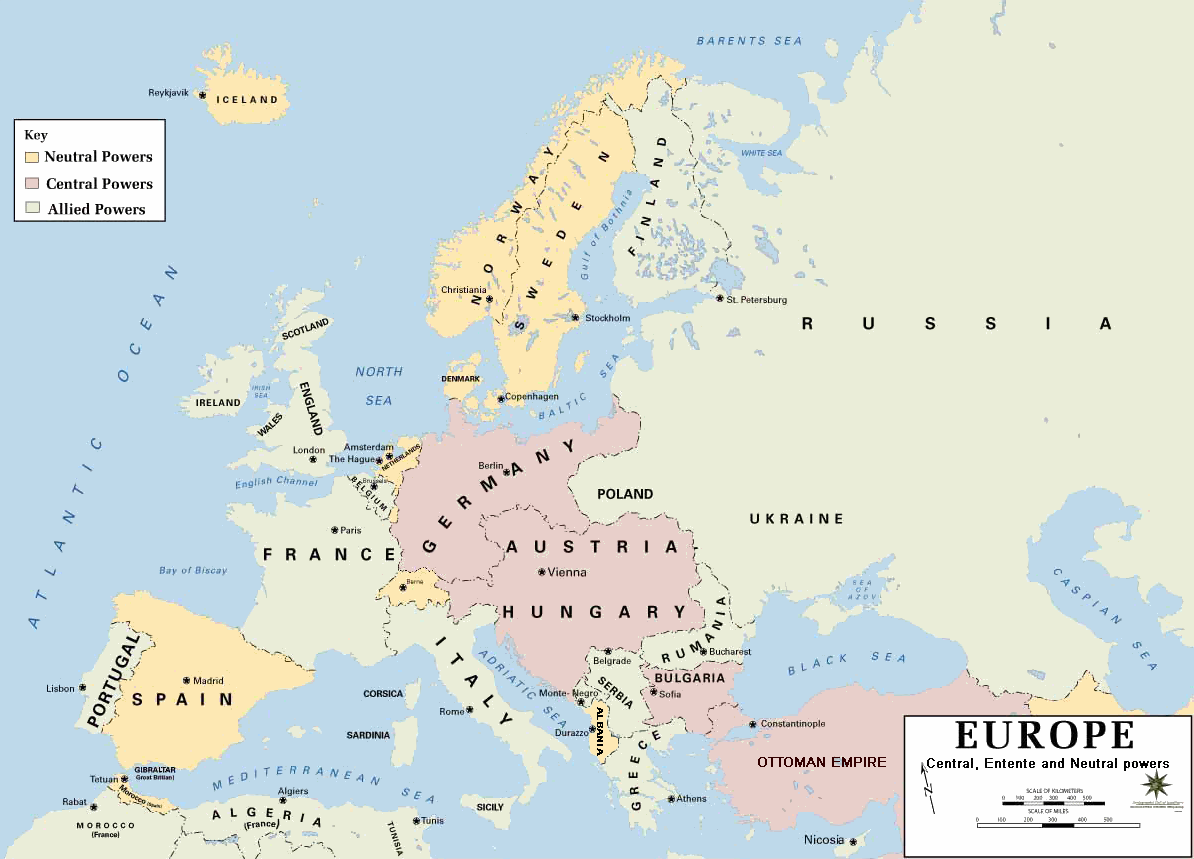


Members and main provisions
- Members: Germany, Austria-Hungary, Italy.
- Nature: a defensive agreement obliging members to assist one another if attacked by two or more powers or if attacked unprovoked by another great power.
- Limits: obligations were not absolute; Italian commitments were qualified, and secret understandings sometimes narrowed when and how assistance was provided.
- Tension: Italy had territorial disputes with Austria-Hungary, long regarded by many Italians as an old enemy, which undermined internal confidence in the pact.
Origins and development
The alliance grew from the earlier Dual Alliance (1879) between Germany and Austria-Hungary. Bismarck sought to isolate France diplomatically and to avoid a two‑front war by arranging security guarantees. Italy joined in 1882, hoping for support against French pressure and to strengthen its position for colonial expansion. Over the following decades treaties were renewed and adjusted, but the personal and national goals of the partners—especially after Bismarck's dismissal in 1890—led to shifting priorities and growing distrust among the great powers.

Role before and during World War I
The Triple Alliance helped shape the system of blocs that polarized Europe: on the opposing side the Triple Entente of France, Russia and the United Kingdom. When war began in 1914, Italy declared neutrality, arguing the treaty did not oblige it to join an offensive war begun by Austria-Hungary. In 1915 Italy entered the conflict on the side of the Entente after the secret Treaty of London promised territorial gains; thus the Triple Alliance effectively dissolved. Contrary to some accounts, the Ottoman Empire did not become a formal member of the 1882 Triple Alliance; it later joined the Central Powers in World War I alongside Germany and Austria-Hungary.
Strategic strengths and weaknesses
Strengths of the alliance included deterrence against isolated aggression and the appearance of a consolidated central European front. Weaknesses were significant: Italy’s ambivalent loyalty, the persistence of Austro‑Italian territorial rivalry, and for Germany the continuing risk of being strategically encircled by the Entente powers. These limitations reduced the pact’s effectiveness as a guarantee of collective security in the event of a large continental war.

Legacy and historical significance
The Triple Alliance is important for understanding the diplomatic alignments that preceded World War I and for studying how secret clauses, national rivalries and changing leaders can weaken formal treaties. It illustrates the difference between written commitments and political will: despite formal ties, members followed separate interests when war came. For further context on the alliance system and European diplomacy, consult contemporary histories and archival treaty collections.
Selected references and related topics: alliance systems, treaty agreements, and the opposing Triple Entente.
Related articles
Author
AlegsaOnline.com Triple Alliance (1882): Germany, Austria-Hungary and Italy Leandro Alegsa
URL: https://en.alegsaonline.com/art/101556