
Triple Entente (United Kingdom, France and the Russian Empire)
A diplomatic and later military alignment formed in the early 20th century linking Britain, France and Russia; its growth, role in World War I, and legacy in 20th‑century balance-of-power politics.
Overview
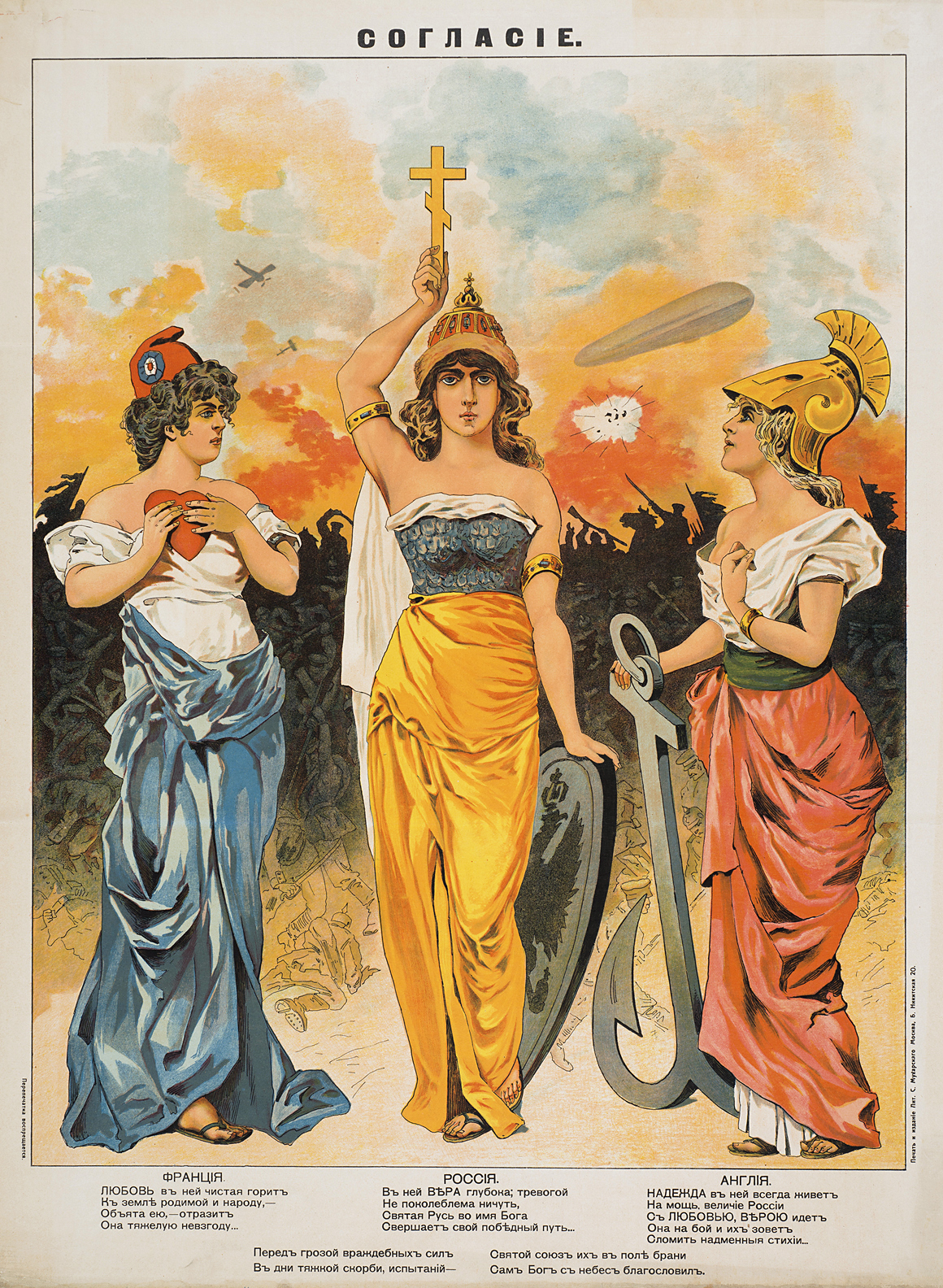
The Triple Entente was the name commonly given to the understanding between the United Kingdom, France and the Russian Empire that emerged in the opening years of the 20th century. Originally a set of diplomatic agreements rather than a formal treaty, the Entente sought to reduce longstanding rivalry and to provide mutual reassurance in a changing European balance of power. The term is often translated or described as the Triple Agreement, and its core members are most frequently cited as the United Kingdom, France and the Russian Empire.
Image gallery
3 Images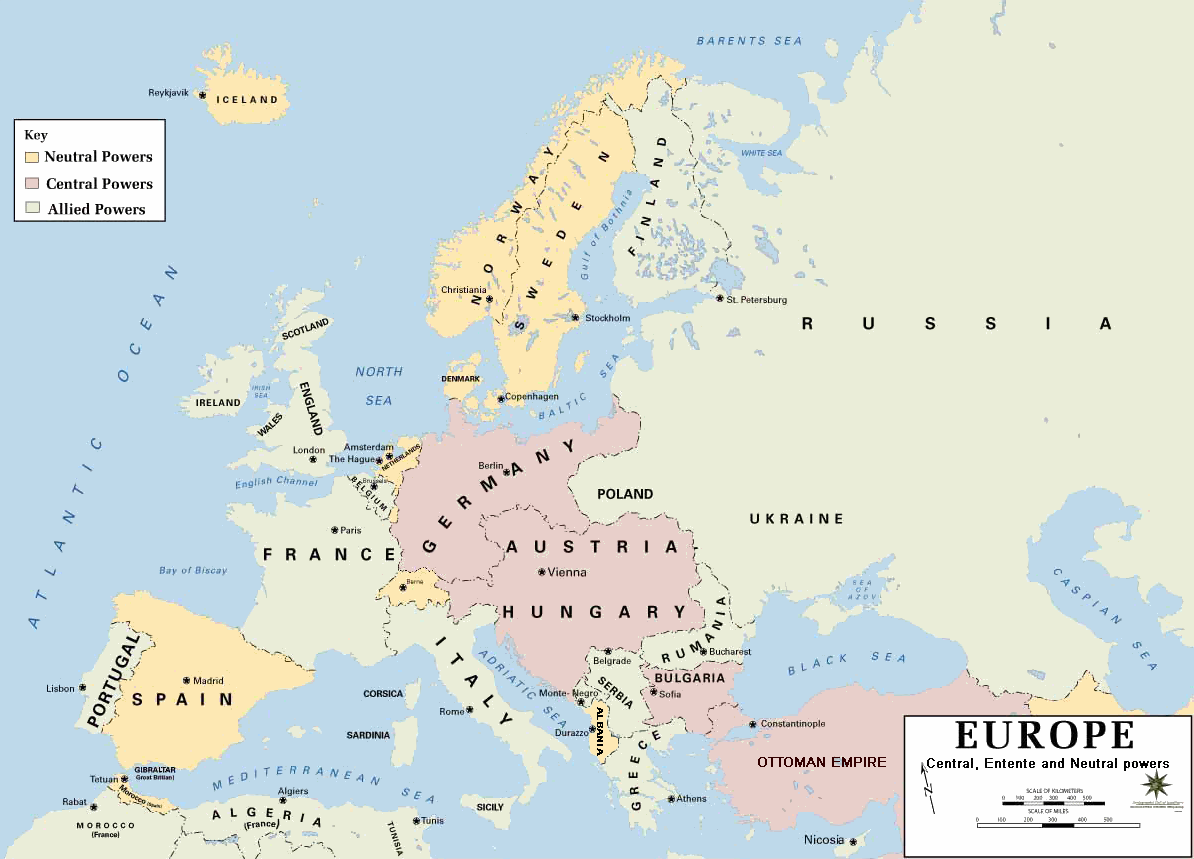

Formation and characteristics
The Entente was assembled in stages. Britain and France resolved many colonial disputes with the Entente Cordiale, while Britain and Russia concluded the Anglo-Russian Entente in 1907, producing the three‑way understanding. Each agreement addressed specific diplomatic and territorial questions rather than forming a single binding military pact. The arrangement relied on shared strategic interests: restraining German expansion, protecting trade routes and preserving colonial possessions. Over time, other states developed closer relations with the Entente powers, including informal ties with Japan, the United States and Spain, although these links varied in intensity and were not part of the formal tripartite core.

Role in World War I
When the First World War broke out in 1914 the Entente arrangements quickly became the diplomatic foundation of the opposing coalition known as the Allies. Initially not a military alliance in the strict legal sense, the Entente powers coordinated mobilization and operations as conflict escalated. They opposed the Central Powers—principally the German Empire, Austria‑Hungary and Italy (until Italy switched sides in 1915)—often cited collectively as the Triple Alliance or the Central Powers. The outbreak of war transformed understandings into active military cooperation between Britain, France and Russia.

Development, crises and changes
The alliance system evolved under the pressure of events. Italy left its nominal alignment with the Central Powers to fight with the Entente states in 1915, while the Russian Revolution of 1917 removed Imperial Russia from the coalition before the war’s end. The military partnership between Britain and France continued beyond Russia’s withdrawal until the Axis invasions of 1940, when Nazi Germany overran much of Western Europe and changed the political map. Throughout these years the Entente functioned as part political understanding, part military partnership, depending on circumstance and national interest. The changing loyalties and new entrants underscore the flexible, pragmatic nature of pre‑war and wartime diplomacy.
Uses, importance and notable distinctions
- The Entente eased colonial friction between Britain and France and reduced the likelihood of bilateral crises in the years before 1914.
- It provided a diplomatic counterweight to German diplomatic isolation and the renewed emphasis on alliances by the German Empire.
- Unlike a formal defensive treaty, the Entente relied on consultation and common interest rather than automatic military commitments, a distinction that shaped early wartime decisions.
- Its expansion into a broad coalition of states during World War I illustrates how diplomatic understandings can convert into a wartime alliance network under external stress.
Although commonly discussed in opposition to the Central Powers, the Triple Entente is best understood as a pragmatic, evolving set of relationships. It began as a device to stabilize rivalries and ended as the diplomatic backbone of the Allied effort in the First World War, with consequences that influenced European diplomacy and global alignments through the mid‑20th century.
Further reading and related topics: origins of the Triple Agreement, the Entente Cordiale, the Anglo-Russian Entente, and the development of alliance systems before 1914.
Related articles
Author
AlegsaOnline.com Triple Entente (United Kingdom, France and the Russian Empire) Leandro Alegsa
URL: https://en.alegsaonline.com/art/101561