
Type 23 frigate (Duke class)
A British-built multi-role frigate class designed for anti-submarine warfare, later adapted for general duties. Operated by the Royal Navy and exported to the Chilean Navy; undergoing upgrades and phased replacement.
Overview
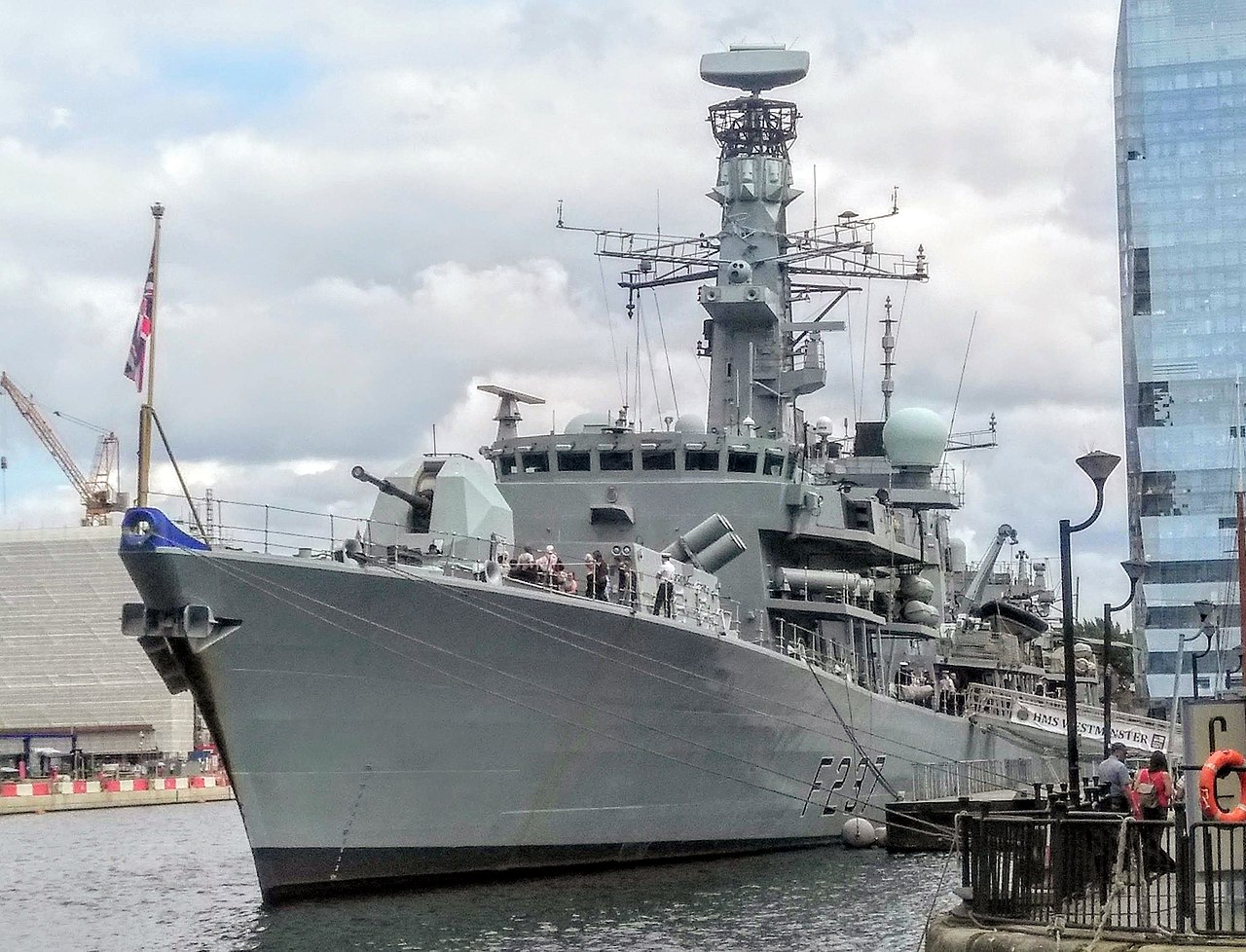
The Type 23, commonly called the Duke class, is a modern frigate design introduced by the Royal Navy as a specialist anti-submarine warfare platform that evolved into a flexible multi-role warship. Often described as a signature Royal Navy surface combatant, the class is widely referenced as the Duke class in naval literature and recognized as a major warship type in recent British fleet inventories. The vessels were built for the Royal Navy of the United Kingdom and some later entered service with the Chilean Navy of Chile.
Image gallery
9 Images





Design and propulsion
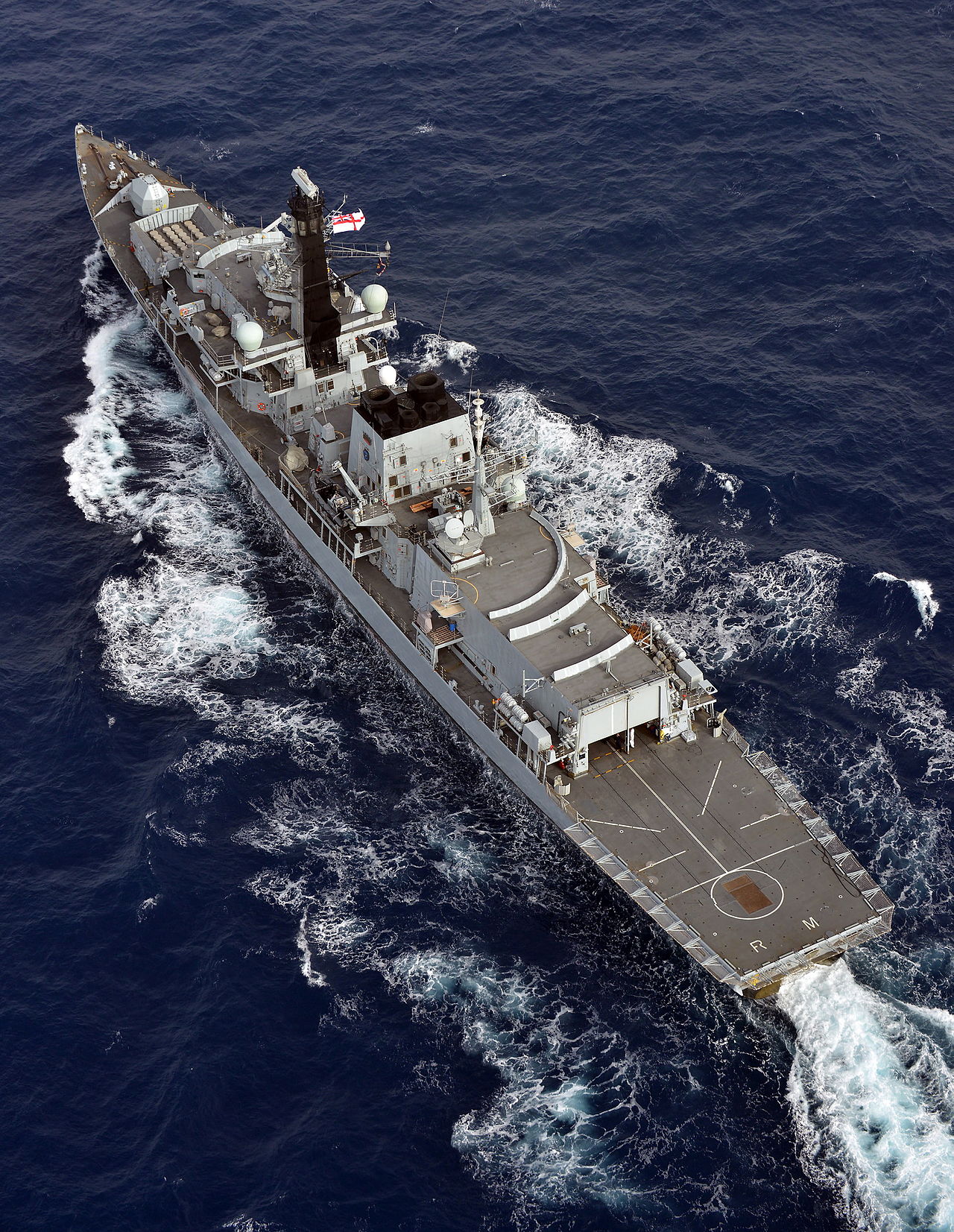
Type 23 hulls were developed with a focus on acoustic quieting and seakeeping to improve anti-submarine performance. Propulsion combines gas turbine and diesel-based arrangements intended to balance speed with fuel efficiency and quiet operation while on station. The ships include a flight deck and enclosed hangar to support shipborne helicopters, which extend hunting and surveillance ranges.
Sensors and armament
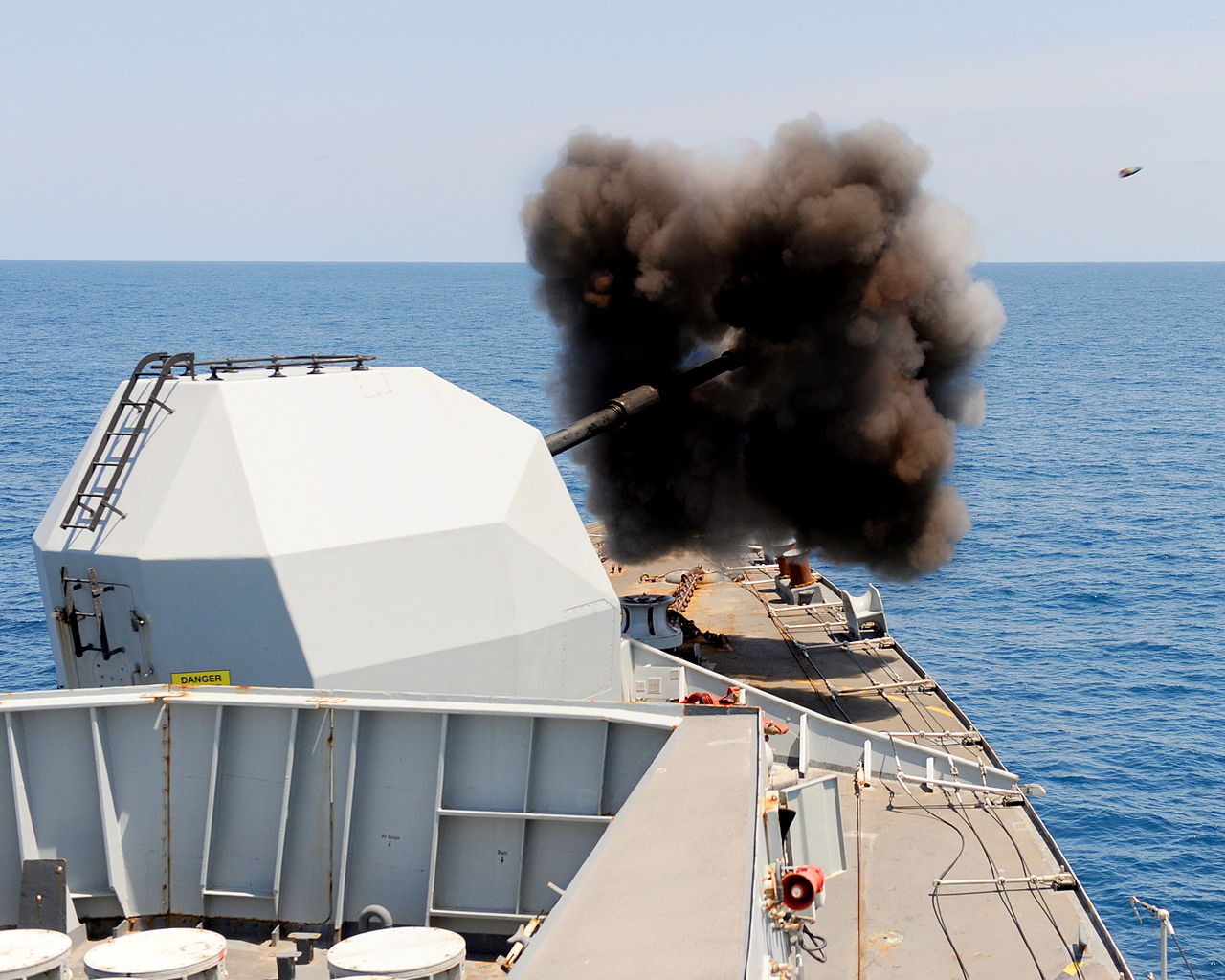
The class carries a layered sensor fit, typically including hull-mounted sonar, towed-array sonar systems and surface/air surveillance radars. Weapon fits have been updated over time; common elements include a medium-calibre naval gun, point‑defence air missiles and anti-ship weapons, along with torpedo systems for submarine engagement.
- Main gun for surface fire support and defence.
- Short- to medium-range surface-to-air missiles for point defence.
- Anti-ship missiles and lightweight torpedoes for sea control.
Operational service and exports
Type 23 frigates have been employed on global deployments including maritime security, convoy escort, anti-piracy patrols and coalition operations. Their helicopter capability and ASW sensors made them valuable during the late Cold War and in subsequent expeditionary tasks. Several ships have been transferred to allied navies as part of export and support arrangements.
Modernisation, variants and legacy
Across their service lives the frigates have received phased modernisation: updated missile systems, new radars and acoustic improvements to maintain relevance against evolving threats. The class is being succeeded by newer designs within the UK fleet but remains a notable example of a ship type that combined specialised ASW capability with adaptable, general-purpose warfare features.
Related articles
Author
AlegsaOnline.com Type 23 frigate (Duke class) Leandro Alegsa
URL: https://en.alegsaonline.com/art/102331