
Tsar Bomba: the AN602 — the largest nuclear test device ever detonated
Tsar Bomba (AN602) was the largest nuclear device ever tested by humans. Detonated by the Soviet Union in 1961 over Novaya Zemlya, it remains a benchmark of Cold War weapons testing and its environmental and political impacts.
Overview
Tsar Bomba is the popular name for the Soviet thermonuclear device designated AN602. Detonated on October 30, 1961, it is the most powerful nuclear explosive ever tested. The device was developed and fielded during the height of the Cold War as a deliberate demonstration of extreme yield and engineering capability rather than as a practical weapon for routine deployment.
Image gallery
7 Images



Design and characteristics
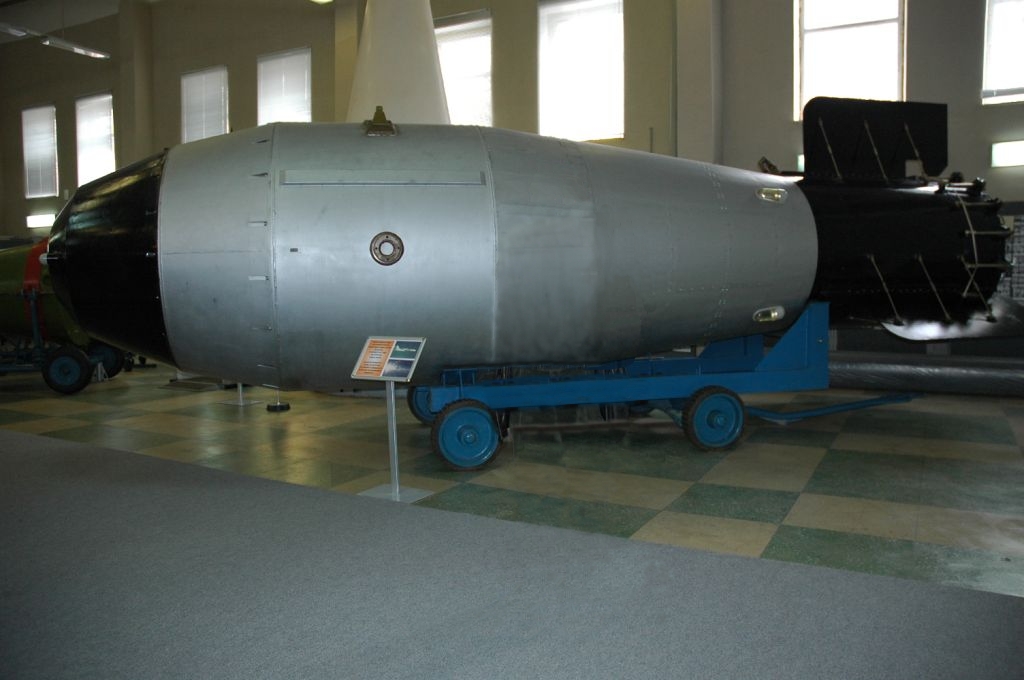
The AN602 was a multi-stage thermonuclear bomb employing staged fusion to achieve very large yields. Early design work aimed at a yield near 100 megatons; to limit radioactive fallout and to address material and safety constraints, Soviet designers downrated the tested version by altering the bomb’s tamper and other components. Published accounts place the observed yield in the range commonly cited as about 50 megatons, with some estimates reaching about 56 megatons. The complete device was enormous by modern standards: it weighed many tonnes and was roughly several meters long, so it required a specially modified long-range bomber to carry and release it.
Test: delivery, detonation and immediate effects
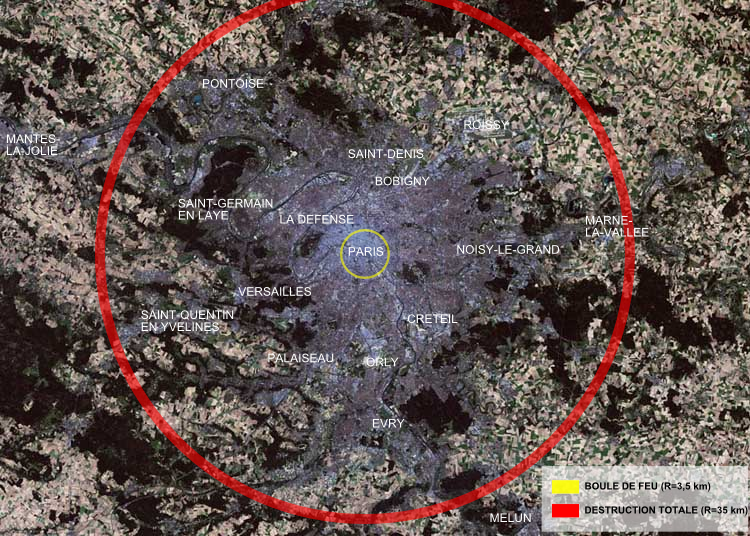
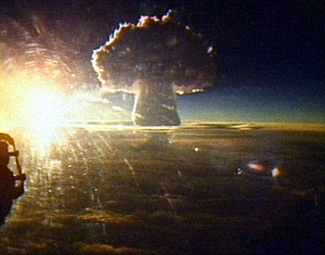
The explosive was air-dropped and fitted with a parachute to delay its descent so the delivery aircraft could gain distance. The detonation occurred above the Novaya Zemlya archipelago in the Russian Arctic. Observers recorded a massive fireball and a mushroom cloud that rose into the stratosphere, and the blast and thermal radiation produced damage and broken windows at great distances. Seismic and atmospheric instruments registered the shock wave around the world. The test was intended to limit local fallout by detonating the device at altitude, but the blast’s global atmospheric effects and climatic concerns contributed to international alarm.
Historical context and legacy
Tsar Bomba was both a technical achievement and a political signal. It demonstrated the Soviet Union’s capacity to design very-high-yield thermonuclear devices, even though such weapons posed serious practical, logistical and humanitarian problems. The spectacle of extremely large atmospheric tests during this period helped accelerate debates about atmospheric nuclear testing and contributed to the climate of public and diplomatic pressure that led to nuclear test restrictions and treaties in the early 1960s.
Notable facts and distinctions
- Official designation: AN602; popular names include Tsar Bomba and variants translating to “Emperor” or “King” bomb.
- The test took place at a Soviet Arctic test site and remains the largest single-yield detonation on record.
- Because of its size, the device required modifications to the delivery aircraft and special procedures to attempt to protect the crew during release.
- Recorded environmental effects included global detection of the blast’s shock wave and a very large mushroom cloud; localized fallout was reduced by the high-altitude burst and design choices, but long-term atmospheric consequences were a concern.
Further reading and related topics
For technical and historical context, see materials on thermonuclear weapon design and Cold War testing policies. Related subjects include the development of large-yield thermonuclear devices, the Arctic test range where the explosion occurred, and the aircraft used to carry the weapon.
- Thermonuclear weapon design and stages
- Soviet nuclear testing program
- 1961 nuclear test chronology
- Cold War arms race and diplomacy
- Novaya Zemlya test site
- Tupolev Tu-95 bomber and modifications
This article summarizes well-attested aspects of the AN602 test without speculating on classified or disputed technical details. Readers seeking primary documents or archival records should consult dedicated repositories and technical histories linked above.
Related articles
Author
AlegsaOnline.com Tsar Bomba: the AN602 — the largest nuclear test device ever detonated Leandro Alegsa
URL: https://en.alegsaonline.com/art/101856