
Agar plate: composition, uses, and role in microbiology
Agar plates are nutrient-containing solid media in shallow dishes used to culture, isolate, and study microorganisms in clinical, research, and industrial settings.
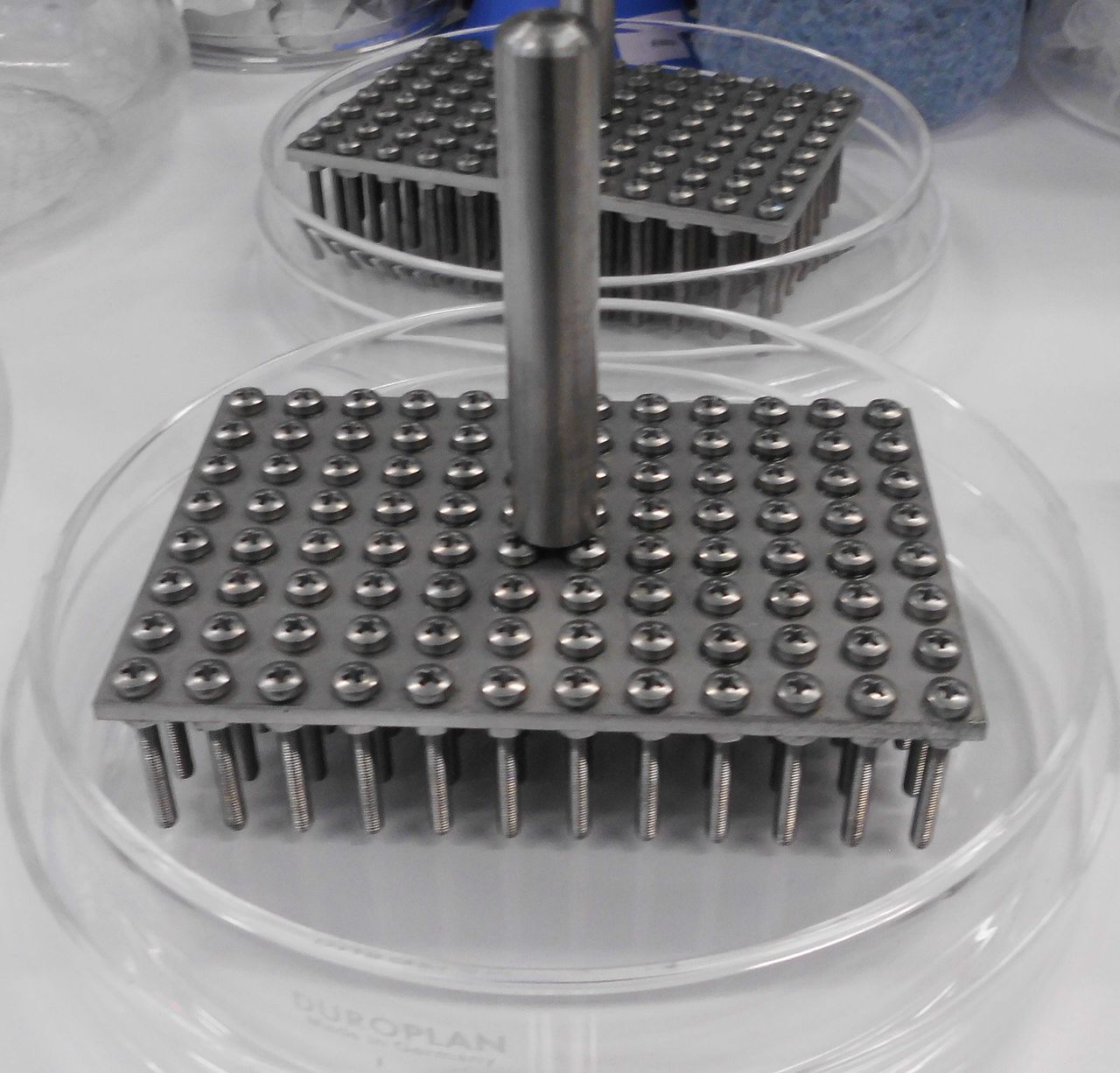
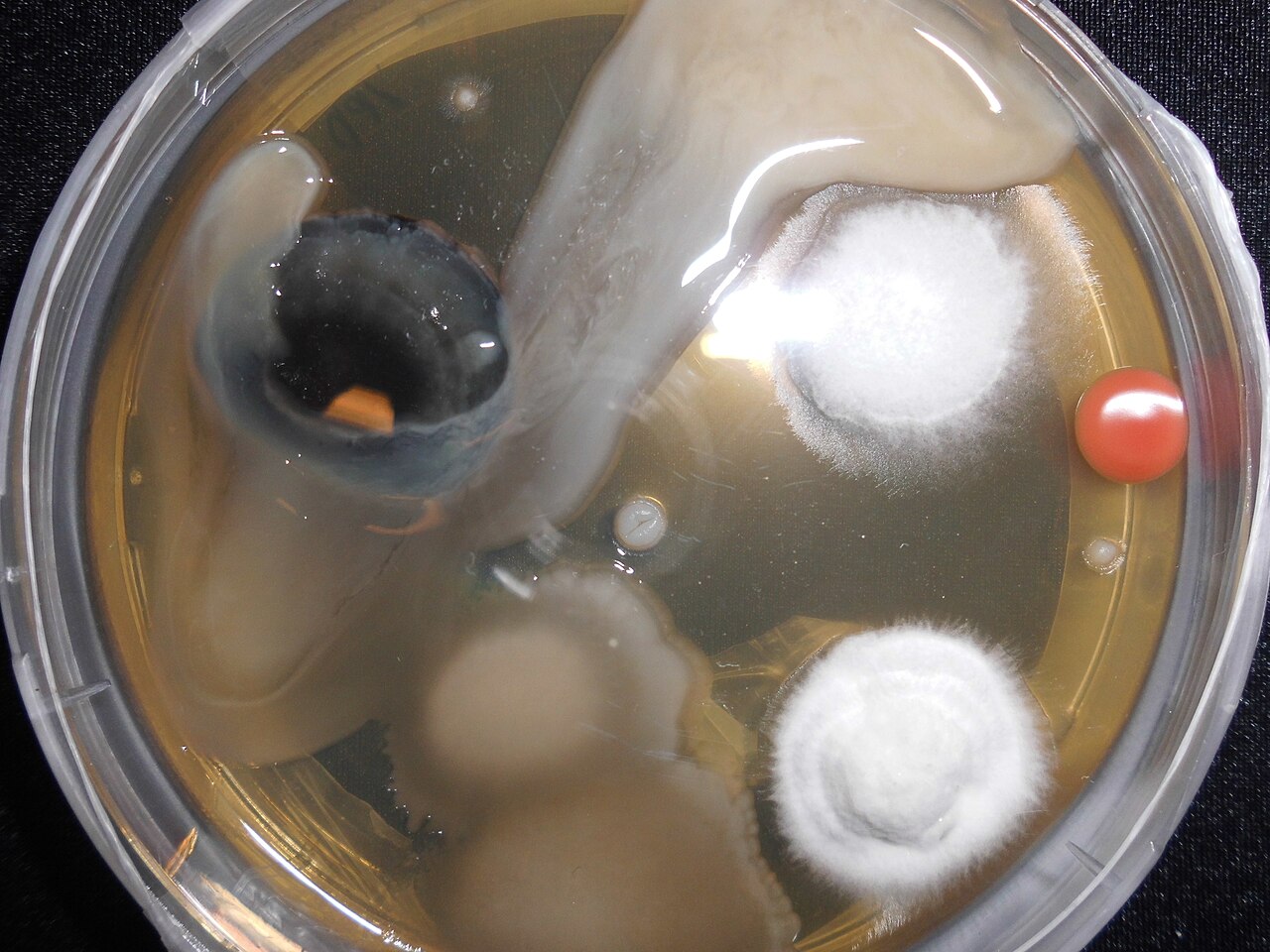
An agar plate is a shallow, round culture dish used to grow microorganisms on a solid medium. The dish itself is often called a Petri dish, while the solidifying agent is agar, a gelatinous extract from red algae. Mixed with water and nutrients, agar provides a stable surface where bacteria, fungi and other microbes form visible growths called colonies. Researchers and clinicians rely on agar plates to observe colony appearance, separate mixed populations into pure cultures, and count viable cells.
Image gallery
10 Images




Composition and preparation
A typical agar plate is prepared by dissolving powdered agar and a nutrient mix in hot water, pouring the liquid into sterile plates, and allowing it to cool and solidify. Agar contains the polysaccharides agarose and agaropectin, which form a firm gel that remains solid at normal incubation temperatures. Nutrient components vary: simple formulations may include peptones and salts, while enriched media add blood, vitamins or sugars to support fastidious organisms. The exact recipe determines which microbes will thrive.
How microorganisms grow and form colonies
When a small number of cells are deposited on the agar surface and incubated, each viable particle can multiply and produce a colony visible to the naked eye. Colonies are often described by size, shape, color, texture and elevation, traits that help differentiate species. Because a typical colony arises from one or a few initial cells, colonies are used to obtain pure cultures and to estimate viable cell counts expressed as colony-forming units (CFUs).
Common types of agar media
- Undefined (complex) media: Contain ingredients such as yeast extract or peptone whose exact composition is not fully characterized. They are nutritious and support a wide range of organisms.
- Defined media: Every chemical component is known and measured; useful for physiological studies and selective growth conditions.
- Selective and differential media: Formulations like MacConkey agar inhibit some species while indicating metabolic traits through color changes; such media are valuable for clinical diagnostics.
- Enriched media: Additives such as blood or serum that permit growth of fastidious bacteria; blood agar is a common example used in hospitals (nutrient supplements).
Applications and examples
Agar plates are fundamental in many fields. In medical microbiology, a patient sample placed on an appropriate plate can yield colonies that are examined under a microscope and tested to identify pathogens and determine antibiotic susceptibility. In food and water testing, plates reveal contamination levels. In research, they enable isolation of mutants, measurement of growth rates, and production of pure strains for study. Environmental sampling and quality control in manufacturing also commonly use plated cultures.
History and notable facts
The practice of culturing microbes on solid surfaces dates from the late 19th century and was refined with the adoption of agar as a gelling agent. The visible clusters that grow on agar are often referred to as colonies, each representing a genetically related population. The term "colony-forming unit" reflects that a visible colony may start from a single cell or a small clump.
Practical considerations and safety
Working with agar plates requires sterile technique to avoid contamination and reliable incubation at appropriate temperatures. After use, plates containing live organisms must be disposed of as biohazardous waste or sterilized, since some cultivated microbes can be pathogenic or survive in the environment. Careful selection of medium and incubation conditions ensures meaningful results while minimizing risk.
Overall, agar plates are a simple yet powerful tool that transformed microbiology by enabling the isolation, observation and quantification of microorganisms across clinical, industrial and academic settings. For further introductory guidance, consult laboratory manuals and institutional protocols (basic equipment, gelling agents, microscopy, media recipes, colony morphology).
Related articles
Author
AlegsaOnline.com Agar plate: composition, uses, and role in microbiology Leandro Alegsa
URL: https://en.alegsaonline.com/art/1333