
Growth medium (culture medium): purpose, types, and preparation
A growth medium supplies nutrients and conditions for microorganisms, cells, or small plants to grow. Covers components, major types, history, uses, preparation, and practical distinctions.
A growth medium (plural: media) is a prepared solid or liquid formulation that provides nutrients and a physical environment to support the growth of microorganisms, cultured cells, or small plants. In microbiology a range of media enable growth, isolation and identification of bacteria and fungi; in cell biology, specialized media sustain animal or plant cells in vitro. For more on organisms studied in microbiology see microorganisms.
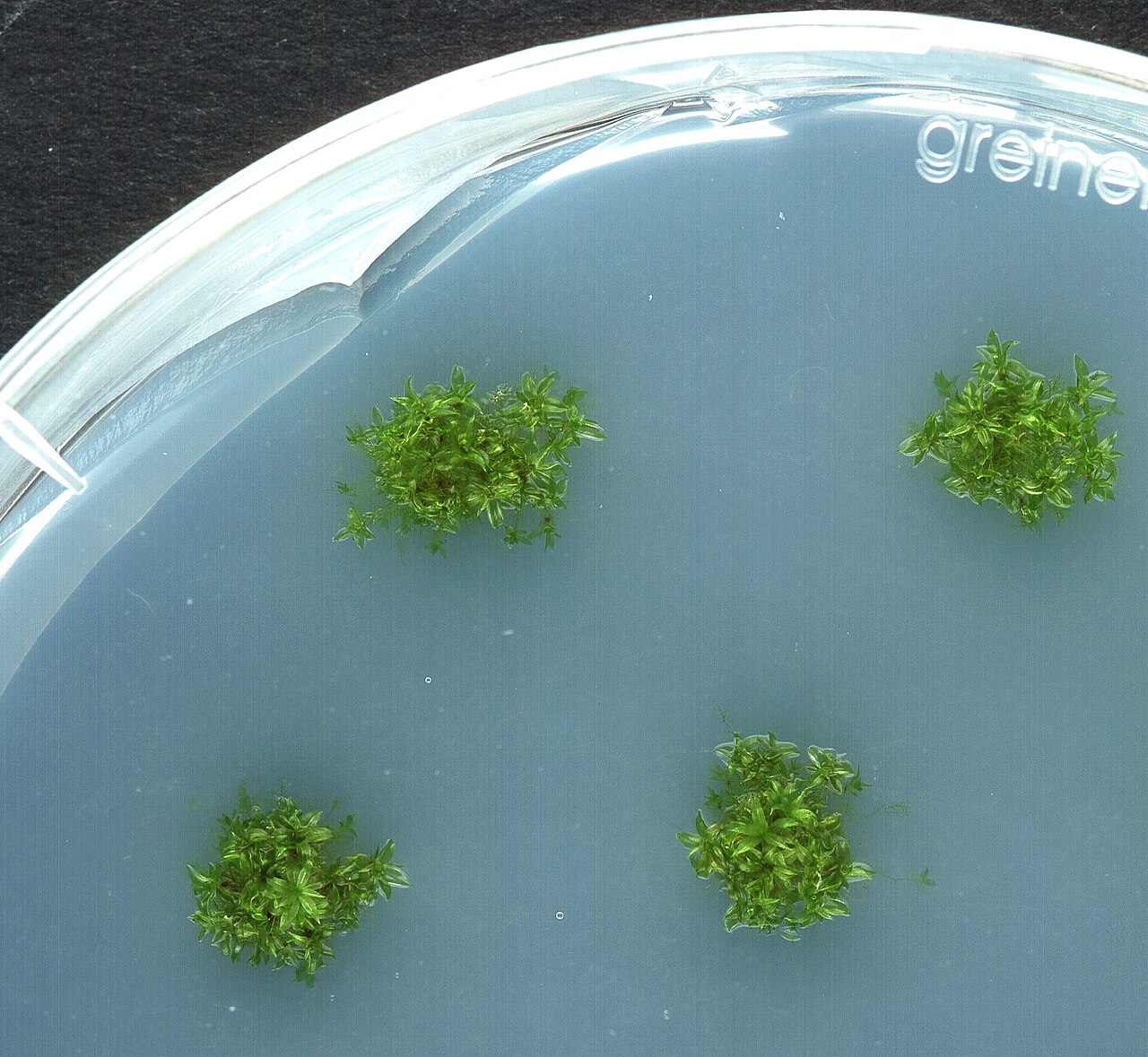
Basic components. Typical media contain a carbon source (sugars or organic compounds), nitrogen (peptides, amino acids or inorganic salts), minerals, a buffering system to control pH, and when required specific vitamins or growth factors. Solid media include a gelling agent that forms a stable surface; some cell culture media are supplemented with serum or defined protein substitutes. Media are formulated to meet the physiological needs of the intended culture, whether bacterial, fungal, plant or animal. For small plants such as moss, specialized plant media supply hormones and sucrose; see moss cultivation examples.
Image gallery
8 Images




Common categories of growth media
- Defined (synthetic): all chemical components are known; used to study metabolism and nutritional requirements.
- Complex (rich): contain digests of proteins or extracts (e.g., yeast extract) and support fast growth without defined composition.
- Selective: include agents that suppress unwanted organisms and favor target microbes.
- Differential: incorporate indicators that reveal metabolic traits (color changes, hemolysis).
- Enrichment and transport: favor growth of rare organisms or preserve samples during transport.
- Solid, liquid, semi-solid: formats chosen for isolation, broth growth, motility testing or biofilm studies.
Historical notes. The development of solid culture media in the late 19th century transformed microbiology. A seaweed-derived polysaccharide called agar became the standard solidifying agent after being introduced into laboratory practice; the Petri dish provided a convenient flat surface for colonies. These advances made it possible to obtain pure cultures and to link specific microbes to disease and physiology.
Major uses and examples. Growth media are central to clinical diagnostics (isolation and identification of pathogens, antibiotic susceptibility testing), research (studying genetics, metabolism, and cell behavior), and industry (fermentation for drugs, enzymes, foods). Typical names familiar from labs include nutrient agar, Luria–Bertani (LB) broth for bacteria, MacConkey and blood agar for clinical work, Sabouraud medium for fungi, Mueller–Hinton for susceptibility testing, and specialized media such as DMEM or RPMI for mammalian cell culture and MS medium for plant tissue culture. Media choice affects growth rate, morphology and experimental outcomes.
Preparation and practical considerations. Media are usually sterilized (autoclaving or filtration for heat-labile additives), prepared at controlled pH, and handled to avoid contamination. Storage conditions depend on composition; some components are added after sterilization. Biosafety containment and selective formulations reduce risk when working with pathogens. For cultured animal cells, aseptic technique and regular monitoring are essential to prevent microbial contamination and to maintain reproducible conditions for experiments involving cells.
Notable distinctions. Agar remains the favored solidifier because it stays firm at incubation temperatures and is not metabolized by most microbes; gelatin was used historically but melts at lower temperatures. Choosing between defined and complex media, or between selective and differential formulations, is a key decision that shapes experimental design and diagnostic accuracy.
Questions and answers
Q: What is a growth medium?
A: A growth medium or culture medium is a solid or liquid which contains nutrients to support the growth of microorganisms,cells or small plants like moss.
Q: What is the purpose of a growth medium?
A: It is designed to support the growth of microorganisms or cells, or small plants like moss.
Q: What does a growth medium contain?
A: A growth medium contains nutrients which are vital for the growth of microorganisms, cells, or small plants like moss
Q: How do you select a growth medium for a particular organism?
A: Different types of media are used for different types of cells. One should select a growth medium that is suitable for the particular organism they are trying to culture.
Q: What are some of the basic types of growth media used in biology?
A: Some of the basic types of growth media used in biology are solid or liquid.
Q: Why are there different types of growth media?
A: There are different types of growth media because different organisms require different nutrients to grow.
Q: What are the different types of organisms that can be grown using a growth medium?
A: A growth medium can be used to grow a wide range of organisms including microorganisms, cells, and small plants like moss.
Related articles
Author
AlegsaOnline.com Growth medium (culture medium): purpose, types, and preparation Leandro Alegsa
URL: https://en.alegsaonline.com/art/41076