
Three Kingdoms of Korea (Goguryeo, Baekje, Silla)
A concise encyclopedia overview of Korea's Three Kingdoms period (1st century BCE–7th century CE): key states, culture, rivalry, unification under Silla, sources, and lasting legacy.
The Three Kingdoms of Korea refers to the three major states—Goguryeo, Baekje and Silla—that dominated the Korean Peninsula and parts of northeastern Asia from roughly the last centuries BCE through the seventh century CE. These polities emerged from a patchwork of earlier tribal and chiefdom organizations and competed for territory, resources and influence. Their interactions shaped the political map, material culture and religious life of early Korea.
Image gallery
10 Images





Geography and political characteristics
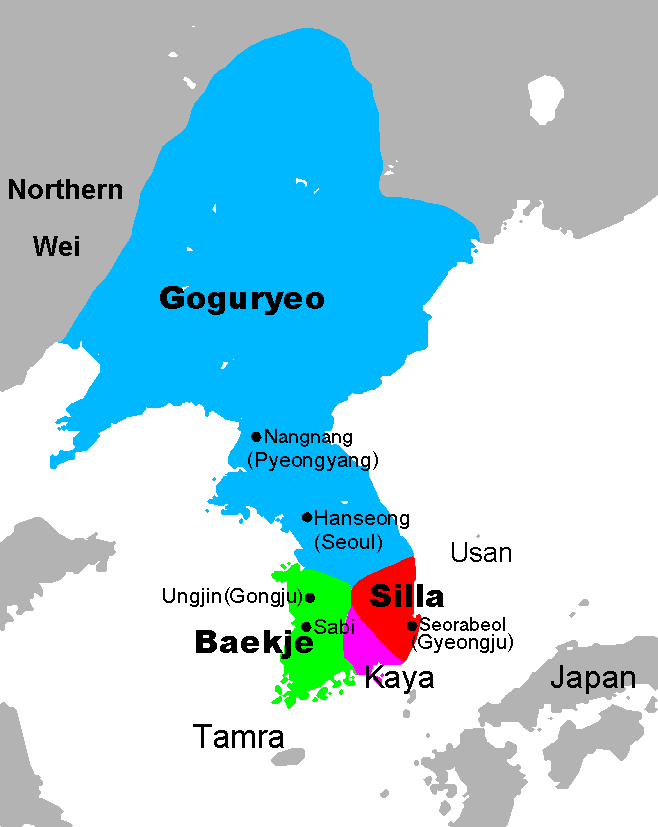
Goguryeo occupied the northern and central regions, extending into parts of Manchuria; Baekje controlled much of the southwest, and Silla occupied the southeast. Each kingdom had a distinct ruling elite, bureaucratic practices adapted from neighboring states, and military institutions. Economy combined agriculture, metallurgy and maritime trade; diplomacy and warfare with Chinese dynasties and emerging Japanese polities were recurring features.
Culture, religion and technology
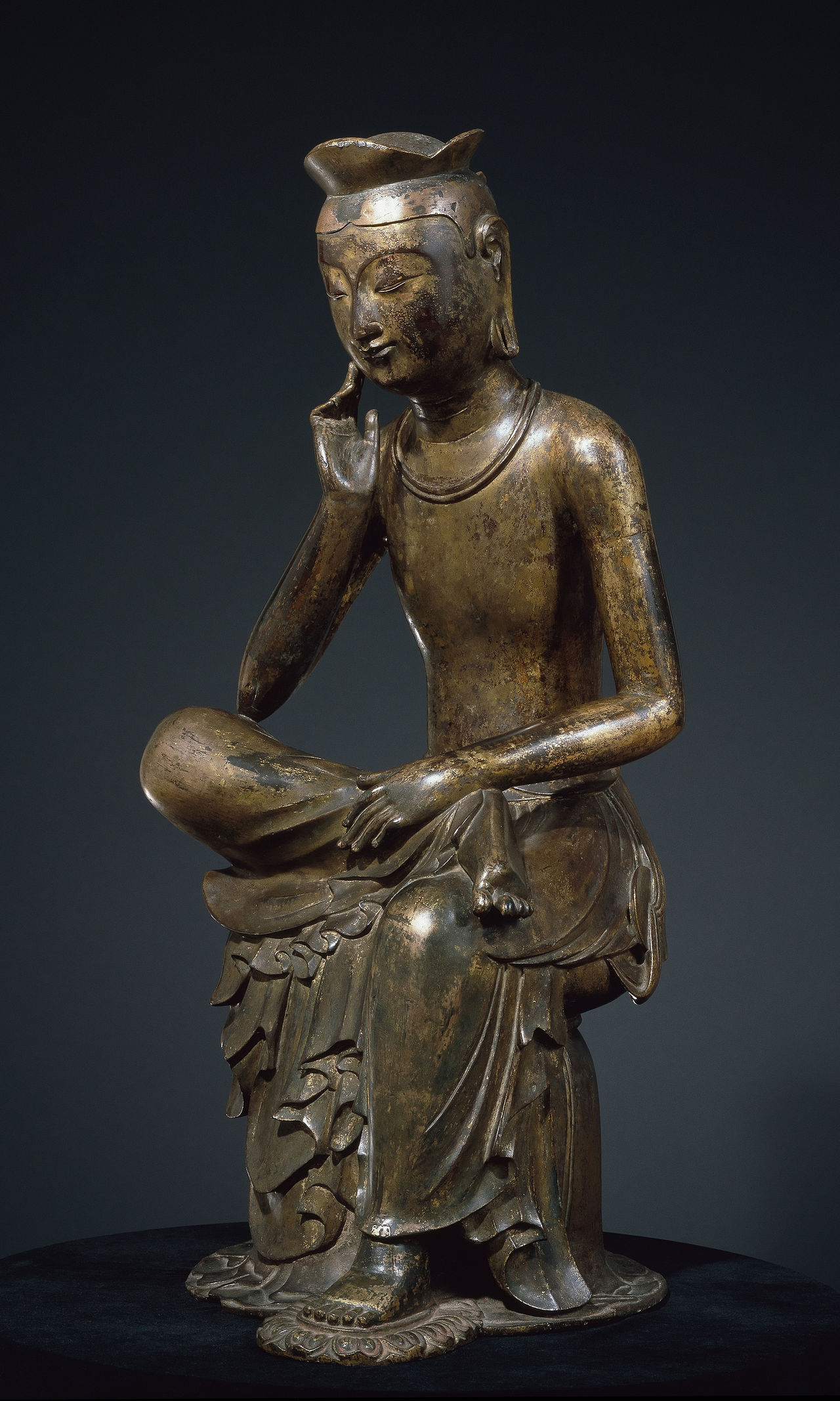
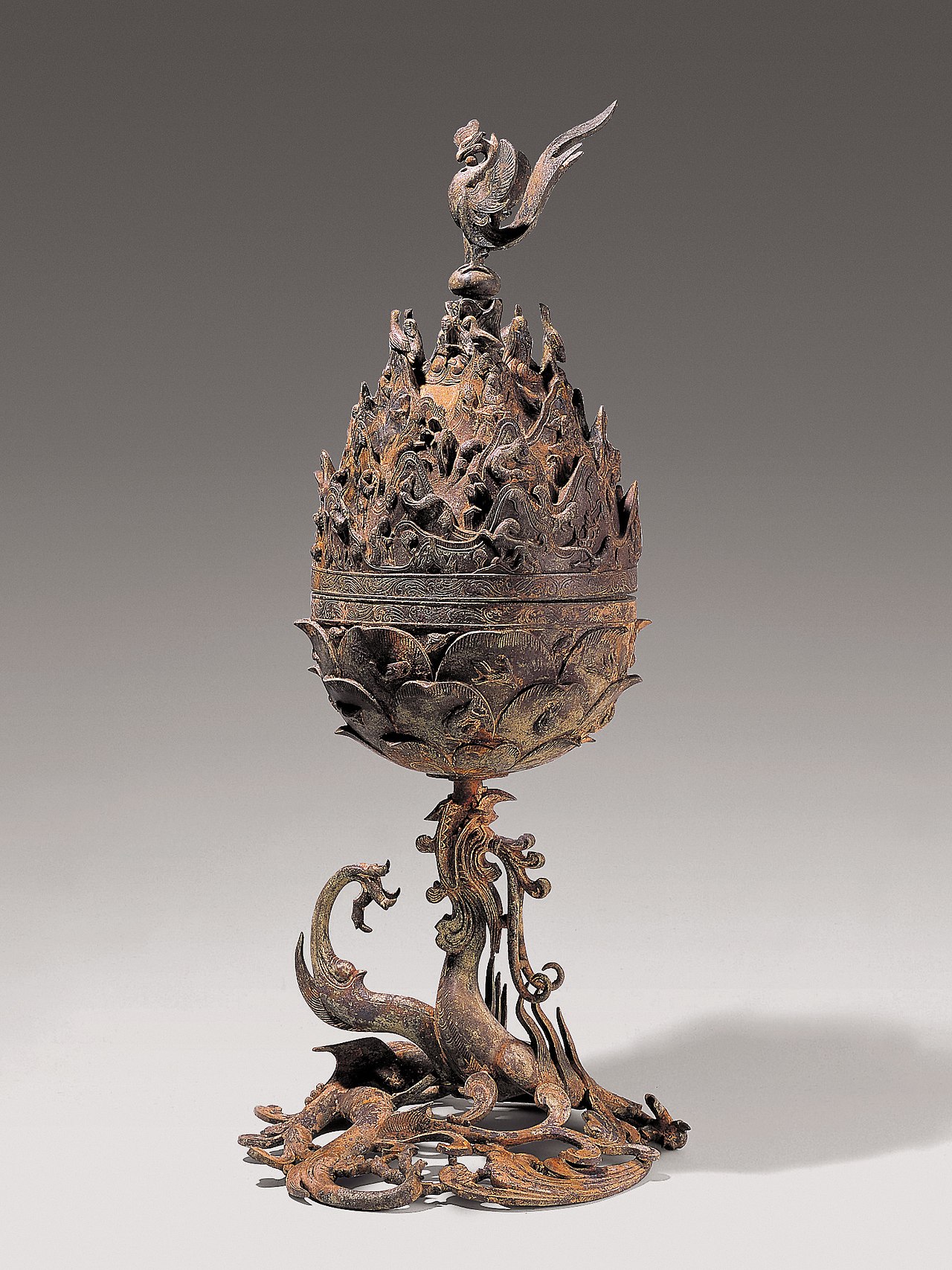
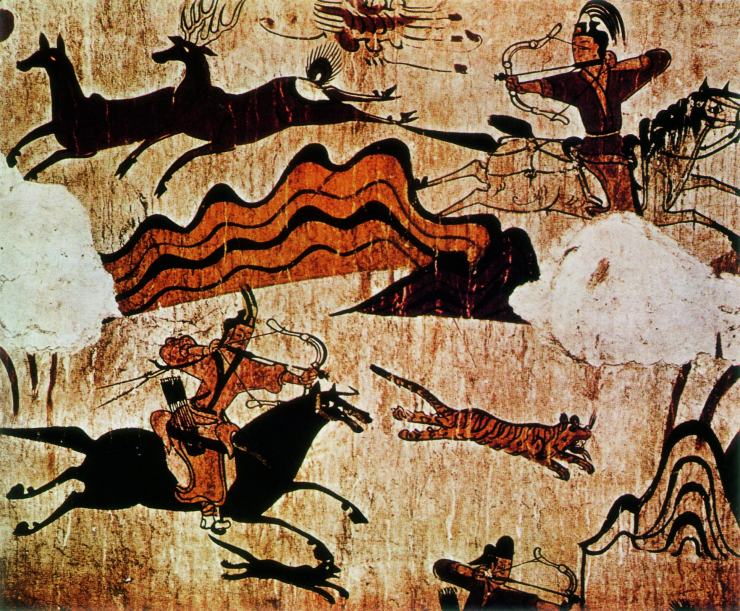
Buddhism, which reached the peninsula by way of China and Central Asia, became a major cultural force. In particular, Baekje is noted in historical sources for transmitting aspects of continental culture—such as Chinese characters (Chinese writing), ritual forms and Buddhist texts (Han Buddhism)—to the Japanese archipelago (Japan). Metalworking, pottery, fortress construction and distinctive funerary art (including tomb murals and stone memorials) are important archaeological markers of the period.
Smaller polities and regional complexity
Beyond the three dominant kingdoms, a variety of smaller states and confederations influenced regional dynamics. These included the Gaya confederacy, Dongye, Okjeo, Buyeo, Usan and Tamna. Some functioned as client states or buffer zones and were sometimes absorbed, allied with, or fought over by the larger kingdoms.
Conflict, alliances and the end of the period
Warfare, shifting alliances and dynastic ambition marked the era. In the middle of the seventh century, Silla formed a military alliance with the Chinese Tang dynasty to defeat its rivals; together they overthrew Baekje and Goguryeo, and by 668 the balance of power across the peninsula had shifted. The immediate result was political unification under what historians call Later Silla in the south, while northern territories experienced Tang occupation and later the emergence of new states such as Balhae. This transition led into the so-called North and South States period.
Sources and historiography
Contemporary knowledge of the Three Kingdoms comes from a mix of native histories and foreign records. Korean compilations such as the Hangul: 삼국 and the classical compilations recorded in works like the Hanja: 三國 traditions—most famously the Samguk Sagi and Samguk Yusa—are complemented by Chinese dynastic histories and Japanese chronicles. Archaeology has been vital to corroborate and expand the written record.
Legacy
- Political and cultural institutions from the Three Kingdoms period helped shape later Korean states.
- Religious and artistic developments—especially the adaptation of Buddhism and distinctive metal and ceramic styles—left lasting material and spiritual legacies.
- Interactions with neighboring polities influenced the transmission of writing, technology and religious ideas across East Asia.
Because the period produced diverse local traditions and competing claims in later histories, scholars approach primary texts cautiously and rely on multidisciplinary evidence. The Three Kingdoms remain a central subject for understanding early Korean identity, regional interaction in East Asia, and the archaeological roots of later Korean culture.
Related articles
Author
AlegsaOnline.com Three Kingdoms of Korea (Goguryeo, Baekje, Silla) Leandro Alegsa
URL: https://en.alegsaonline.com/art/99644