
Silla: an overview of the Korean kingdom (57 BC–935 AD)
Silla was a Korean kingdom (57 BC–935) centered on Gyeongju. It evolved distinctive institutions, adopted Buddhism, contributed major art and architecture, unified much of the peninsula, and later gave way to Goryeo.
Silla was an independent Korean kingdom traditionally dated from 57 BC to 935 AD, and is noted for being the longest‑lasting polity in early Korean history. Founded in the southeast around the city that later became Gyeongju, Silla began as a small tribal state and over centuries developed into a centralized monarchy. Its long span saw changes in government, religion, military power and material culture that shaped later Korean civilization.
Image gallery
10 Images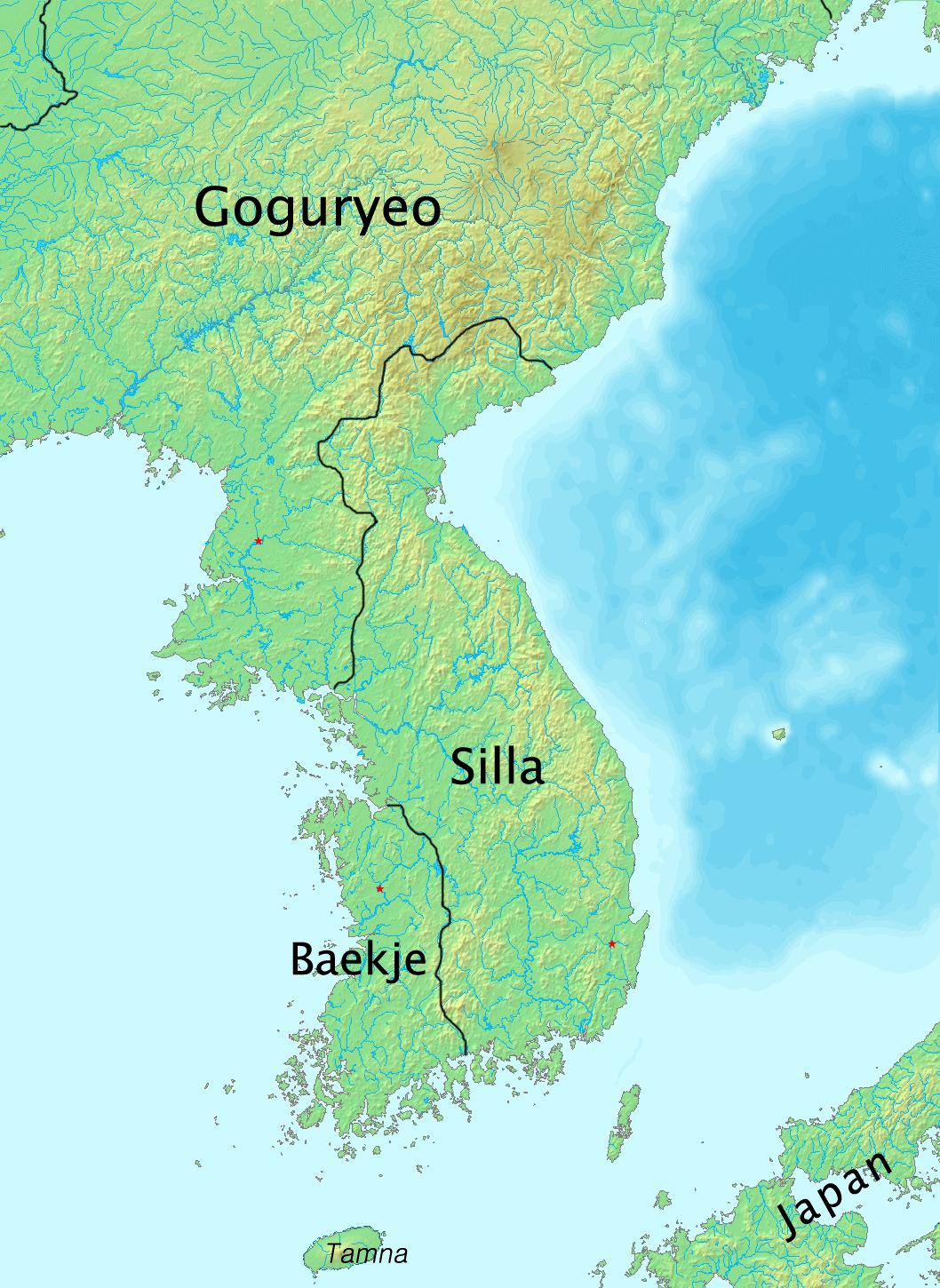




Origins and territorial growth
The founding of Silla is attributed to the legendary leader Park Hyeokgeose and the first settlements coalesced near what is now Gyeongju. Although Silla appears in the same era as neighboring polities such as Goguryeo and Baekje, it consolidated royal authority more slowly. From the fourth to sixth centuries Silla extended control over adjacent territories, and by the mid‑sixth century it had strengthened royal institutions enough to project power beyond its original core. Kings such as those of the sixth century pushed Silla into the Han River basin, increasing its strategic and economic position on the peninsula.
Political organization and society
Silla developed a distinctive aristocratic ordering often called the bone‑rank system, a hereditary hierarchy that regulated access to high office, marriage, and rank. This rigid social grading helped maintain elite cohesion but also constrained social mobility and administrative renewal. The court combined clan politics with emerging bureaucratic practices, while military and regional governors administered frontier areas as the kingdom expanded.
Buddhism, culture and the Hwarang
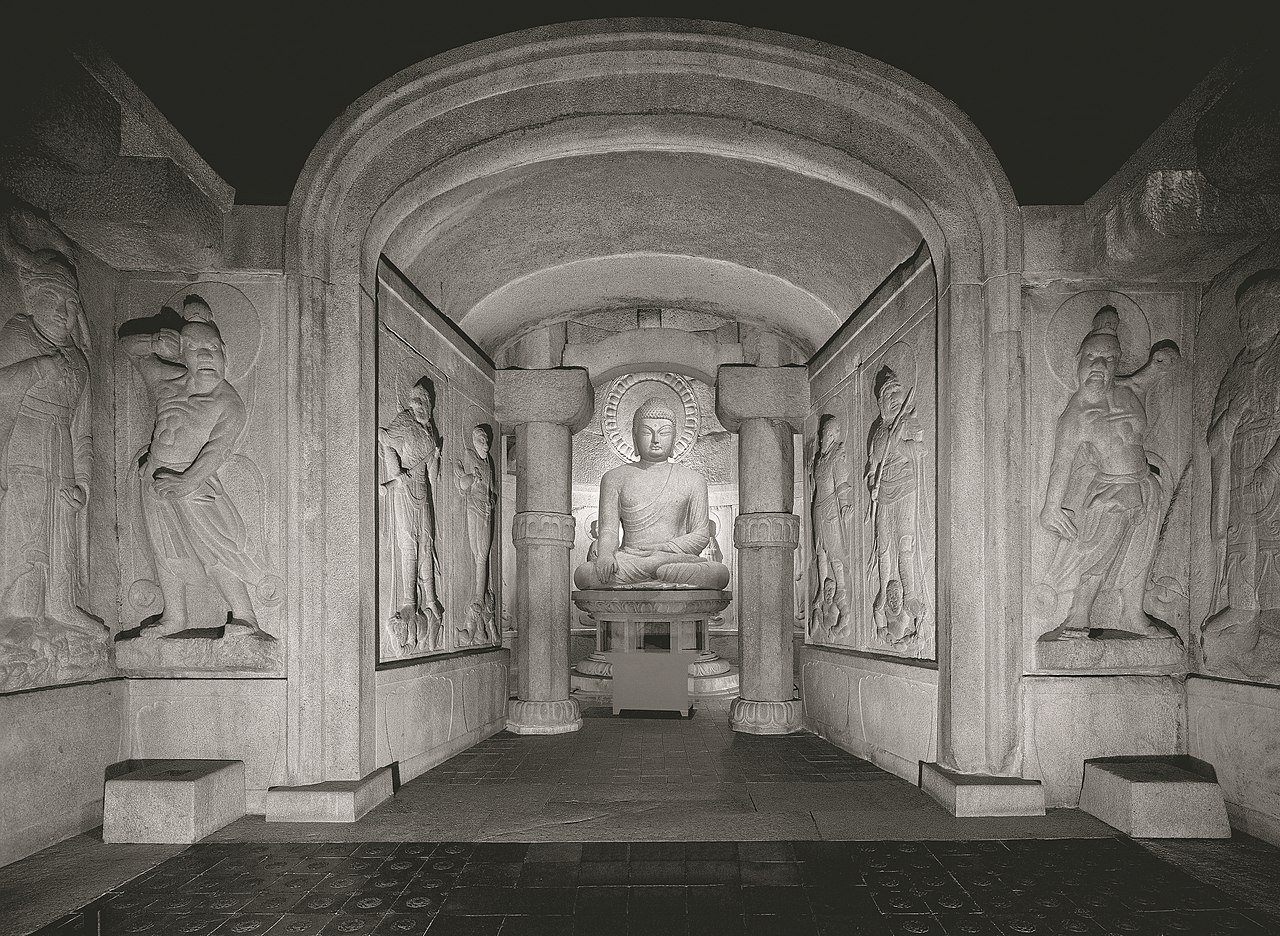
The official acceptance of Buddhism played a central role in Silla’s statecraft and cultural life. Buddhist institutions provided ideological support for the throne and stimulated artistic patronage: temple building, sculpture and metalwork flourished. Silla is especially associated with the Hwarang, an elite group of young aristocratic warriors trained in military skills, literature and ethics; they are often credited with helping to transmit courtly values and unify elite loyalties.
Unification of the peninsula and later decline
In the seventh century Silla allied with the Tang dynasty of China to defeat rival kingdoms, taking Baekje in 660 and Goguryeo in 668. This sequence of events allowed Silla to assert control over much of the southern and central peninsula in what historians call the Unified Silla period, though Tang influence and competing northern regimes complicated the aftermath. Over time internal aristocratic rivalry, land concentration and peasant unrest weakened royal authority. In the late ninth and early tenth centuries new regional powers rose: rebels and former generals established states such as Later Baekje under Gyeon Hwon and Taebong under Gung Ye. Silla, exhausted and fragmented, eventually yielded to the new dynasty that became Goryeo in 935.
Achievements and legacy
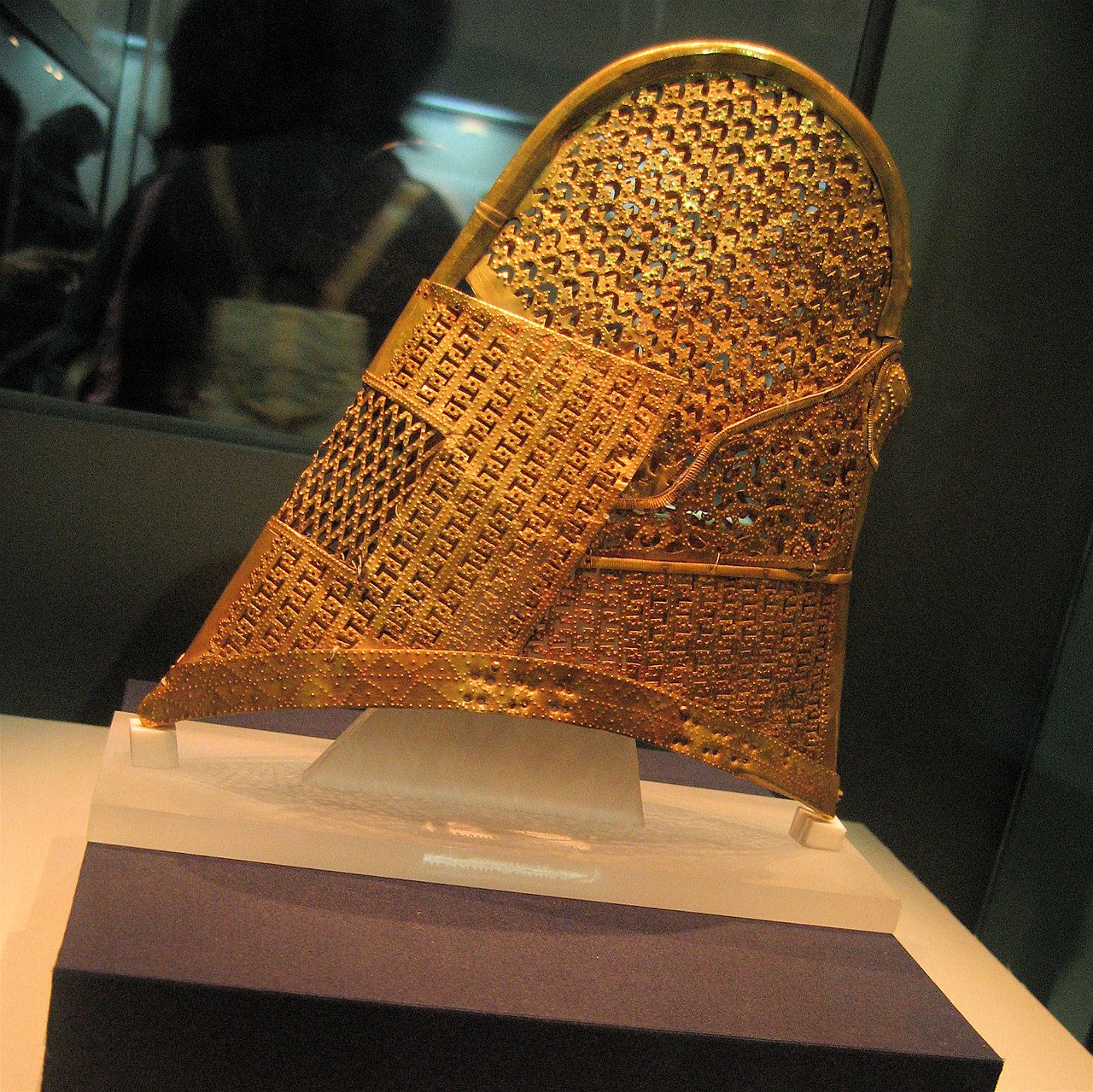
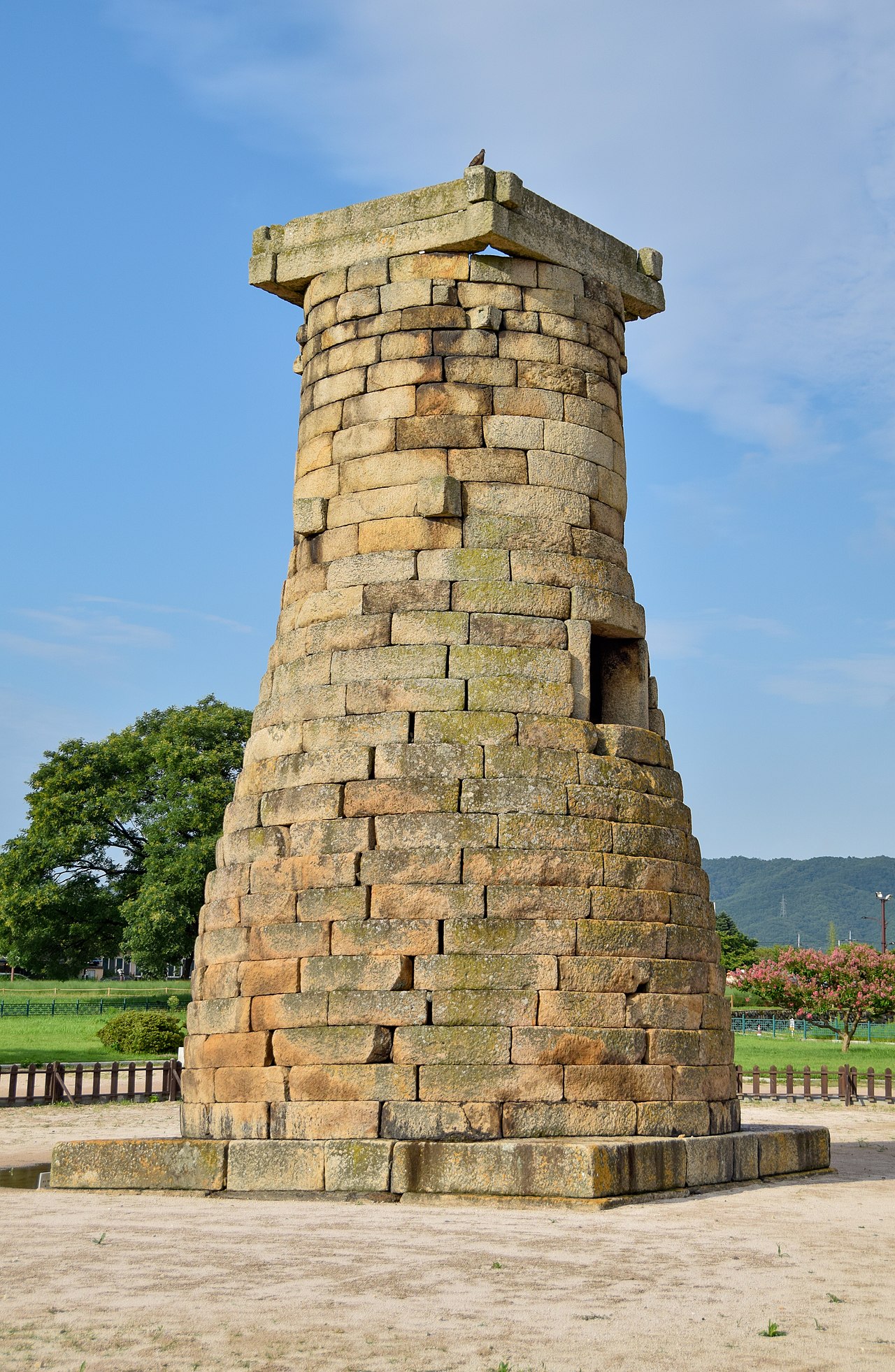
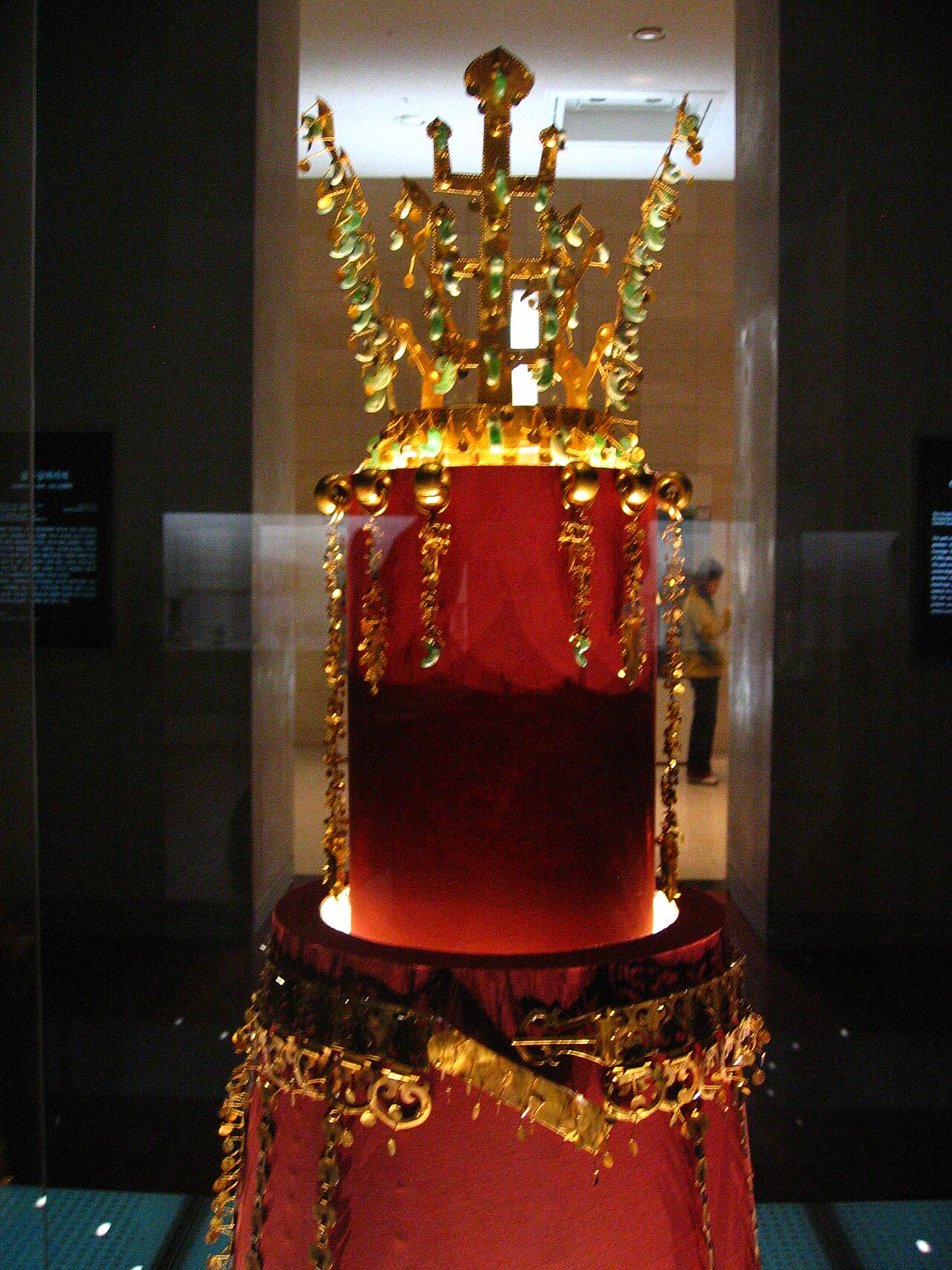
Silla’s long period produced important monuments, art and urban remains. The capital region around Gyeongju is notable for large tumuli, refined gold crowns, Buddhist sculpture and stone architecture that reflect a high degree of craftsmanship. Major surviving temples and grottoes testify to the kingdom’s religious and artistic patronage. The historical memory of Silla—its institutions, cultural expressions and role in unifying large parts of the peninsula—remains an important foundation for understanding medieval Korea.
- Founding figure: Park Hyeokgeose
- Capital: Gyeongju
- Contemporaries and rivals: Goguryeo, Baekje
- State religion influence: Buddhism
- Later challengers: Gung Ye, leaders of Later Baekje
- Successor dynasty: Goryeo
Silla’s blend of firm aristocratic order, Buddhist patronage and military organization created a distinctive political and cultural formation whose archaeological and documentary traces continue to be studied and visited today. For readers seeking more, follow resources linked in this article for museum catalogs, archaeological reports and overviews of Korean medieval history.
Questions and answers
Q: When did Silla exist in Korean history?
A: Silla existed from 57 BC to 935.
Q: Who founded Silla in 57 BC?
A: King Park Hyeokgeose founded Silla in 57 BC.
Q: How did Silla make its royal power stronger in the 6th century?
A: Silla made its royal power stronger by accepting Buddhism in the 6th century.
Q: Which important area in Korean history did Silla acquire around the 7th century?
A: Silla acquired the Han river area, which was the most important area in Korean history, around the 7th century.
Q: How did Silla conquer Baekje and Goguryeo?
A: Silla conquered Baekje in 660 and Goguryeo in 668 with the Tang Dynasty of China as an ally.
Q: Why did Silla collapse?
A: Silla collapsed because the king and noblemen indulged in extravagance, which provoked the people to rebellion.
Q: When did Silla surrender to Goryeo?
A: Silla surrendered to Goryeo in 935.
Related articles
Author
AlegsaOnline.com Silla: an overview of the Korean kingdom (57 BC–935 AD) Leandro Alegsa
URL: https://en.alegsaonline.com/art/90422
Sources
- enc.daum.net : Daum
- shilla.or.kr : shilla.or.kr/