
Baekje: ancient Korean kingdom (18 BCE–660 CE)
Baekje was a major Korean kingdom from the late first millennium BCE to 660 CE, noted for maritime trade, cultural exchange with Japan and China, and distinctive Buddhist-era art and craft.
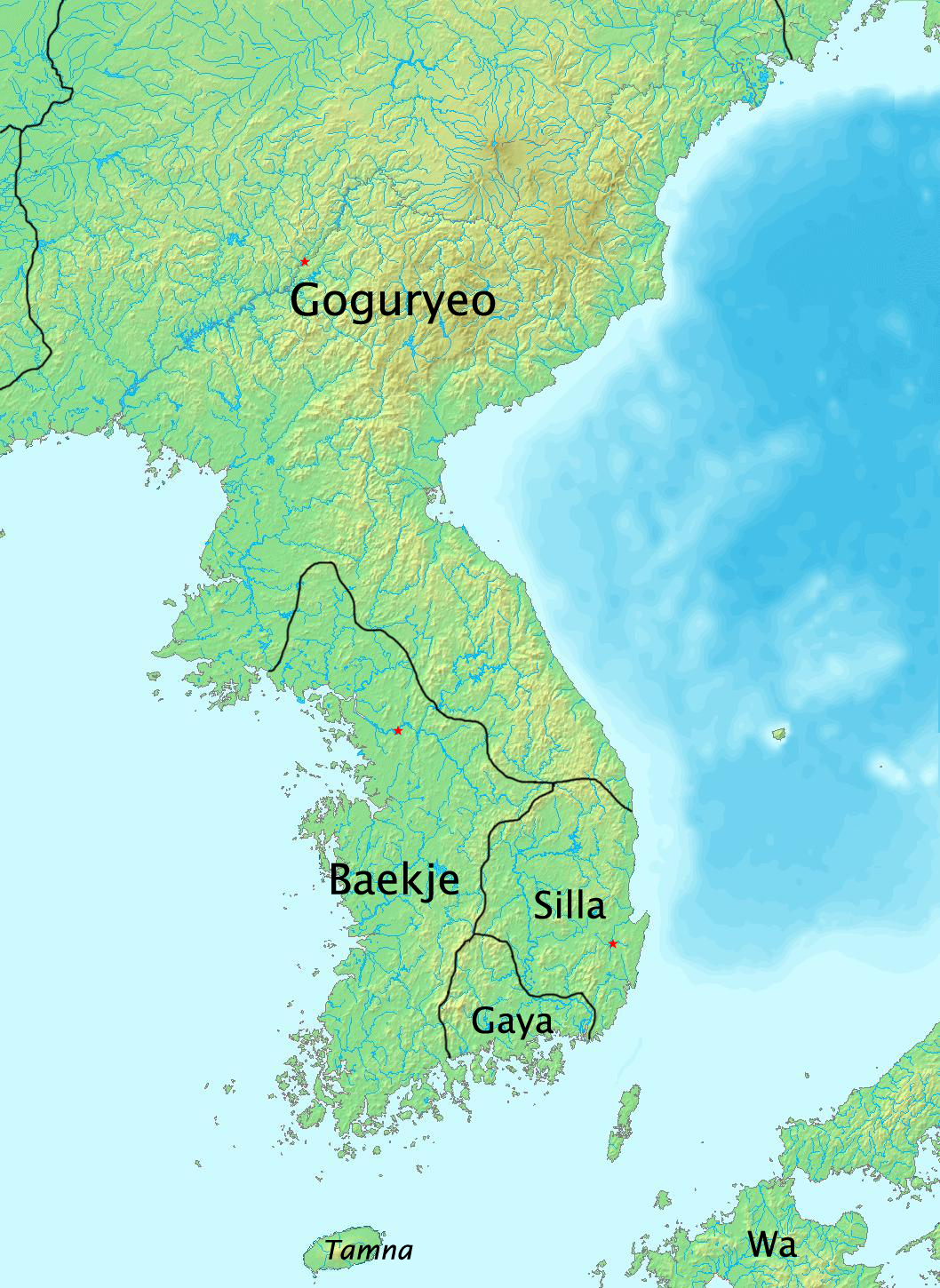
Baekje was an ancient Korean kingdom that occupied parts of the southwestern Korean Peninsula from the traditional founding date of 18 BCE until its fall in 660 CE. It is known in some sources as Nam Buyeo and is counted among the Three Kingdoms of Korea alongside Goguryeo and Silla. The founding story preserved in early Korean chronicles credits a leader named Onjo with establishing the polity at Wiryeseong near the lower Han River; later accounts and archaeological study show a more complex process of state formation involving regional chieftains and clans.
Image gallery
10 Images




Origins and political development
Traditional histories trace Baekje's origin to migration and consolidation in the Han River basin, after which it expanded to control much of the southern peninsula by the fourth century. Its early royal seat at Wiryeseong (in the area of present-day Seoul) was lost following military pressure from northern states; the capital was relocated to Ungjin (near modern Gongju) and later to Sabi (near modern Buyeo) during internal reorganization and reforms. Under energetic rulers Baekje developed a network of aristocratic lineages, a court-centered administration, and military and naval capabilities that supported both inland control and overseas exchange.
Culture, religion, and foreign relations
Baekje adopted and adapted continental institutions and beliefs, most notably Buddhism, which influenced art, court ritual, and architecture. The kingdom had active diplomatic and commercial ties with Chinese polities to the west and with the rising powers of Japan to the east. These connections were two-way: Baekje imported books, artisans, and Buddhist teachers while transmitting pottery styles, architectural ideas, and religious practices to the Japanese archipelago, where links with the Kofun period elite are especially well documented. Maritime trade and cultural exchange also brought Baekje into frequent contact with various Chinese dynasties China and neighboring states.
Art, craft, and society
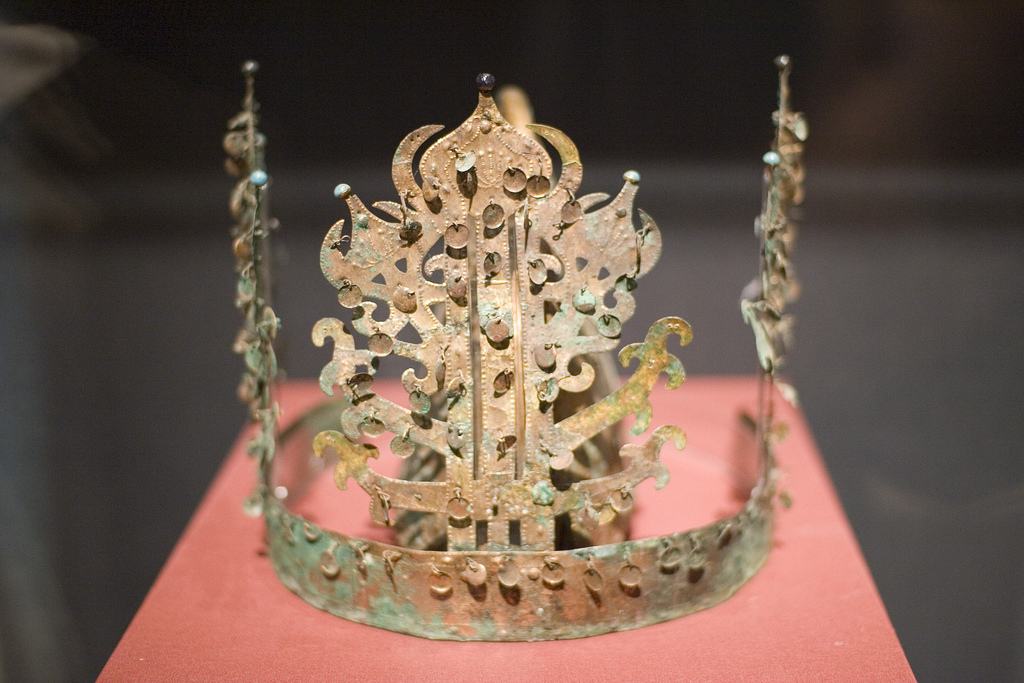
Baekje artisans became renowned for elegant ceramics, gilt-bronze Buddhist images, and sophisticated wooden architecture. These artistic qualities had long influence beyond the kingdom's borders; for example, pottery techniques and decorative motifs were transmitted alongside religious and technical knowledge, including metalworking and writing practices. Archaeological finds and surviving artifacts illustrate a society with skilled craftsmen, aristocratic patronage, and a court that valued both ceremony and international prestige.
Decline, fall, and attempts at restoration
From the fifth century Baekje faced sustained pressure from northern rivals and shifting alliances among the peninsula's states. A devastating loss of territory forced the court to relocate and rebuild political institutions. In 538 (traditional date) King Seong moved the capital to Sabi in an effort to revitalize the kingdom. Ultimately Baekje fell to a military alliance between Silla and Tang China in 660 CE; the capture of the last king and the absorption of the state ended Baekje's independent rule. In the years that followed, remnants of the royal house and foreign allies, notably forces from the Japanese court, attempted to restore Baekje but were defeated, most decisively at battles that removed organized resistance.
Legacy and modern recognition
Baekje's cultural imprint endures in the region's art, archaeology, and historical memory. Excavated fortresses, tombs, and temple sites yield material evidence of its architecture and religious life, and several historic locations associated with Baekje have been recognized for their universal value. Modern scholarship and preservation projects study Baekje's role in East Asian history, its exchanges with neighboring polities, and its continuing influence on craft traditions such as pottery. The kingdom also figures in popular historical narratives, reenactments, and educational programs across Korea and in neighboring countries.
- Key traits: maritime commerce, Buddhist patronage, court arts, diplomatic exchange.
- Major contacts: China, Japan, and regional polities of the Korean peninsula.
- Historical sources: early chronicles, inscriptions, and archaeological evidence corroborate and complicate traditional accounts.
For further reading and primary-source summaries see collections that discuss the Three Kingdoms period and Baekje's relations with contemporary polities in East Asia, including material that connects the kingdom to the cultural developments of the Three Kingdoms era and exchanges recorded in Japanese sources from the Kofun period and later chronicles. Specialized studies examine Baekje's religious transmission, artistic styles, and the archaeological record of its capitals and fortifications in more detail.
See also referenced discussions of regional dynamics involving the Korean Peninsula, early state formation, and the cross-cultural movement of ideas and goods that shaped East Asia during the first millennium CE.
Related articles
Author
AlegsaOnline.com Baekje: ancient Korean kingdom (18 BCE–660 CE) Leandro Alegsa
URL: https://en.alegsaonline.com/art/8235