
Hanja: Chinese characters used in Korean writing
Hanja are Chinese characters borrowed into Korean. This article explains their features, history, readings, modern role in South and North Korea, education, and distinctions from Hangul and other East Asian scripts.
Overview
Hanja (한자) is the Korean term for the Chinese characters adopted into Korean writing. These logographic symbols represent morphemes and are used to record words of Chinese origin as well as native Korean vocabulary that has been associated with Chinese characters. When discussing the relationship with the Korean language one may see Korean and Chinese noted separately to describe the source and recipient languages. Hanja are usually read according to Sino‑Korean pronunciations that differ from native Korean readings and from modern Mandarin or other Chinese varieties.
Image gallery
8 Images



Characteristics and readings
Most hanja correspond directly to characters found in traditional Chinese character sets; Korea did not independently simplify large numbers of characters as mainland China later did. A minority of characters, sometimes called Korean‑created characters or gukja, are unique to Korean usage. The relationship between a hanja character and Korean speech typically involves a Sino‑Korean reading (used in compound words) and sometimes a native Korean meaning. For pronunciation and teaching purposes, hanja are paired with Korean pronunciations or explained alongside the phonetic script Hangul, which is a distinct phonemic alphabet invented in the 1440s. Discussion of how hanja map to sound often contrasts logography with a phonetic alphabet approach to writing.
History and development
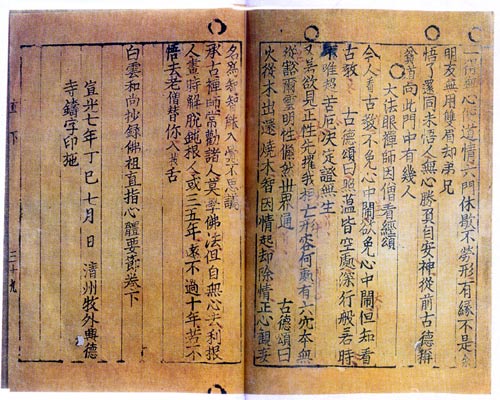
Hanja were introduced to the Korean peninsula via cultural and political contact with China and were the primary medium of literacy for centuries. Korean scholars produced works in Classical Chinese (hanmun) and used hanja to write official records, poetry, philosophy, and legal texts. In the 1440s a new alphabetic system created under King Sejong provided a simpler way to represent spoken Korean, but for many centuries hanja and Classical Chinese remained dominant for formal and scholarly writing. Over the 19th and 20th centuries, increasing literacy in Hangul shifted everyday writing toward the alphabet, while hanja remained important in specialized contexts.
Modern role and regional differences
In contemporary South Korea, Hangul is the official and predominant script, yet hanja still appear in newspapers, academic texts, legal documents, and personal names to clarify meaning and etymology. Many Korean vocabulary items derive from hanja roots (Sino‑Korean vocabulary), so knowledge of hanja helps with comprehension, especially of compound words. By contrast, in North Korea hanja use was largely eliminated during 20th‑century language reforms and writing is almost exclusively in Hangul. Elsewhere in East Asia, the same basic characters are known as hanzi in Chinese and kanji in Japanese, each with their own history and local adaptations.
Education, literacy, and technology
South Korean students typically study a selection of common hanja characters in school to help with vocabulary, historical texts, and names. Scholars of history and classical literature often learn a wider range to access pre‑modern sources written in Classical Chinese. In computing and digital text, hanja are encoded within the unified CJK character sets of Unicode, and modern input methods allow users to type Hangul and convert syllables into hanja when desired. This technological support preserves practical access to hanja even as daily communication favors Hangul.
Notable distinctions and facts
- Hanja and hanmun: "hanja" denotes the characters themselves, while hanmun refers to classical Chinese texts; the terms overlap in usage.
- Character forms: Korean hanja closely match traditional Chinese glyphs; simplified characters used in mainland China are generally not the standard in Korea.
- Unique Korean characters: a limited set of characters were developed or standardized in Korea and do not always match forms used elsewhere.
- Practical uses: names, legal terminology, academic citations, and disambiguation in print are common reasons hanja remain in use.
For readers seeking further background, introductory resources on historical Korean scripts, the invention of Hangul, Sino‑Korean vocabulary, and comparisons with Chinese and Japanese character use can provide useful context. See general overviews or language history materials at pronunciation resources and reference portals such as Korean language introductions and Chinese character studies; further academic and governmental publications discuss educational policy and script reform in both South and North Korea as well as broader East Asian contexts (writing systems, Sejong's reforms, and comparative script policy at Hangul resources). Additional institutional or library guides often use placeholders for digitized primary texts or corpora (regional archives) that present hanja in historical documents.
Questions and answers
Q: What is Hanja?
A: Hanja is the Korean word for Chinese characters. It refers to Chinese characters that have been borrowed from the Chinese language and used in the Korean language with Korean pronunciation.
Q: What is Hanmun?
A: Hanmun (한문) is about the Chinese Classical writing, but hanja can sometimes be used to generally mean hanmun too.
Q: How has Hanja changed over time?
A: Hanja has not changed much over time, so almost all of the Chinese characters in hanja are exactly the same as in traditional Chinese, except maybe the stroke order for a few words. Only a few hanja characters are unique to Korea.
Q: When was hangul created?
A: Hangul was created in 1440s by a group of scholars led by King Sejong the Great.
Q: When did hangul become more widely used than hanja?
A: By early 19th and 20th century, hangul became more widely used than hanja and it is now the official writing system of Korea.
Q: Are older books written in hanja or hangul?
A: Older books in Korean literature are mostly written in hanjal.
Q: Do people still learn hanja today?
A: Scholars who learn Korean history still learn hanja to read historical papers and children in South Korea still learn it since many South Korean words still have roots in hanja. In North Korea however, they only use hangul to write instead of both hangul and hanjal
Related articles
Author
AlegsaOnline.com Hanja: Chinese characters used in Korean writing Leandro Alegsa
URL: https://en.alegsaonline.com/art/42215
Sources
- books.google.com : A History of Writing