
Timeline of prehistoric Britain (to 1 BC)
A concise, structured account of Britain’s prehistory up to 1 BC, outlining major periods, key sites and technologies, environmental change, and how archaeologists reconstruct that long sequence.
The prehistory of Britain covers the long span of human activity on the islands before contemporary written records. Archaeological evidence—fieldwork, excavation and scientific dating—provides the basis for building a timeline from the earliest occupations through the Mesolithic, Neolithic, Bronze Age and Iron Age down to the century before the Roman conquest. For introductions and further reading see prehistory, regional overviews at Britain, and archaeological methodology at archaeology.
Image gallery
5 Images


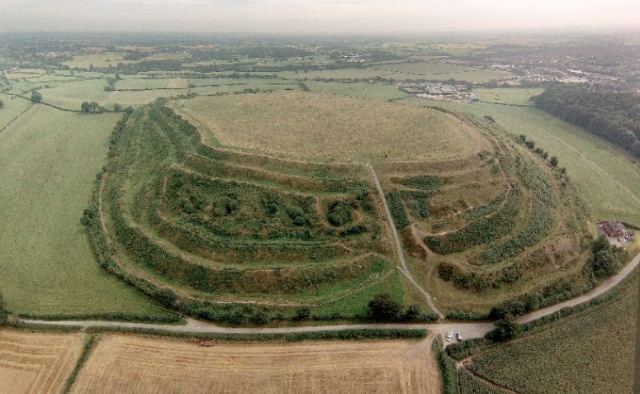
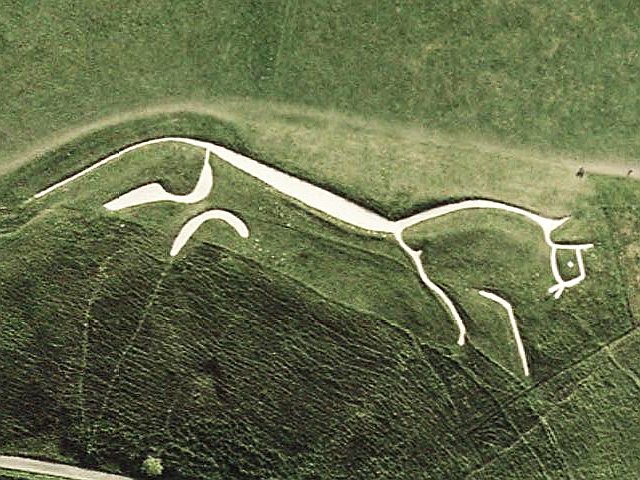
Major chronological phases
- Palaeolithic — intermittent hunter‑gatherer presence during warm intervals of the Ice Age; stone tools and occasional sites attest to human groups by hundreds of thousands of years ago.
- Mesolithic — seen after the last Ice Age when seas and landscapes stabilised; mobile hunters, fishers and foragers adapted to rising sea levels and shifting resources.
- Neolithic — introduction of farming, settled communities and monumental constructions such as ceremonial earthen and stone works.
- Bronze Age — widespread metalworking and long‑distance exchange; changes in burial, economy and social display.
- Iron Age — regional variations, hillforts and increasing continental influence before the Roman arrival; cultural and technological continuities to 1 BC.
Key developments include the submergence of lowland plains by rising seas (creating the North Sea basin and isolating the islands), the spread of farming and livestock, the appearance of metalworking technologies and new burial rites. Iconic sites and types — large stone circles, timber and earthen monuments, hillforts, richly furnished graves and hoards — illustrate changing beliefs, social organisation and craft skill.
Archaeologists reconstruct chronology and lifeways using stratigraphy, radiocarbon dating, environmental proxies such as pollen and sediments, and analysis of artifacts and ancient DNA. These techniques let researchers trace migrations, trade networks and the tempo of cultural change without contemporary texts.
The prehistoric timeline of Britain shows gradual yet profound transformation from small mobile groups to farming communities and complex societies by the first century BC. Regional diversity, environmental change and contact with continental Europe shaped local trajectories that would feed into the historic era.
Related articles
Author
AlegsaOnline.com Timeline of prehistoric Britain (to 1 BC) Leandro Alegsa
URL: https://en.alegsaonline.com/art/99956
Sources
- nature.com : nature.com/articles/nature09117?error=cookies_not_supported&code=f3cd97ea-8aee-44ed-a794-…
- nature.com : "Catastrophic flooding origin of shelf valley systems in the English Channel"
- ui.adsabs.harvard.edu : 2007Natur.448..342G
- doi.org : 10.1038/nature06018
- pubmed.ncbi.nlm.nih.gov : 17637667