
The Pillow Book (Makura no Sōshi) — Sei Shōnagon's Heian-era diary
A Heian-period collection of lists, observations and essays by court lady Sei Shōnagon. The Pillow Book records daily life, nature, aesthetics and social detail, and helped define the zuihitsu literary form.
Overview
The Pillow Book (Makura no Sōshi) is a compact, vividly personal collection of writings composed around the turn of the 11th century by the court lady Sei Shōnagon. Written while she served Empress Teishi (also called Sadako) at the Heian court, the work mixes short vignettes, descriptive passages, ranked lists and aphorisms. Its voice is immediate and observant: the author records what she notices about people, seasonal scenes, ceremonies and the often-fussy routines of aristocratic life.
Image gallery
2 Images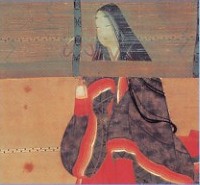

Form and themes
The Pillow Book exemplifies the Japanese zuihitsu genre — a loose, associative form that moves between topics without a strict narrative. Entries range from single-line epigrams to longer essays. Frequent themes include court manners, clothing and fashion, the beauty of nature, personal dislikes and delights, and refined aesthetic ideas such as the appreciation of impermanence and subtlety. The book is valued for both its precise, often witty details and for the way it reveals female perspective within a restrictive social setting.
Stylistically the text alternates anecdote, list and poetic description. Some passages read like a diary; others are organized lists (for example, lists of things considered charming or irritating). Together they create a textured portrait of daily life at the imperial court and a highly individual human presence behind the observations.
History and manuscripts
Composed in classical Japanese, The Pillow Book was not published as a single, fixed edition in Sei Shōnagon’s lifetime. Over subsequent centuries scribes copied and sometimes rearranged or omitted material; as a result several textual traditions and variant manuscripts survive. Scholars reconstruct the work by comparing these versions and by considering internal evidence of authorship and dating.
Significance and legacy
The Pillow Book is a cornerstone of Heian literature and is often paired in reputation with The Tale of Genji as one of the era’s greatest prose works. It offers historians, literary scholars and general readers an intimate window into aristocratic culture, court rituals and medieval Japanese aesthetics. Its lively, episodic format has influenced later writers and remains widely read and translated today.
Further reading and resources
- General introduction to The Pillow Book
- Biography of Sei Shōnagon
- Excerpts and translated selections
- Heian-period court life overview
- Study of zuihitsu and related forms
- Comparisons with The Tale of Genji
- Manuscript traditions and textual criticism
- Annotated editions and scholarly commentary
- Modern translations and their approaches
- The Pillow Book in modern culture
- Aesthetic values in Heian poetry and prose
- Teaching resources and classroom guides
- Collections of primary-source Heian literature
Related articles
Author
AlegsaOnline.com The Pillow Book (Makura no Sōshi) — Sei Shōnagon's Heian-era diary Leandro Alegsa
URL: https://en.alegsaonline.com/art/98625