
The Power of One: Bryce Courtenay's coming-of-age novel
A comprehensive overview of Bryce Courtenay's 1989 novel The Power of One: its plot, characters, themes, historical setting, narration, reception and film adaptation.
The Power of One is a coming-of-age novel by Australian writer Bryce Courtenay, first published in 1989. Set in South Africa during the 1930s and 1940s, the book follows an Anglo-African boy who grows into adulthood under difficult circumstances and adopts the nickname Peekay. The work is frequently discussed as a blend of fiction and elements from the author’s life and has become widely read for its emotional directness and memorable characters. For basic publication details see the primary entry for the book: The Power of One.
Image gallery
1 Image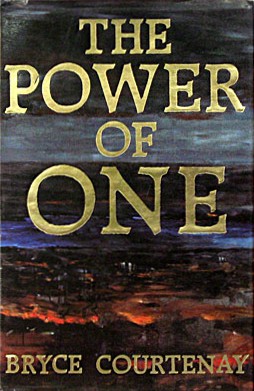
Overview and plot outline
The narrative charts the protagonist’s journey from an isolated childhood in rural boarding schools to a young man who seeks dignity and self-mastery through education, friendship and sport. Told in the first person by an adult narrator looking back, the story concentrates on formative relationships—teachers, mentors and friends—rather than exhaustive scene-setting. The protagonist’s nickname, Peekay, is explained in the book and, according to the author, has its origins in an earlier Afrikaans moniker; Courtenay has noted the link to a crude childhood nickname in Afrikaans used by other boys.
Structure, characters and style
The novel is organized as a series of episodes that emphasize character development and moral lessons. Its narrator speaks directly to the reader, offering introspection about fear, resilience and ethical choices. Major recurring figures include mentors who teach boxing, music, and scholarship; antagonistic forces that embody the racial and social tensions of the era; and close friendships that shape the hero’s outlook. The prose balances straightforward storytelling with reflective passages, making moral themes explicit without heavy allegory.
Themes and significance
Key themes include personal empowerment, the limits and consequences of prejudice, the importance of mentors and the redemptive potential of learning and discipline. Sport—particularly boxing—serves as a recurring motif for self-control and confidence. The novel also explores the social backdrop of segregation and racial hierarchy in South Africa, showing how broader political and cultural forces intersect with individual lives. Readers and critics often point to the book’s optimistic emphasis on individual agency, balanced by sober depictions of cruelty and injustice.
History, reception and adaptations
Upon publication the novel gained a large readership internationally and has been translated into multiple languages; it has been described as both popular fiction and inspirational literature. In 1992 a film adaptation was released, bringing the story to a wider audience and prompting renewed interest in the book. The novel’s status has prompted discussion about its autobiographical elements and the ways fiction can draw on personal memory to address broader social themes. For commentary on its narrative approach, readers can consult material on storytelling and first-person reflection: narrative style and perspective.
Notable distinctions and legacy
- The book is often cited for its accessible blend of adventure, moral instruction and historical context.
- Its use of mentorship and sport as vehicles for personal growth is a distinguishing feature.
- While popular with many readers, it has also generated critical debate about representation, memory and the portrayal of historical social realities.
Overall, The Power of One remains a frequently read modern novel that combines an intimate, reflective voice with broad themes about courage, identity and the influence of teaching figures. Its continued presence in print and adaptation into other media testify to its enduring appeal for readers interested in personal transformation set against turbulent times.
Questions and answers
Q: Who is the author of The Power of One?
A: The author of The Power of One is Bryce Courtenay.
Q: When was The Power of One first published?
A: The Power of One was first published in 1989.
Q: Where does the story take place?
A: The story takes place in South Africa during the 1930s and 1940s.
Q: Who is the main character in The Power of One?
A: The main character in The Power of One is an Anglo-African boy who is nicknamed Peekay.
Q: What is the author's explanation for the nickname Peekay?
A: The author explains that Peekay is a reference to his earlier nickname "Pisskop", which means "Pisshead" in Afrikaans.
Q: What is the perspective from which the story is written?
A: The story is written from the first person perspective, with Peekay telling the story as an adult looking back.
Q: Was The Power of One adapted into a film?
A: Yes, The Power of One was adapted into a film and released in 1992.
Related articles
Author
AlegsaOnline.com The Power of One: Bryce Courtenay's coming-of-age novel Leandro Alegsa
URL: https://en.alegsaonline.com/art/98654