
The Pirates of Penzance
A comic two-act operetta by Gilbert and Sullivan, first staged in London in 1880. Known for its satire, memorable characters and the famous Major-General patter song, it remains popular in theatre revivals.
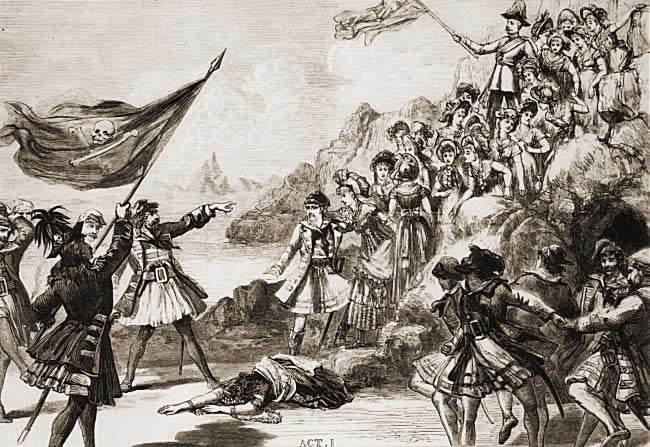
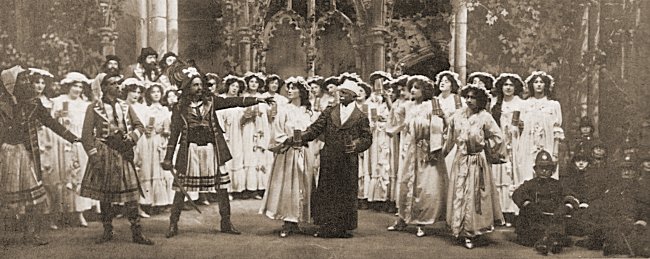
The Pirates of Penzance, or The Slave of Duty, is a two-act comic operetta by the team of Gilbert and Sullivan. Combining witty verse, light-hearted satire and catchy melodies, it is one of the best known of their collaborations. The work balances spoken dialogue with musical numbers and spoken recitative in the style of late-19th-century English operetta. It is conventionally described as an operetta rather than a full-scale opera.
Image gallery
10 Images






Characteristics and plot
The piece follows the young sailor Frederic, his devotion to duty, and his love for the beautiful Mabel. Complications arise from Frederic's apprenticeship to a band of tender-hearted pirates, the conniving Major-General Stanley and his large family, and the bumbling island police. The libretto is notable for its topsy-turvy logic, satire of Victorian institutions and rapid-fire patter sections.
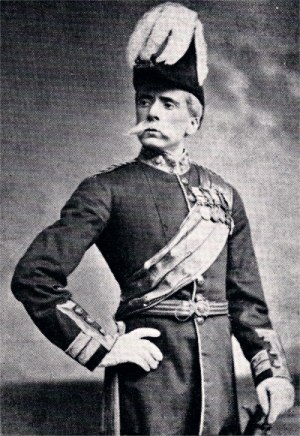
- Main characters: Frederic, Mabel, the Pirate King, Ruth (a former pirate), Major-General Stanley, and the Sergeant of Police.
- Notable musical numbers: the patter aria commonly called "I am the very model of a modern Major-General," touching love songs, ensemble finales and choral pieces.
History and original production
The operetta opened in London on 3 April 1880 at the Opera Comique and, according to contemporary accounts, ran for almost a year with many performances. It was the fifth of fourteen full-length Gilbert and Sullivan stage works. The piece was created during a period when its authors were steadily refining a blend of clever libretti and memorable scores that appealed to both popular and middle-class audiences.
Legacy and adaptations
The Pirates of Penzance has enjoyed a lively afterlife on stage, in concert, and in various screen and broadcast versions. Its mixture of absurdist humour and polished musical craftsmanship has made it a staple of amateur and professional companies worldwide. The Major-General patter song in particular has entered popular culture as an exemplar of rapid comic delivery and learned nonsense. Critics and audiences continue to appreciate the work for its satire, melodic invention and theatrical charm.
Related articles
Author
AlegsaOnline.com The Pirates of Penzance Leandro Alegsa
URL: https://en.alegsaonline.com/art/98633