
Diary — personal record, history, forms and uses
A diary is a personal record of daily experiences, thoughts and appointments. This article covers its forms, history, notable examples, purposes and modern digital equivalents such as blogs and journaling apps.
Overview
A diary is a written record kept by an individual that documents events, observations, thoughts, feelings or scheduled appointments. Traditionally kept in a bound book and written by hand, diaries range from private notebooks intended only for the author to documents prepared for eventual publication. Entries are usually arranged by date and may vary in length and tone from short notes to detailed narratives.
Image gallery
4 Images


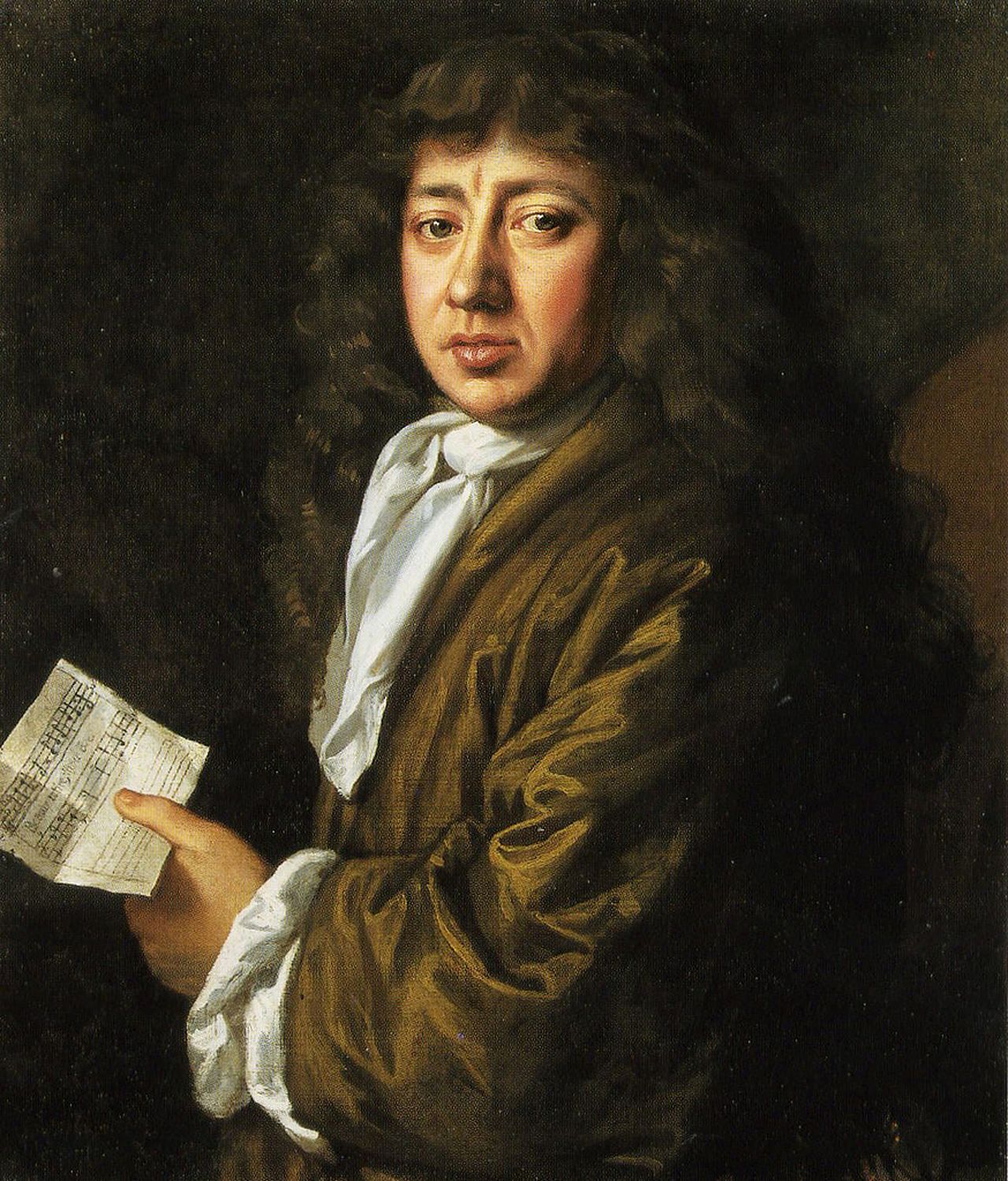
Forms and common features
Diaries appear in several physical or digital formats. Typical structural elements include a date heading, time stamps, entry text and sometimes marginal notes, sketches or pasted items (tickets, clippings). Variants include:
- Personal diary: private reflections, emotional processing and daily events.
- Travel diary: observations and itineraries from journeys.
- Work or log diary: factual records used in business, science or the military.
- Pocket diary or planner: compact books for appointments and to-do lists.
- Digital diary or journal app: electronic entries, often searchable and synced across devices.
History and notable examples
Keeping day-to-day records has ancient roots, but the modern, personal diary became widespread in early modern Europe. Diaries frequently serve as primary historical sources because they record contemporary impressions and daily details that other documents overlook. Two well-known diarists are Samuel Pepys, whose writings illuminate 17th-century London and events such as the Great Fire of London, and Anne Frank, whose wartime journal offers a firsthand account of hiding during the Nazi occupation. Such examples show how private writings can later be invaluable for historians studying places like London and broader social conditions.
Purposes and contemporary uses
People keep diaries for many reasons: to preserve memories, to reflect and process emotions, to plan and organize daily life, or to create a factual record for professional or legal purposes. In education, learners are often asked to keep diaries to develop writing skills and self-expression. In business and the military, logbooks and diaries record orders, movements and decisions. In the modern era, public or semi-public diaries have migrated online as blogs, published on the internet, where authors may choose to reach a broader audience or remain private via password-protected platforms.
Distinctions and practical considerations
Diaries differ from other written forms such as memoirs or autobiographies in that entries are typically contemporaneous rather than retrospective. Journals can be more formal or topical (for example, scientific research journals), while diaries are often more personal and immediate. Modern creators should consider privacy and security, especially when using digital tools, because electronic diaries can be accessed or shared unintentionally. Despite these concerns, diaries remain a versatile habit: a tool for self-knowledge, a source for historians, and a pragmatic way to organize time and tasks.
For further reading on famous diaries and their influence, see related resources and archives via the provided links.
Questions and answers
Q: What is a diary?
A: A diary is a book in which a person writes about what they have seen, heard, or done.
Q: Why are diaries usually handwritten?
A: Diaries are usually handwritten because it is a personal and intimate way of keeping a record.
Q: What are some reasons why people like to keep diaries?
A: People like to keep diaries for a variety of reasons, including keeping a personal record of their life, publishing it for others to read, or for business or military purposes.
Q: Who are often asked to write a diary?
A: Children in schools are often asked to write a diary, as it helps them to write about their activities and express their thoughts.
Q: Who are some famous diarists?
A: Samuel Pepys and Anne Frank are some famous diarists.
Q: What can we learn about London from Samuel Pepys' diary?
A: We can learn a lot about what London was like during the Great Fire of London by reading Samuel Pepys' diary.
Q: What is a pocket diary?
A: A pocket diary is a small book in which people can write down their daily appointments or tasks.
Related articles
Author
AlegsaOnline.com Diary — personal record, history, forms and uses Leandro Alegsa
URL: https://en.alegsaonline.com/art/27147