
Sei Shōnagon — Heian court writer and author of The Pillow Book
Heian-period Japanese court lady and writer Sei Shōnagon is famed for The Pillow Book, a lively collection of observations, lists and poems that shaped classical Japanese prose and courtly aesthetics.
Sei Shōnagon (清少納言, born c. 966; died sometime after 1017) was a Japanese writer and court lady who served Empress Teishi (Sadako) during the middle Heian period. She is best known as the author of The Pillow Book (枕草子, Makura no Sōshi), an episodic collection of lists, anecdotes and reflections. Shōnagon also kept diaries and composed waka poetry; details of her life are reconstructed from surviving writings and later references.
Image gallery
4 Images


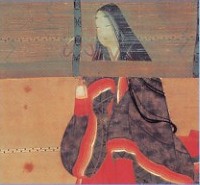
Life and historical context
Shōnagon lived in the refined and ritualized atmosphere of the imperial court, where poetic exchange, seasonal observance and polished manners were central to social life. She was probably a member of the Kiyohara family and is often described as the daughter of the poet Kiyohara no Motosuke, though biographical details remain partly uncertain. Her position at court gave her close view of ceremonies, entertainments and the everyday interactions of aristocratic life.
Major works
The Pillow Book is a miscellaneous work in which short sketches and lists appear alongside personal impressions and occasional poems. It does not follow a continuous narrative but presents a strongly individual voice: observant, witty and sometimes sharply critical. Surviving references indicate she also wrote more formal diaries and contributed waka verse to court contests and anthologies, a typical activity of educated Heian women.
Form, style and themes
Shōnagon's prose is usually placed in the zuihitsu tradition — loosely connected jottings — yet it reveals careful taste and an eye for classification. Common features include:
- Lists and categories: playful and memorable enumerations of pleasing or displeasing things.
- Vivid anecdote: short portraits of courtiers, mishaps and ceremonies that illuminate manners and temperament.
- Seasonal and poetic sensitivity: frequent reference to seasons, clothing, objects and waka conventions.
Her writing was composed largely in kana script, the vernacular syllabary commonly used by women writers of the period, which allowed for a direct, intimate tone distinct from Chinese-style scholarly prose.
Textual transmission and reception
No autograph manuscript survives; the work is known through later copies that represent different textual strands. Editors and translators have produced many editions, and The Pillow Book has attracted scholarly study and popular readership alike for its literary energy and historical detail. Translations into modern languages have made Shōnagon accessible to readers beyond Japan.
Legacy and comparisons
Sei Shōnagon is often paired with Murasaki Shikibu as one of the most famous women writers of the Heian court. The two women offer contrasting approaches: Shōnagon's pieces are concise, sharply observed and listlike, while Murasaki's The Tale of Genji is novelistic and expansive. Both works remain central to the study of classical Japanese literature, court culture and the role of women as literary creators in Heian society.
Today Shōnagon's sharp-eyed, often playful voice continues to be read for its artistic qualities and for the vivid glimpse it provides of aristocratic life a millennium ago.
Related articles
Author
AlegsaOnline.com Sei Shōnagon — Heian court writer and author of The Pillow Book Leandro Alegsa
URL: https://en.alegsaonline.com/art/88577