
Texas toad (Anaxyrus speciosus): appearance, habitat, and behavior
Small, stout toad native to the southern Great Plains. Overview of identification, range, habitat, life cycle, ecological role, taxonomy, and how it differs from similar species.
The Texas toad is a small, stocky amphibian native to the southern Great Plains. Historically described as Bufo speciosus, it is now often placed in the genus Anaxyrus; both names appear in field guides and scientific literature. Adults are compact and typically grow to about three inches in length. Their skin is warty with a mix of brown, tan, and olive tones and often bears darker spots. Distinctive features include prominent parotoid glands behind the eyes and varying cranial crests.
Image gallery
3 Images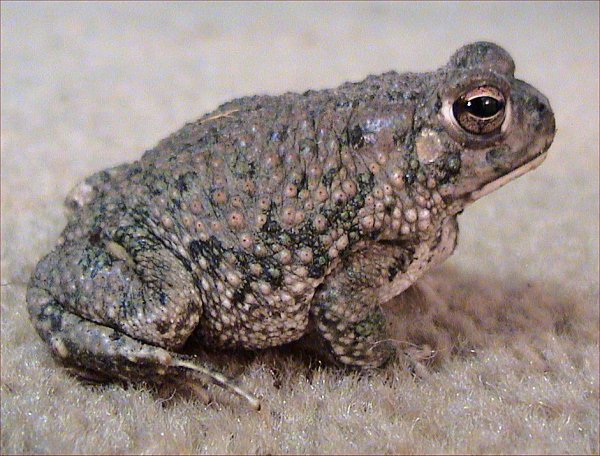
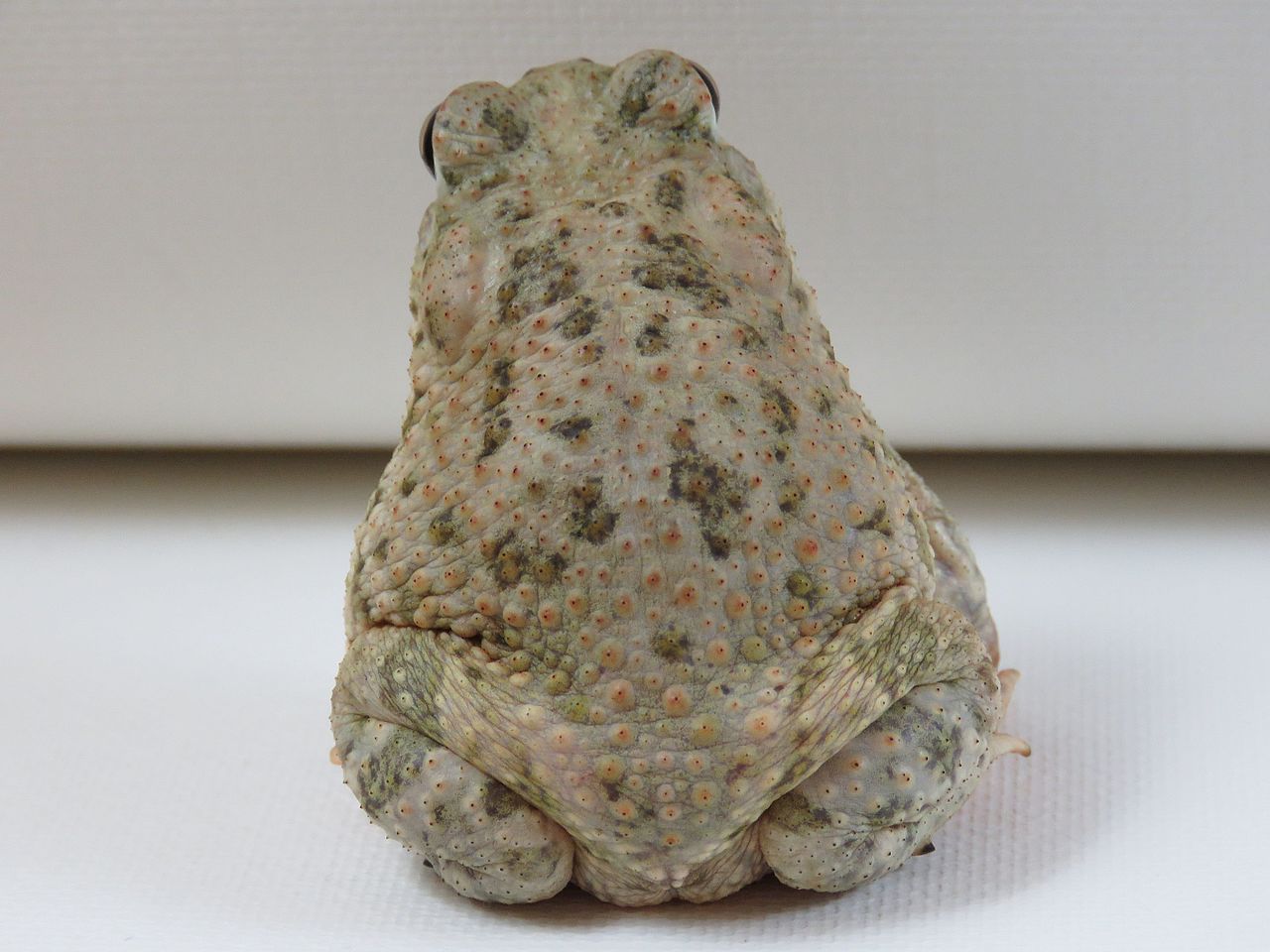

Distribution and habitat
Its core range covers central and southern parts of the United States and extends into northern Mexico. The species can be found in the state of Texas and in neighboring U.S. states such as Oklahoma and New Mexico, and it also occurs across portions of Mexico. For general species information see the dedicated species page and for regional notes consult sources about the United States.
Characteristics and life cycle
- Size: small, usually up to about three inches from snout to rump.
- Skin: rough or warty, providing camouflage in grassland and scrub habitats.
- Breeding: opportunistic, often triggered by heavy rains; males call near temporary pools and egg masses hatch into tadpoles.
- Diet: primarily nocturnal insectivores—ants, beetles, moths and other invertebrates.
Like other toads, Texas toads secrete mild toxins from skin glands that deter some predators, and they are important controllers of insect populations in their communities.
History, taxonomy and identification tips
Taxonomic revisions in recent decades moved many New World Bufo species into Anaxyrus, but older field literature and regional guides may still use the Bufo name. Texas toads can be confused with related species such as the Woodhouse's toad or the Gulf Coast toad; key distinguishing marks include size, patterning, and the shape and placement of cranial crests and parotoid glands. Field observers should listen for breeding calls during seasonal rains and look for strings of eggs in shallow water.
Although not typically considered at high conservation risk, local population trends depend on the availability of breeding pools and on the quality of grassland and scrub habitats. As an adaptable species, the Texas toad continues to be a common component of many southern plains amphibian communities and serves as an accessible example of the role small amphibians play in ecosystem balance.
Related articles
Author
AlegsaOnline.com Texas toad (Anaxyrus speciosus): appearance, habitat, and behavior Leandro Alegsa
URL: https://en.alegsaonline.com/art/97306
Sources
- iucnredlist.org : Bufo speciosus
- iucnredlist.org : IUCN RangeMap: Bufo speciosus
- npwrc.usgs.gov : USGS: Texas Toad