
Therapsids: early synapsids ancestral to mammals
Therapsids are a major group of synapsids that includes the lineage leading to mammals. They show many transitional features—differentiated teeth, altered jaw and limb anatomy—and illuminate mammalian origins.
Therapsids are a diverse clade of synapsids that first rose to prominence in the Permian. Historically called mammal-like reptiles, that label is outdated: therapsids are part of the synapsid branch of amniotes and are not true reptiles. The group includes the direct ancestors of modern mammals, with the mammalian lineage nested within the cynodont radiation.
Image gallery
10 Images


Defining features
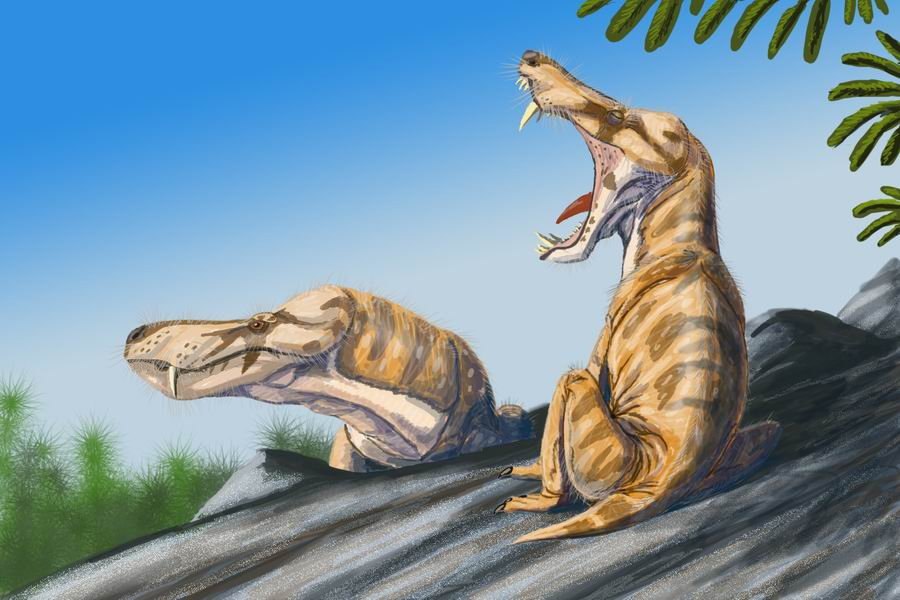
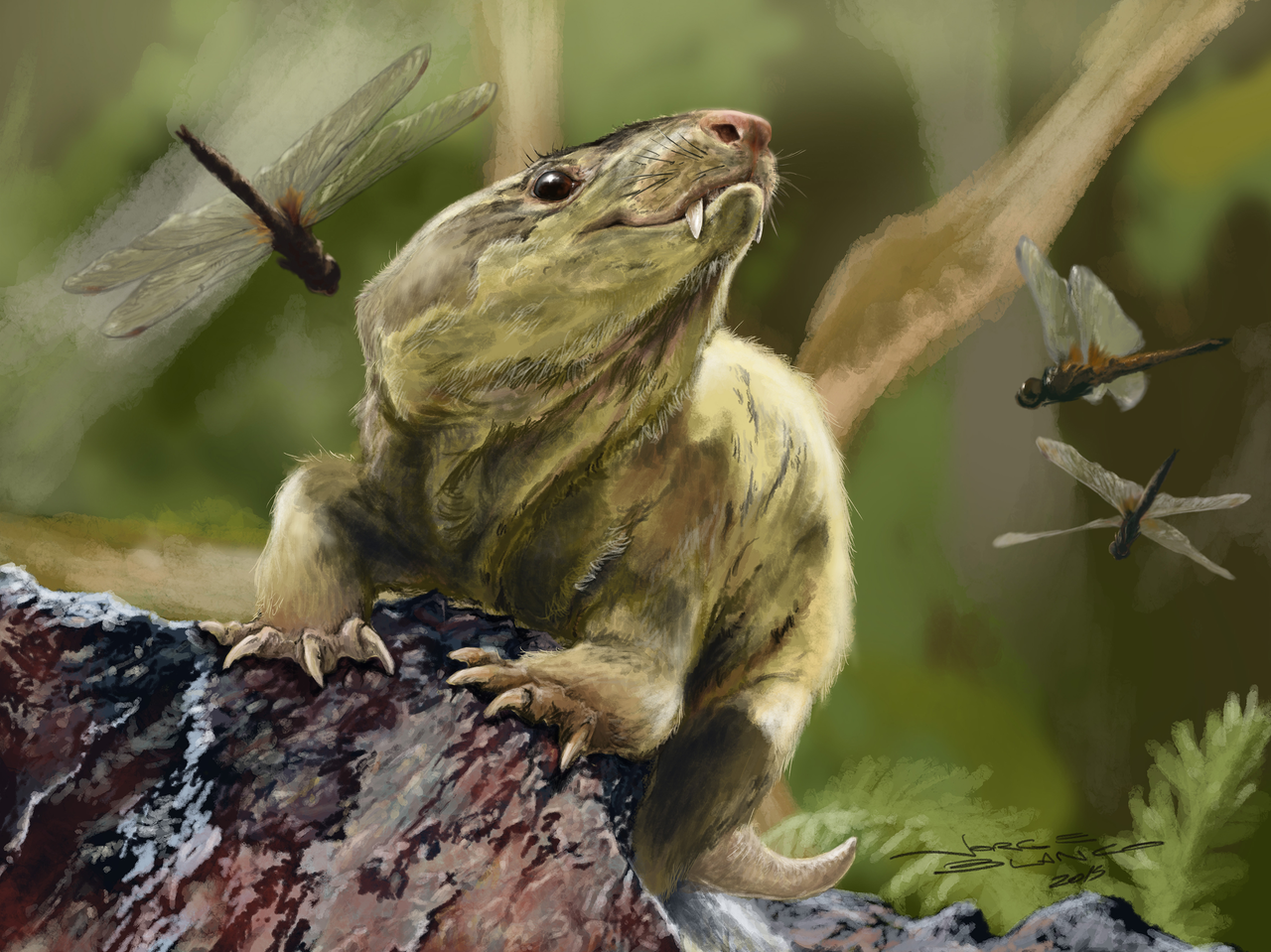
Therapsids share anatomical trends that foreshadow mammalian biology. These include more upright limb posture compared with early amniotes, an enlarged temporal region of the skull for stronger jaw musculature, and heterodont dentition with differentiated incisors, canines and postcanine teeth. In later therapsids there is evidence for development of a secondary palate, changes in jaw joint bones that prefigure the mammalian middle ear, and braincase enlargement.
Major groups
- Biarmosuchia – among the earliest-diverging therapsids, generally small to medium carnivores.
- Anomodontia – largely herbivorous, including the abundant dicynodonts with beak-like jaws.
- Gorgonopsia – specialized late Permian predators with large canine teeth.
- Therocephalia – a varied group, some showing advanced skull features.
- Cynodontia – the lineage that transformed into early mammals; see detailed work on cynodonts.
Evolution and fossil record
Therapsids originated and diversified in the Permian. Many groups were abundant in terrestrial ecosystems until the end-Permian mass extinction, after which diversity shifted and only certain lineages, notably cynodonts, persisted and diversified through the Triassic. Fossils are known from multiple continents and are central to reconstructing synapsid phylogeny; taxonomic treatments vary and the group is sometimes ranked as an order or treated as a broader grade within synapsids.
Significance
Therapsids document the stepwise acquisition of mammalian characteristics and provide key evidence for how changes in skull architecture, dentition, locomotion and metabolism evolved. Paleontologists study their fossils to understand major transitions in vertebrate history and the origins of traits seen in modern mammals.
For introductions and further reading consult syntheses on mammal-like reptiles, taxonomic overviews at order-level treatments, synapsid phylogeny resources at synapsid studies, works focused on mammalian origins, and specialized literature on cynodont evolution.
Related articles
Author
AlegsaOnline.com Therapsids: early synapsids ancestral to mammals Leandro Alegsa
URL: https://en.alegsaonline.com/art/99274
Sources
- species.wikimedia.org : Therapsida