
Theridiidae — the tangle‑web or comb‑footed spiders
Theridiidae is a large, worldwide family of araneomorph spiders that build irregular cobwebs and use a comb of serrated bristles to subdue prey; includes widow and false‑widow spiders.
Overview
Theridiidae, commonly called tangle‑web, cobweb or comb‑footed spiders, is a widespread family of araneomorph spiders first named by Carl Jakob Sundevall in 1833. Members of this family occur on every continent with suitable habitat and comprise thousands of described species across many genera. They are best known for their three‑dimensional, irregular webs and a characteristic row of serrated bristles on the hind legs that give them the name "comb‑footed."
Image gallery
10 Images


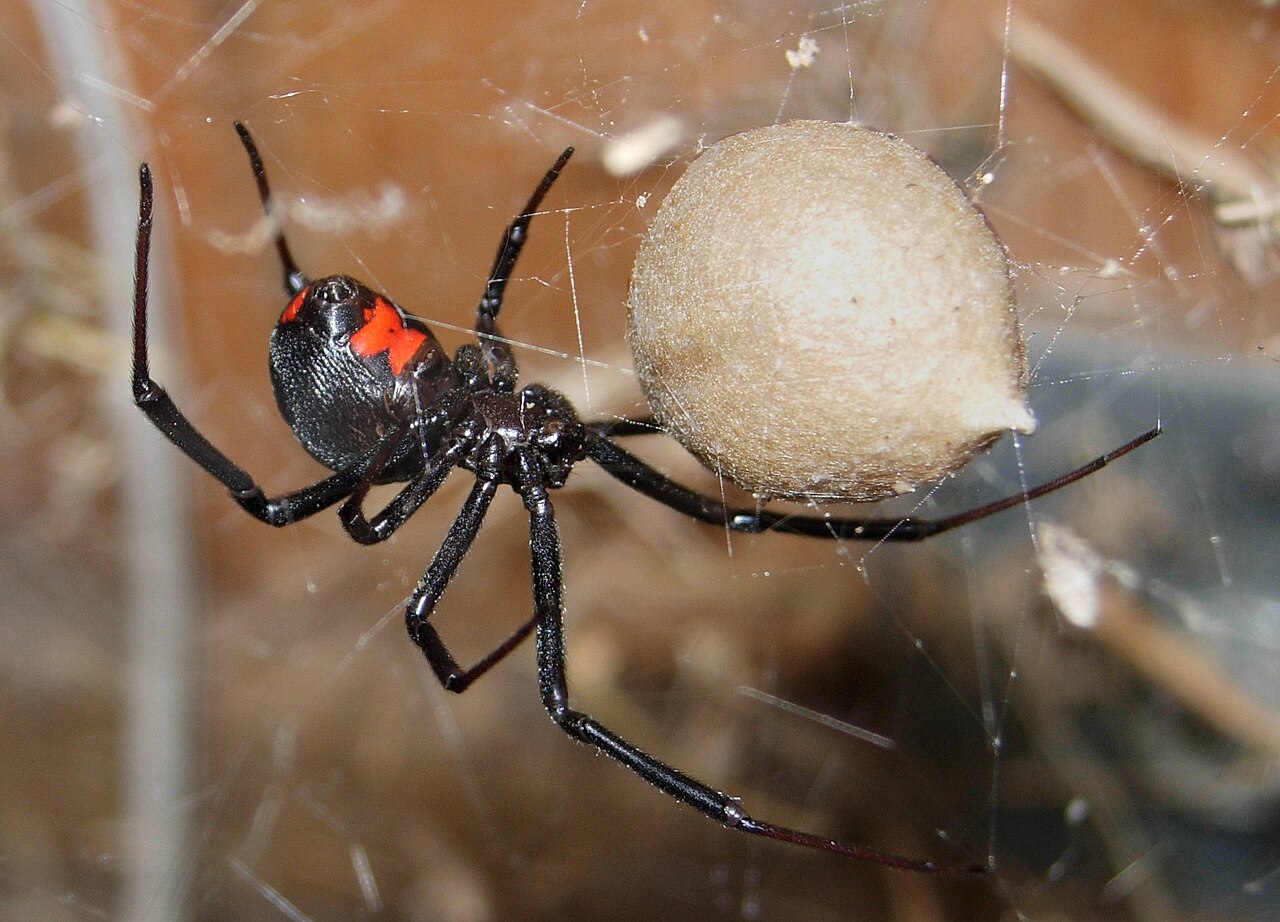


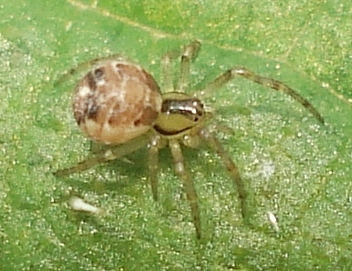

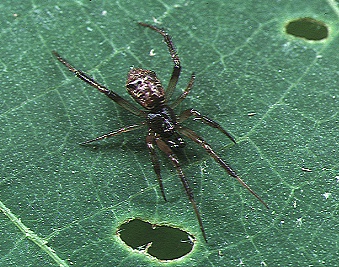

Key characteristics
Theridiids are typically small to medium in size and show marked sexual dimorphism in many species, with females often larger than males. Diagnostic features include:
- a three‑dimensional, tangled silk web rather than the regular radiating pattern of orb weavers;
- a comb of serrated setae on the fourth tarsus used to throw silk over prey;
- a compact body with a rounded abdomen and relatively short legs compared with some other families.
Behavior, ecology and life cycle
These spiders capture prey by entangling insects in sticky, irregular threads; many species build a retreat where the spider hides and waits. When prey contacts the web, the spider may use the comb to rapidly wrap the victim in silk, immobilizing it before biting. Theridiids occupy diverse habitats—leaf litter, foliage, human structures and caves—and their diets range from small insects to, in a few large species, vertebrate prey.
Human importance and notable groups
The family includes genera of medical and cultural interest. Latrodectus (widow spiders) produces venom that can cause systemic symptoms in humans (latrodectism) and is therefore the best known medically significant group. Steatoda species, sometimes called "false widows," can bite people but rarely cause severe effects. Other common genera include Theridion and Parasteatoda, many of which are harmless and act as natural pest controllers in gardens and buildings. For summaries and identification guides see further resources.
Theridiidae are an ecologically important, varied group that illustrate how web architecture and specialised anatomy can shape predatory strategies among spiders. Their diversity, distinctive comb‑foot behavior, and the presence of a few medically notable species make them a frequent subject of arachnological study.
Related articles
Author
AlegsaOnline.com Theridiidae — the tangle‑web or comb‑footed spiders Leandro Alegsa
URL: https://en.alegsaonline.com/art/99286