
Therizinosaur: the unusual clawed theropods adapted for herbivory
Therizinosaurs (segnosaurs) are maniraptoran theropods with large hand claws, likely herbivorous adaptations, feather-like integument and a Cretaceous distribution across Asia and North America.
Overview
Therizinosaurs, sometimes called segnosaurs, are a distinctive group of bird-line theropod dinosaurs. Once puzzling because of their mix of features, they are now recognized as maniraptoran theropods that evolved a number of adaptations linked to a plant-eating lifestyle. They are typically treated within broader surveys of theropod dinosaurs in modern syntheses.
Image gallery
10 Images




Anatomy and adaptations
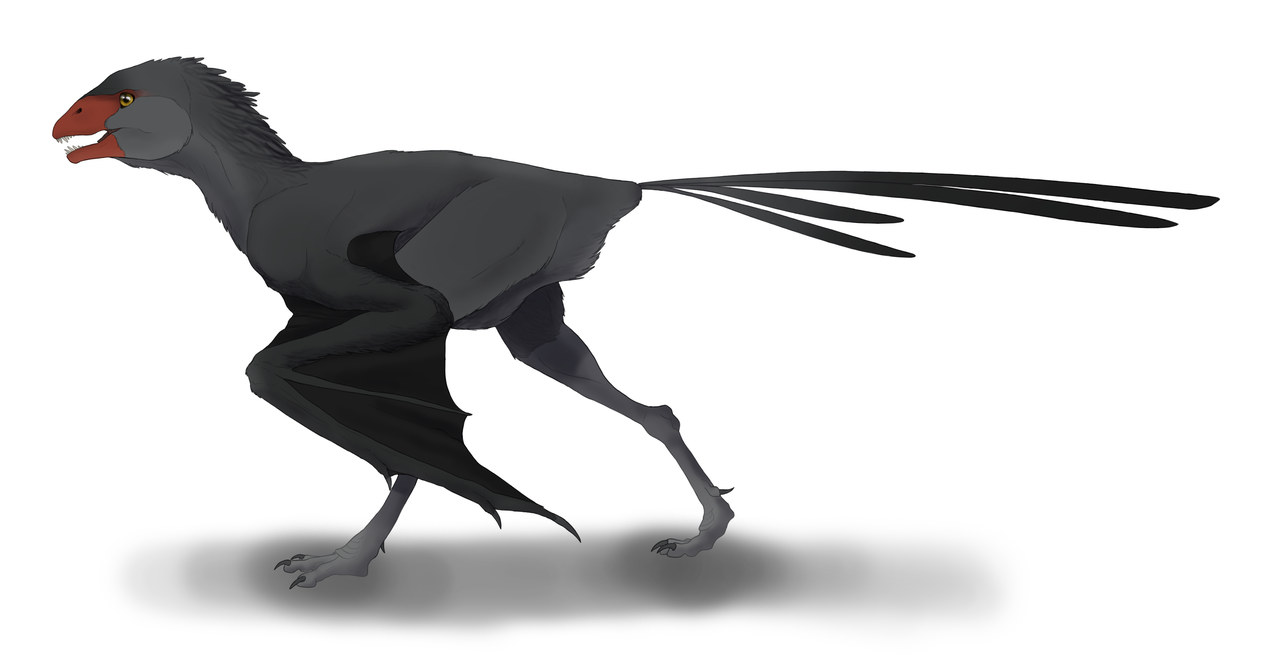
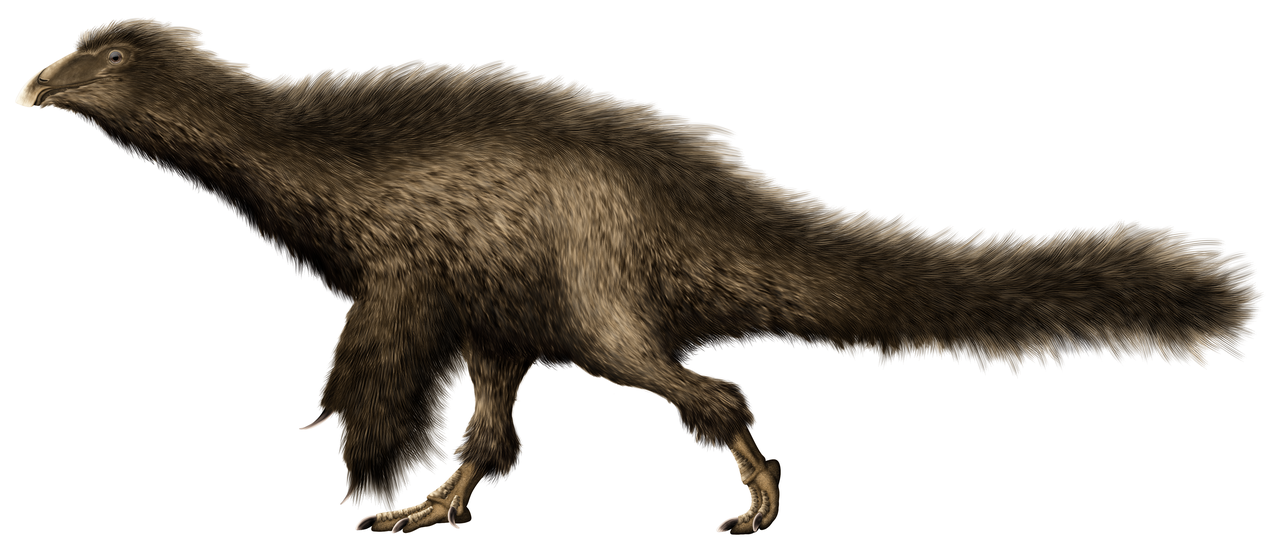
Members of this group show several distinctive anatomical traits. Forelimbs are long and end in enormous manual unguals (claws) that were likely multifunctional. Skulls tend to be relatively small with a rostral beak in many taxa and leaf-shaped teeth suited for shredding vegetation. The pelvis is broad and the trunk expanded, consistent with a large gut for fermenting plant matter. Several fossils preserve filamentous or feather-like integument, indicating that integumentary structures common among coelurosaurs were present in therizinosaurs.
- Long necks and elongated forelimbs with large claws.
- Beak-like front of the jaws and leaf-shaped dentition in many species.
- Broad pelvis and deep rib cage suggesting increased gut capacity.
- Evidence of feathers or protofeathers in some specimens.
Discovery and geographic distribution
Fossils attributable to therizinosaurs have been recovered mainly from Cretaceous terrestrial deposits. Important discoveries come from Asia and North America, including material from Mongolia, the People's Republic of China and Western North America. Preservation ranges from fragmentary elements to nearly complete skeletons that have clarified their anatomy and ecological role.
Evolution and classification
Therizinosaurs are classified within the maniraptoran clade and are considered a derived branch of theropods closely related to other feathered coelurosaurs. Their combination of primitive and derived traits has made them important for understanding the evolution of diet, body plan, and integument among theropods and in the wider maniraptoran context. They are often discussed in comparative treatments of theropods that explore transitions from carnivory to herbivory.
Paleoecology and diet
While early workers debated their feeding habits, anatomical evidence supports herbivory or omnivory for many therizinosaurs. The combination of a beak, leaf-shaped teeth, and a capacious gut argues for consumption and processing of plant material. Claws may have been used to pull down branches, gather foliage, manipulate food items, or for defense and display. Their presence in diverse Cretaceous ecosystems highlights ecological diversification among theropods.
Notable genera and fossil record
Well-known genera include Therizinosaurus, Segnosaurus, Erlikosaurus and Beipiaosaurus, each contributing key information: Therizinosaurus for its enormous claws, Erlikosaurus for cranial anatomy, and Beipiaosaurus for integumentary preservation. Specimen data and collection records are available through museum catalogs and online fossil repositories, which provide taxonomic and stratigraphic context for research.
Research history and significance
Therizinosaurs have played an outsized role in discussions of convergent evolution, dietary shifts in theropods, and the evolution of feathers. Their discovery helped challenge the assumption that all theropods were obligate carnivores and emphasized the evolutionary plasticity of the group. Ongoing fieldwork and new analyses of existing specimens continue to refine their phylogenetic placement and paleobiology.
Further reading and resources
For general overviews consult treatments of Cretaceous terrestrial faunas and specialized reviews in paleontological literature. Useful starting points include summaries of the Cretaceous record and regional faunal accounts for Mongolia, China and Western North America. Additional phylogenetic and anatomical discussions are found in focused works on theropods and the maniraptoran clade; museum databases and curated fossil repositories can provide specimen-level details.
Questions and answers
Q: What is a therizinosaur?
A: A therizinosaur is a type of theropod dinosaur that is believed to be herbivorous.
Q: Where have therizinosaur fossils been found?
A: Therizinosaur fossils have been found in Cretaceous deposits in Mongolia, the People's Republic of China, and Western North America.
Q: What is a clade?
A: A clade is a group of organisms that includes an ancestor and all of its descendants.
Q: Are therizosaurs related to birds?
A: Yes, various features of the forelimbs, skull, and pelvis show that therizosaurs are theropods and maniraptorans, which are close relatives to birds.
Q: What is the difference between a herbivorous and a carnivorous dinosaur?
A: A herbivorous dinosaur primarily eats plants, while a carnivorous dinosaur primarily eats meat.
Q: What is a theropod dinosaur?
A: A theropod dinosaur is a type of dinosaur that walks on two legs, has a stiff tail, and is usually carnivorous.
Q: What is maniraptoran?
A: Maniraptoran is a group of theropods that includes birds and their closest relatives.
Related articles
Author
AlegsaOnline.com Therizinosaur: the unusual clawed theropods adapted for herbivory Leandro Alegsa
URL: https://en.alegsaonline.com/art/99288
Sources
- doi.org : 10.1038/20670
- doi.org : 10.1038/nature03468
- pubmed.ncbi.nlm.nih.gov : 15875020