
Terra (Roman goddess of the Earth)
Terra, also called Tellus or Terra Mater, is the Roman personification of the Earth. Linked to Greek Gaia, she appears in origin myths, Roman cult practice, iconography and later artistic and literary traditions.
Terra is the classical Roman personification of the land and soil. In literature she is often identified with or called the same as Tellus and is commonly equated with the Greek Gaia. As a divine figure she functions as the goddess of the Earth, representing fertility, the productive soil and the sustaining power of nature. Roman writers used the name Terra in poetic and religious contexts while Tellus Mater appears in formal state cults.
Image gallery
6 Images


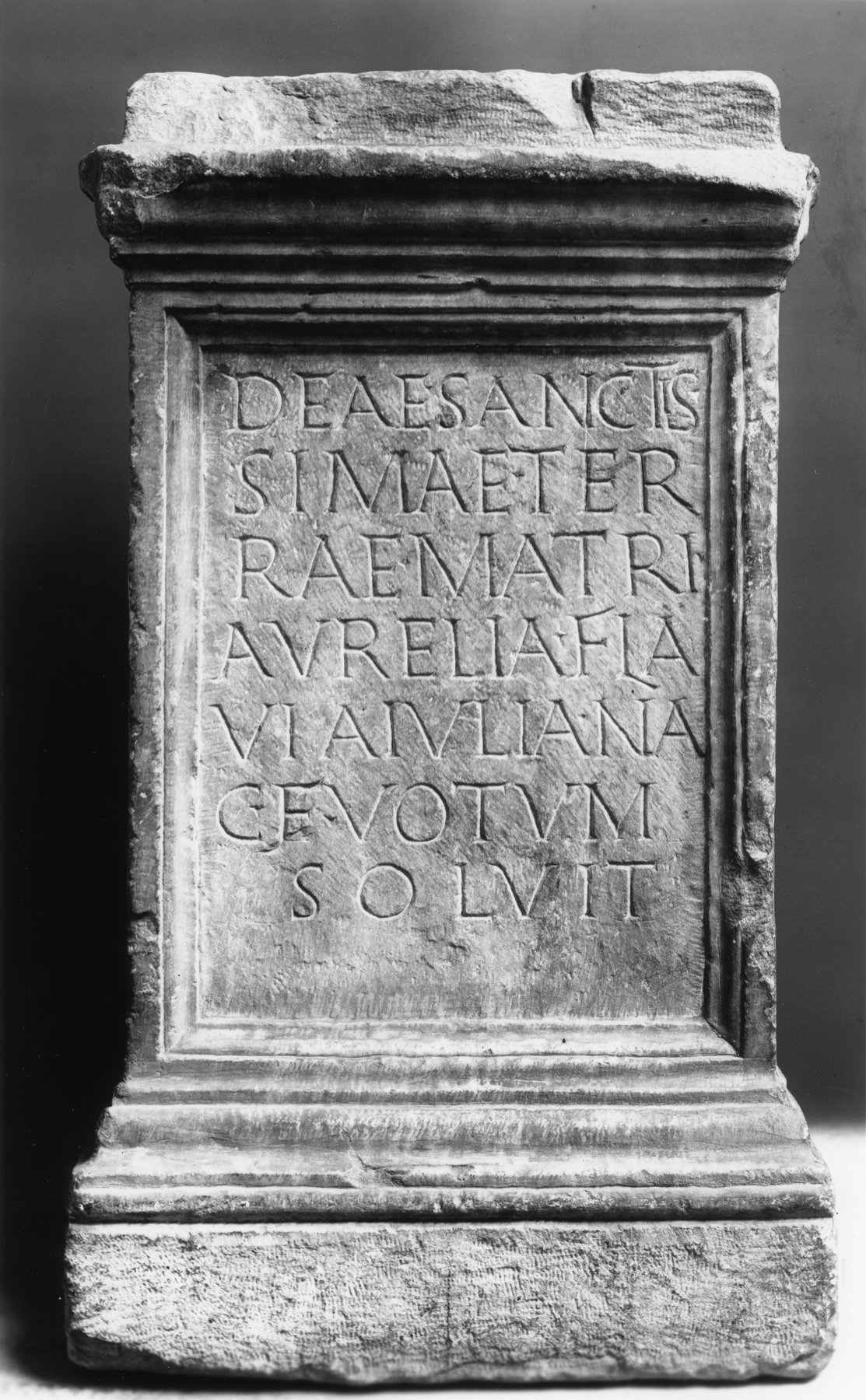
Myth and genealogy
In myth Terra is paired with the sky god Caelus, and together they are described as the parents of early divine generations, including the Titans & giants. Classical accounts record a dramatic episode in which Terra, distressed by Caelus's domination, persuades her son Saturn to attack his father. Saturn uses a bladed implement—sometimes described as a sickle or scythe—to wound Caelus; from the resulting chaos and the sea-foam that followed is born Venus, associated with love and beauty. These tales appear in both Greek and Roman literary traditions and are narrated with variations by poets and mythographers.
Cult, symbolism and rites
Terra/Tellus was central to Roman ideas about fertility, agriculture and the sanctity of land. She could be invoked in agricultural rites, and offerings to the earth were part of seasonal ceremonies intended to ensure crops and herd productivity. As an abstract and civic force, Terra could be appealed to in matters of property, boundaries and oaths tied to the soil. Artistic depictions show her as a maternal figure, often reclining with symbols of abundance such as a cornucopia, grains or fruit.
Her identity overlaps with other earth and fertility divinities; this syncretism sometimes makes it hard to separate strictly Roman practices from Greek-inspired imagery. Nonetheless, Terra remained an enduring emblem of the planet’s life-giving qualities and the Roman relationship to land and agriculture.
In later centuries Terra was used as an allegory in art and literature to signify nature, the globe or the material world. The Latin name survives in modern languages and scientific terminology (for example, the word "terra" as a root meaning earth or land), underlining her continuing cultural resonance.
- Notable associations: Tellus Mater (formal cult name), agricultural fertility, land law and property.
- Connected myths: overthrow of the sky-god, birth of sea-born deities such as Venus; sources include Greek and Roman epic and mythography.
- Iconography: maternal figure with cornucopia, fruits, or vegetation; sometimes paired with Caelus/sky imagery.
For further reading see classical poets and compendia of Roman religion for primary narratives and later interpretations in art and scholarship. The figure of Terra illustrates how a single divine personification can encompass mythic origins, practical cult practice and enduring symbolic meaning across cultures.
Roman form · Gaia · goddess · Earth · Caelus · parents · Titans & giants · Saturn · scythe · Venus · love
Related articles
Author
AlegsaOnline.com Terra (Roman goddess of the Earth) Leandro Alegsa
URL: https://en.alegsaonline.com/art/97105
Sources
- questia.com : questia.com/read/7478304