
Saturn (mythology): Roman god of agriculture, time and the Saturnalia
Saturn (Latin Sāturnus) is a major Roman deity linked to agriculture, wealth, liberation and time; his cult, temple, and the Saturnalia festival were central to Roman religion and civic life.
Overview
Saturn (Latin: Sāturnus) is one of the principal gods of ancient Rome, traditionally associated with agriculture, sowing and the productive cycles of the land. He was regarded as a progenitor of several important deities — among them Ceres and Jupiter — and as a figure who embodies both prosperity and the passage of time. For general introductions to his role within Roman religion see Saturn overview. His agricultural functions are often emphasized in discussions of Roman planting and harvest rites (agriculture and harvest), and his relationship to other gods such as Ceres is frequently noted in ancient sources.
Image gallery
7 Images


Attributes and symbols
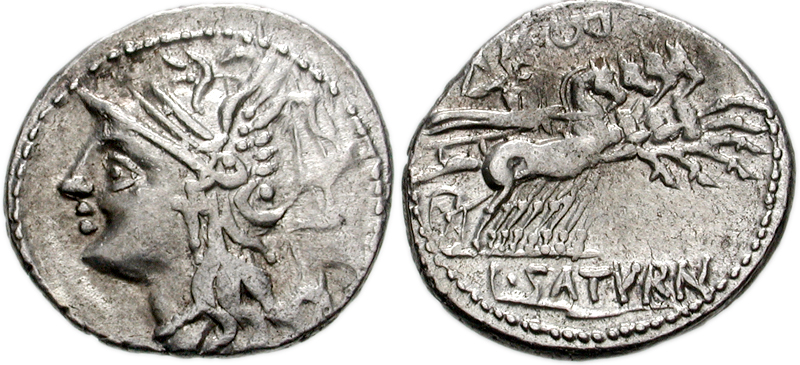
Saturn’s iconography and symbolic objects underscore his dual associations with farming and with an older, mythic era of plenty. He is commonly represented with a sickle or scythe — a tool for reaping — and with sheaves of grain, signifying fertility and the harvest. In Roman civic life Saturn was also linked to wealth and the public treasury; the temple that bore his name housed important state funds and records. For archaeological and civic details about that site, consult the Temple of Saturn.
Cult, festivals, and social role
The most famous festival in Saturn’s honor was the Saturnalia, an annual celebration held in midwinter that combined religious observance with widespread public revelry. Saturnalia customs included public banquets, gift-giving, the temporary relaxation of social norms and role reversals between masters and slaves, and general merrymaking. Elements of the festival — such as exchanging small presents and decorative lights — have been studied in relation to later winter customs. Contemporary descriptions and reconstructions of Saturnalia can be found at Saturnalia sources.
Mythic associations and historical development
With increasing contact between Rome and the Greek world, Saturn was identified with the Greek titan Kronos, though the two figures retain distinct strands in their respective mythic traditions. In Roman thought Saturn could evoke the Kronos figure who fathered the Olympian gods and the idea of a Golden Age — a time of abundance, peace and simplicity. Ancient and later writers differ on details; the syncretism with Greek myth has to be treated carefully in order not to conflate Roman cult practice and Greek narrative traditions (see the identification with Kronos for comparison).
Temple, treasury and civic presence
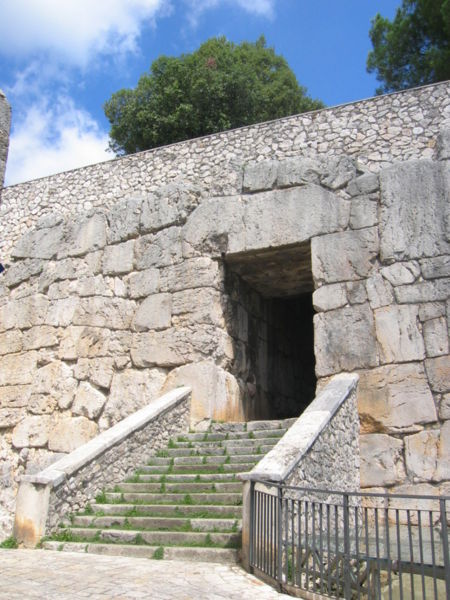
The Temple of Saturn in the Roman Forum served both a religious and a practical civic function. It was associated with the state treasury (the aerarium) and with official ceremonies connected to the administration of funds and commemorations. The temple’s ruins and inscriptions have been central to studies of how religion and politics intersected in Rome; additional references to the site are available via Temple of Saturn materials and guides.
Legacy and cultural influence
Saturn’s name survives in astronomical and calendrical terminology: the planet Saturn and the weekday Saturday (Latin diēs Sāturni) both reflect his lasting imprint on Western culture. For links between the god’s name and later usages see planetary and temporal references such as planetary names and the formation of dies Sāturni. Modern literature, art and scholarly traditions continue to evoke Saturn when discussing themes of time, old age, abundance and social inversion. For comparative readings and further primary-source links consult authoritative collections and translations listed at further reading and specialized entries on Roman religion (agriculture and rites, Ceres and family).
- Common symbols: sickle/scythe, grain, depictions of the Golden Age
- Major festival: Saturnalia — public banquet, gifts, role reversal
- Sites: Temple of Saturn in the Roman Forum (site details)
- Comparative myth: identification with Greek Kronos (Kronos overview, comparative study)
Related articles
Author
AlegsaOnline.com Saturn (mythology): Roman god of agriculture, time and the Saturnalia Leandro Alegsa
URL: https://en.alegsaonline.com/art/87493