
Gaia (Greek mythology): the primordial personification of Earth
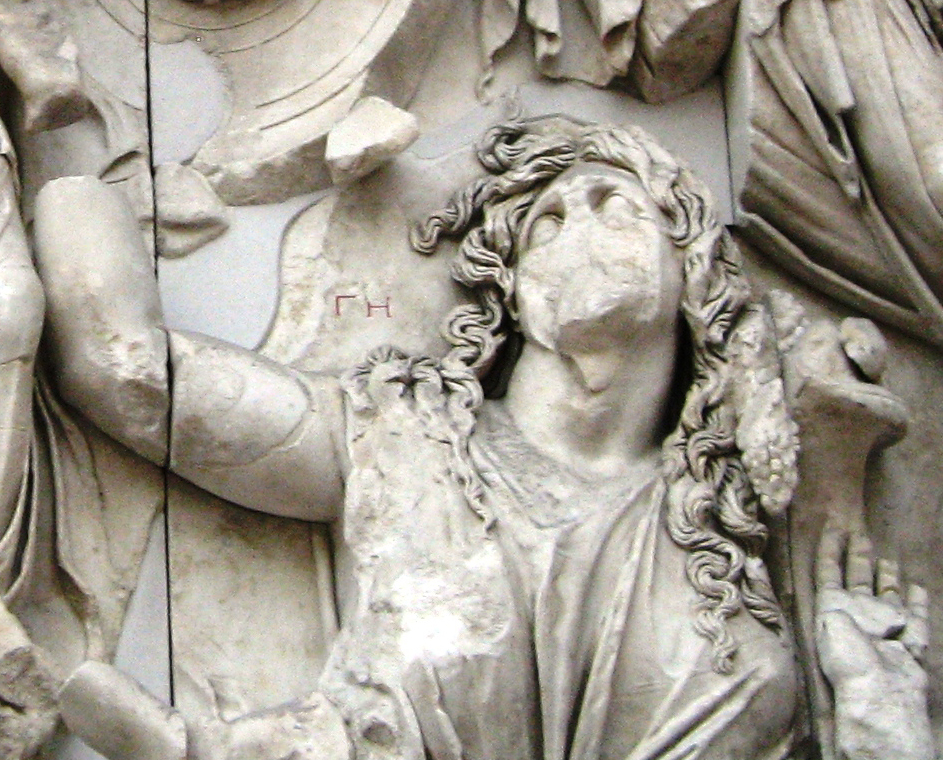
Gaia, also Gaea, is the ancient Greek personification of the Earth, a primordial deity who produced the Titans, Cyclopes and other beings. Her figure influenced cult, poetry, and modern ideas such as the Gaia hypothesis.
Gaia is the ancient Greek embodiment of the Earth and one of the primordial deities in classical cosmogony. In poetic accounts she is presented as the living soil and mother of many first-born beings. As a mythic personification she represents the fertile, sustaining plane beneath human life and the natural world; the term often appears in contexts that emphasize the physical Earth itself and the wider web of life. Her role is central to early stories within Greek mythology, where she stands at the beginning of the divine genealogy.
Image gallery
7 Images




Origins and principal descendants
Classical genealogies open with a primal void, commonly called Chaos, from which Gaia emerged as a foundational presence. She united with the sky-god Ouranos to produce a first generation of powerful offspring. Those descendants include several major groups and figures that shape later myths:
- Titans — the elder gods of an earlier cosmic order
- Hekatonkheires — the hundred-handed giants
- Elder Cyclopes — the forger-smiths of divine weapons
Other children attributed to Gaia include the sea deity Pontus and, in later or variant accounts, the monstrous Typhon, often described as a last desperate attempt to challenge the rule of the younger Olympian gods.
Mythic actions and literary tradition
In Hesiod’s Theogony and related traditions Gaia is active rather than passive: she conceives plots, gives oracles, and figures in the succession of divine rulers. For example, she aids the Titans in their conflicts with Ouranos and later counsels Zeus in events that secure the new order. Poets and dramatists from antiquity onward treat her both as an ancestral mother and as a force connected to chthonic law and fate.
Cult, representation, and later reception
Gaia was honored in various local cults and sometimes associated with ancient oracle-sites (some sources place early prophetic activity at Delphi under chthonic deities before the Apollonian phase). Her image in art and literature ranges from the matronly mother to an elemental, sometimes fearsome, ground-power. The Roman world adapted her as Roman Terra, continuing the motif of Earth as a divine source of life.
Legacy and distinctions
The name appears in multiple spellings (Gaia, Gaea, Ge) and is used metaphorically in philosophy, literature and modern science. Notably, the 20th-century "Gaia hypothesis" borrows the name to suggest a self-regulating quality to the planet’s systems, echoing the ancient idea of Earth as an integrated living whole. While the mythic Gaia is a deity within a religious and poetic framework, the term continues to serve as a cultural shorthand for the planet, nature, and ecological interdependence.
For concise source references and further reading, see poetic accounts and classical summaries that preserve the figure of Gaia and her multifaceted role in early Greek thought and later cultural history. Learn more about the personification, explore the cosmogonic context at Chaos, and consult traditions linking Gaia to Greek myth and its Roman parallel Terra. Additional notes on offspring and related figures appear under entries for Titans, Elder Cyclopes and Pontus, while accounts of monstrous progeny may be found alongside narratives of Typhon and the Hekatonkheires.
Related articles
Author
AlegsaOnline.com Gaia (Greek mythology): the primordial personification of Earth Leandro Alegsa
URL: https://en.alegsaonline.com/art/37211