
Scythe: traditional mowing and reaping implement
A scythe is a hand tool with a long curved blade used to cut grass or grain. This article covers its design, history, traditional uses, maintenance and cultural significance.
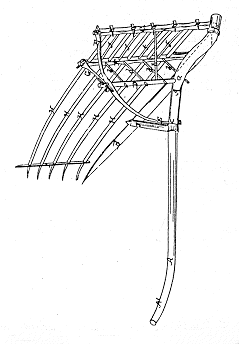
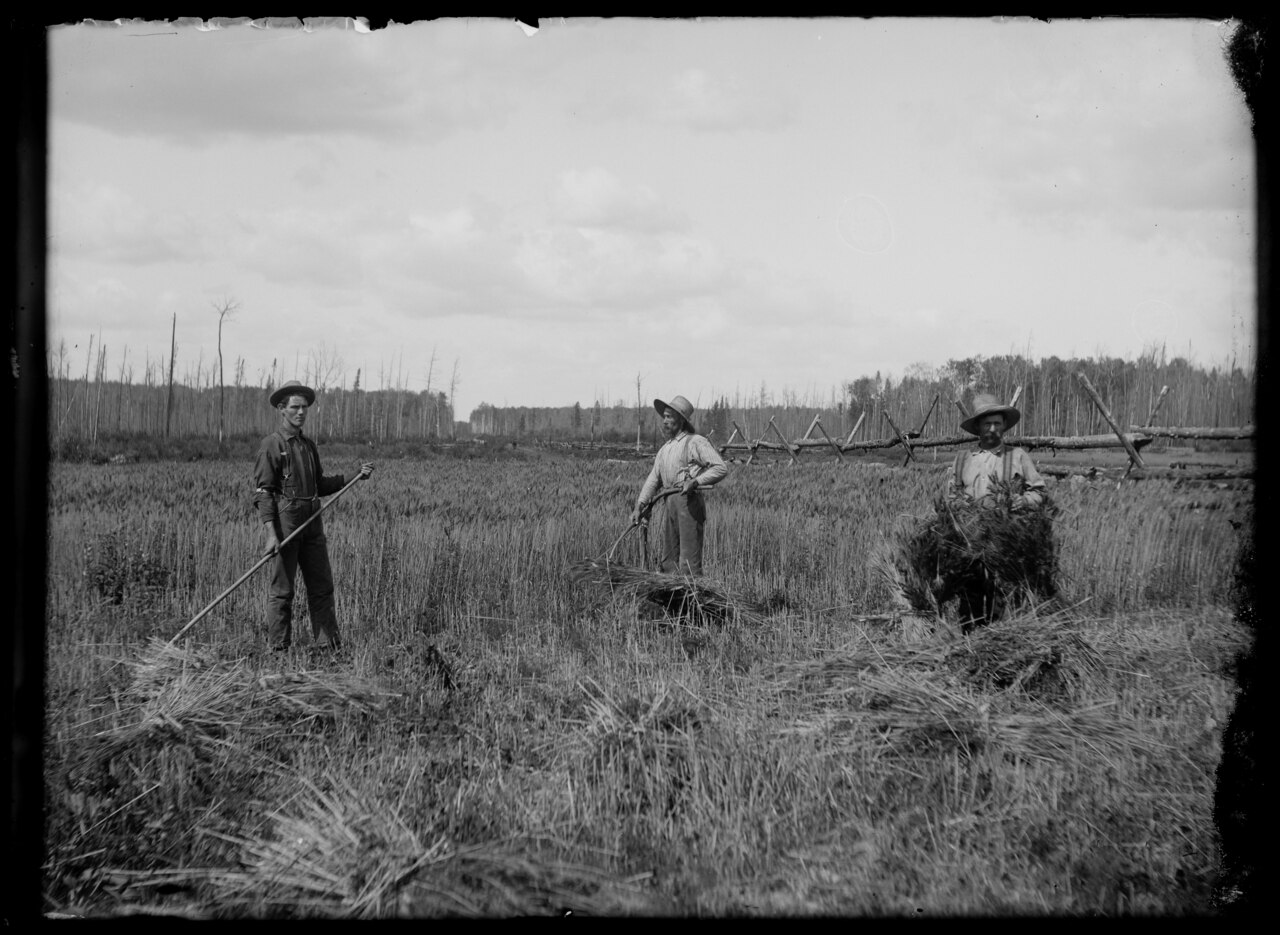
The scythe is a hand-held agricultural tool consisting of a long, slightly curved blade mounted at a right angle to a wooden shaft, used primarily for mowing grass and reaping cereal crops. Unlike a sickle, which is used with a one-handed hooking motion, the scythe is operated with two hands and a sweeping motion that cuts a wide swathe of vegetation. It remains in use today in places where mechanized equipment is impractical or where small-scale, low-impact harvesting is preferred, and for some traditional or ecological mowing tasks.
Image gallery
10 Images




Parts and design
Key components include the blade, the snath (the shaft), and one or two grips fixed to the snath to control the tool. Blades vary in length and curvature depending on intended use: longer blades for mowing meadows, shorter ones for crop reaping. The snath may be straight or ergonomically curved to suit the user’s stance. Proper balance, blade angle and grip placement are important for efficient, low-fatigue use.
History and development
Scythes have a long history: variations of bladed tools for cutting vegetation appear in ancient agriculture and became widespread in Europe and elsewhere before widespread mechanization. Over the 19th and 20th centuries the scythe was largely supplanted by horse-drawn mowers and later by tractors and combine harvesters, but it persisted in hilly terrain, smallholdings and regions where fuel or machinery were unavailable. Modern interest in the scythe also reflects ecological mowing practices and historical re-enactment.
Uses, techniques and maintenance
Users mow in a smooth side-to-side arc, forming windrows that are later gathered for hay or left as cut material. Sharpening is an essential skill: the steel blade is maintained by peening (careful hammering to thin and reshape the edge) and regular honing. Scything allows selective cutting around obstacles and preserves soil structure, an advantage over heavy machinery in sensitive habitats.
Distinctions and cultural notes
- The scythe is often confused with the short-handled sickle; the two tools differ in scale and motion.
- It appears in art and folklore, most famously associated with the figure of the Grim Reaper, symbolizing harvest and mortality.
- Traditional scything communities maintain festivals, competitions and instructional schools to pass on technique.
For further reading on mowing techniques and crop harvesting, see mowing practices and reaping methods. To compare mechanized alternatives and their history, consult resources on early farm machinery and tractors. Regional continuities in tool use are discussed in overviews of agriculture in Europe and Asia.
Related articles
Author
AlegsaOnline.com Scythe: traditional mowing and reaping implement Leandro Alegsa
URL: https://en.alegsaonline.com/art/88248