
Bayonet: blade attachment for firearms and its history
A bayonet is a blade fixed to the muzzle of a firearm to allow close combat. This article explains design types, development, battlefield use, and modern ceremonial and utility roles.
Overview
A bayonet is a blade—often shaped like a knife, dagger, or short sword—designed to be affixed to the muzzle of a long gun so the firearm can be used as a thrusting weapon. The word derives from French baïonnette. When mounted, a bayonet converts a rifle into a spear-like implement for close-quarter fighting or last-resort self‑defense.
Image gallery
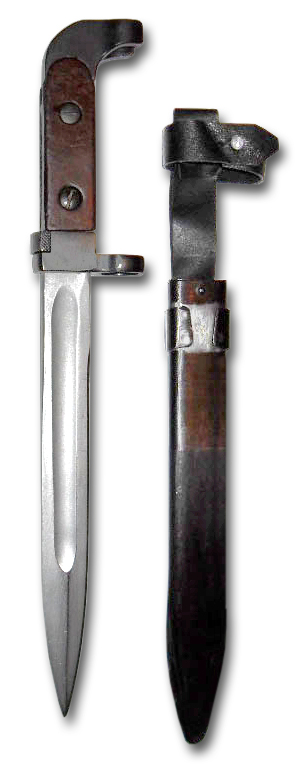
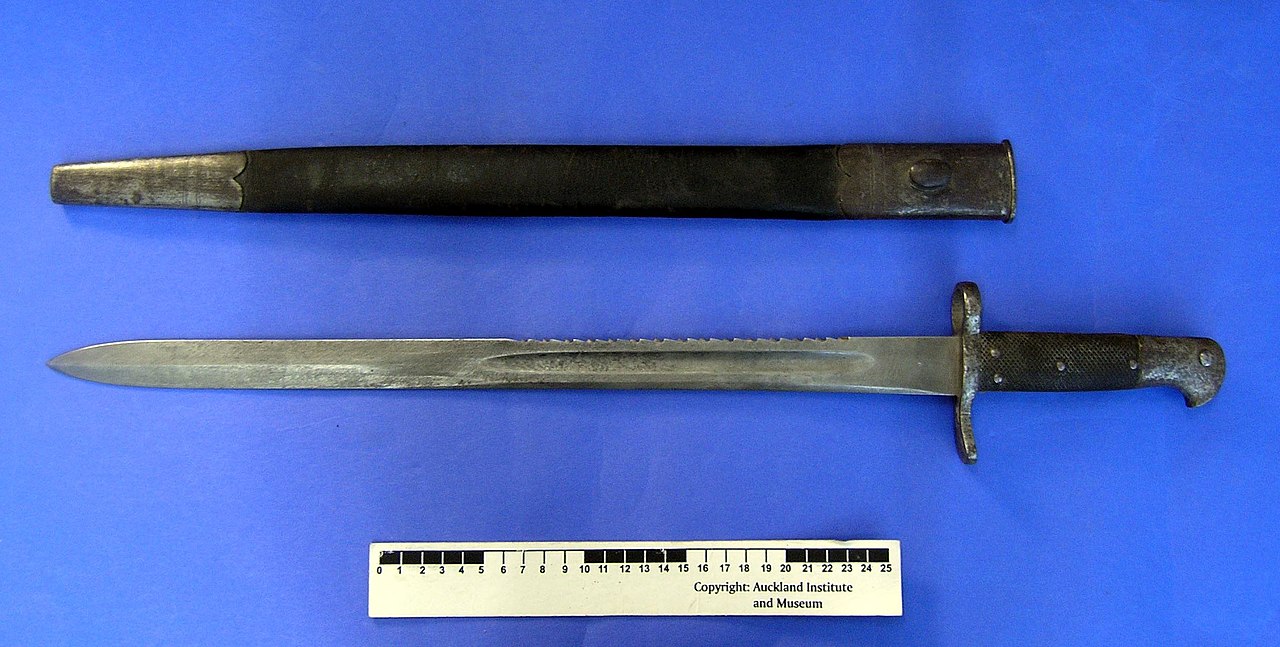
10 Images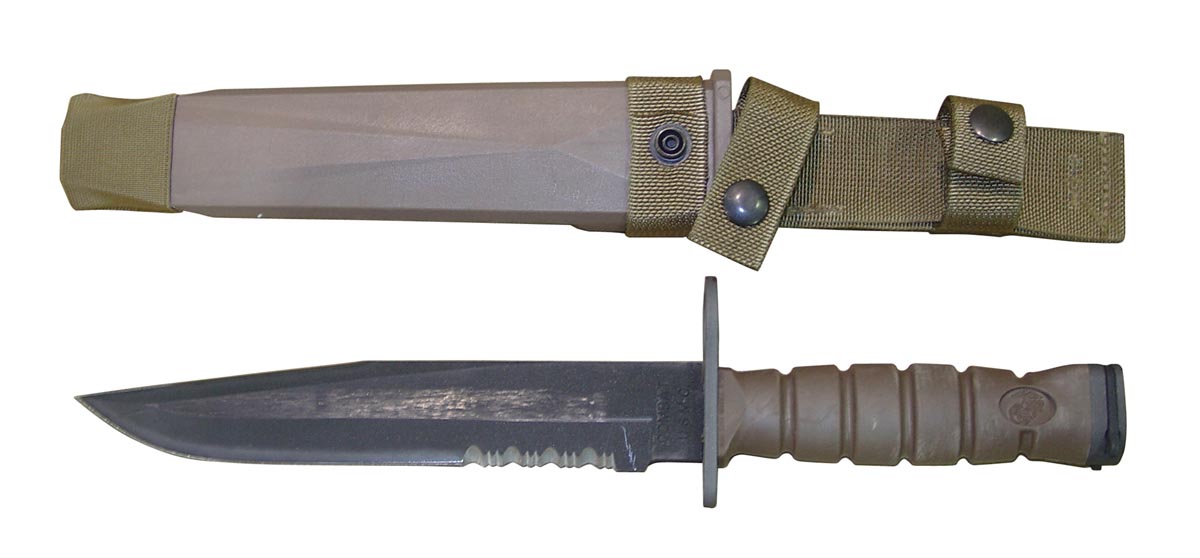





Design and main components
Typical elements include the blade, a hilt or grip, a mounting system (such as a muzzle ring or locking lug), and a scabbard that often doubles as a fighting handle. There are several common styles: knife-bayonets, dagger-style bayonets, socket bayonets and sword bayonets. Modern examples emphasize utility as well as combat: many serve as multi-purpose tools rather than pure stabbing weapons.
Historical development
Early firearms users improvised blades; the adoption of plug bayonets in the 17th century gave infantry a way to defend against cavalry at close range, but these prevented firing. The later socket bayonet allowed soldiers to fire with the bayonet fixed and helped make the musket a versatile weapon. Bayonets were a decisive element of linear tactics through the 18th and 19th centuries and remained relevant in trench warfare and other close engagements in World War I and later conflicts.
Use and tactics
Bayonet drills teach soldiers to fix and remove the blade quickly, advance in formation, and engage in hand-to-hand combat when firearms or ammunition are ineffective. Beyond combat, bayonets have been used as utility knives, wire cutters (with paired scabbards), and tools for camp chores. Their psychological effect—encouraging close assaults—was historically as important as their physical lethality.
Modern role and distinctions
Today bayonets are less central to infantry doctrine but remain standard issue in many armed forces as a multi‑purpose tool and for ceremonial duties. Distinctions among bayonets include mounting systems, blade shape, and intended secondary uses. A bayonet differs from a fixed combat knife primarily by its designed interface with a firearm such as a rifle or carbine and by features like a muzzle ring or locking catch.
Notable facts
- Some nations retain bayonet training as part of basic soldiering skills.
- Certain bayonet models are prized by collectors for historical value.
- Although largely superseded by firearms and tactics, bayonets remain symbolic of infantry close combat capability and are still carried on parade and in limited field roles where improvised blades or utility tools are needed.
See also related terms such as weapon handling, the evolution of melee arms and the transformation of firearms into combined-range systems; in broad comparisons consider how a bayonet turns a gun into a thrusting implement akin to a spear.
Related articles
Author
AlegsaOnline.com Bayonet: blade attachment for firearms and its history Leandro Alegsa
URL: https://en.alegsaonline.com/art/9703
Sources
- bbc.co.uk : Cold Steel - The History of the Bayonet