
Bell AH-1 Cobra: Overview, Design, Service, and Variants
The Bell AH-1 Cobra is a pioneering American attack helicopter introduced in 1967, used in Vietnam, later adapted into two-engine Marine models and exported to several countries; armed with guns, rockets and anti-tank missiles.
The Bell AH-1 Cobra is a slender, purpose-built American military helicopter designed specifically for the close air support and anti-armor roles. Conceived in the 1960s to give forward units a fast, maneuverable gunship, the Cobra was the United States Army's first dedicated attack helicopter and became the basis for later attack helicopter concepts worldwide. It was produced by Bell Helicopter and recorded its first flight on 7 September 1967.
Image gallery
10 Images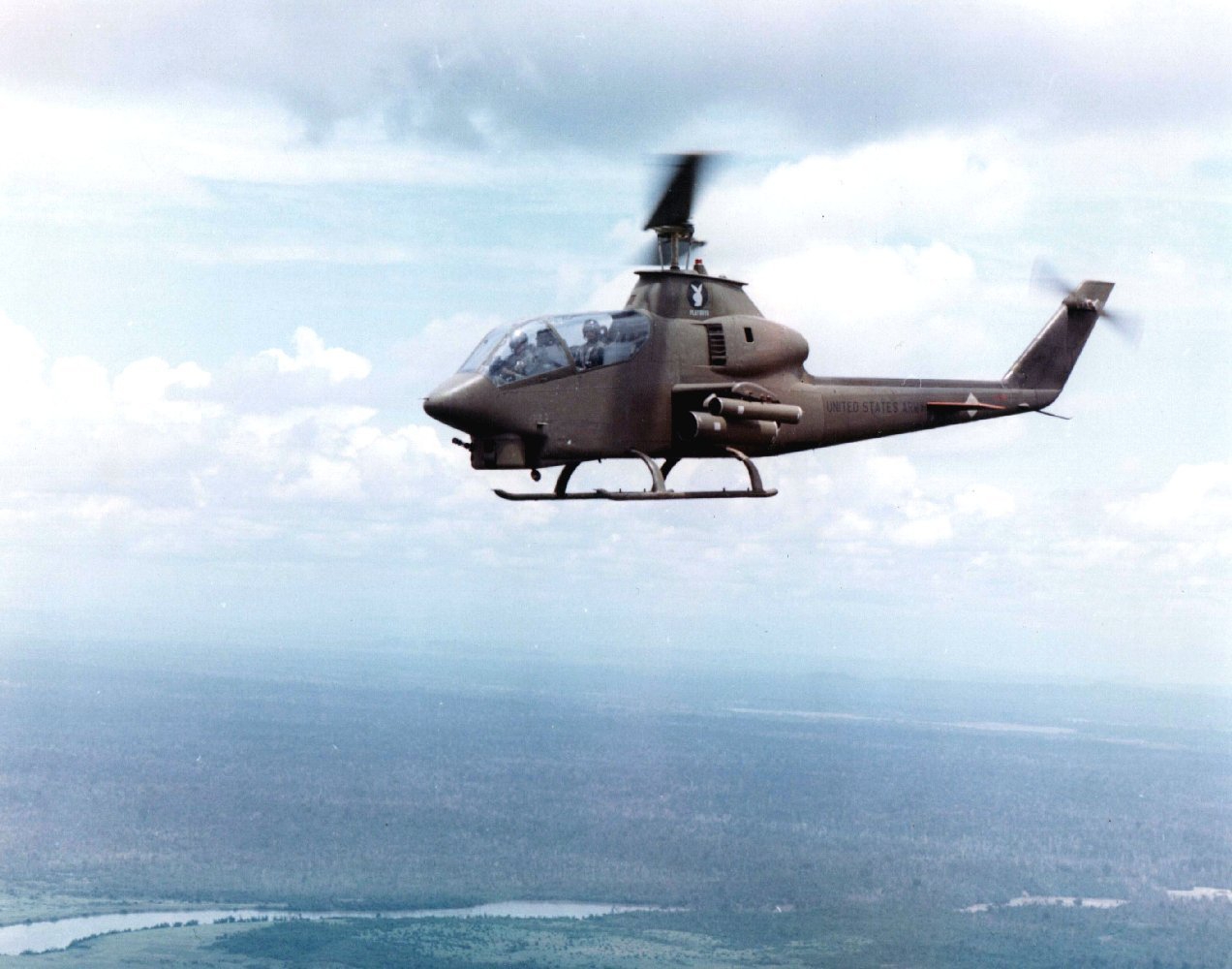





Design and characteristics
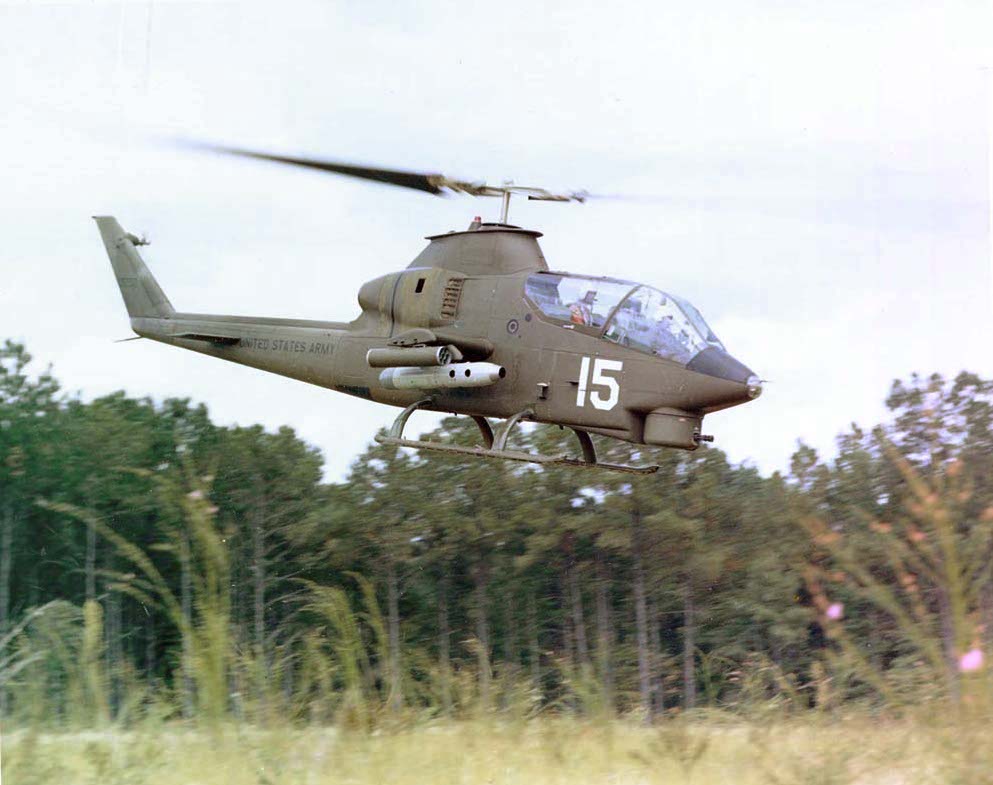
The AH-1 has a narrow fuselage, tandem seating for a pilot and gunner, and a rotor system that trades lifting capacity for reduced frontal area and improved speed. Early single-engine versions emphasized agility and a low profile. Key design features include a chin-mounted weapons station, stub wings for external stores and missiles, and armor protection for crew and critical components. Over time the airframe was strengthened and avionics improved while two-engine Marine derivatives increased power and redundancy.
Armament
The Cobra was built to carry a mix of weapons on its nose and wing stations. Typical loadouts have included:
- a nose-mounted gun or cannon in a turret for strafing and precision fire;
- pods of unguided rockets for area suppression;
- guided anti-tank missiles on wing pylons for armored targets;
- machine guns and other mission-specific stores.
Operational history
The AH-1 first saw extensive action in the Vietnam War, where its speed and firepower proved useful for escorting transport helicopters and supporting ground troops. The type remained in U.S. Army service for decades before being phased out in favor of the more modern AH-64 Apache; the United States Army no longer operates the Cobra in front-line units. Several foreign users adopted the single-engine Cobra, and it has remained in service with operators such as Israel and Iran in various upgraded forms.
Variants and legacy
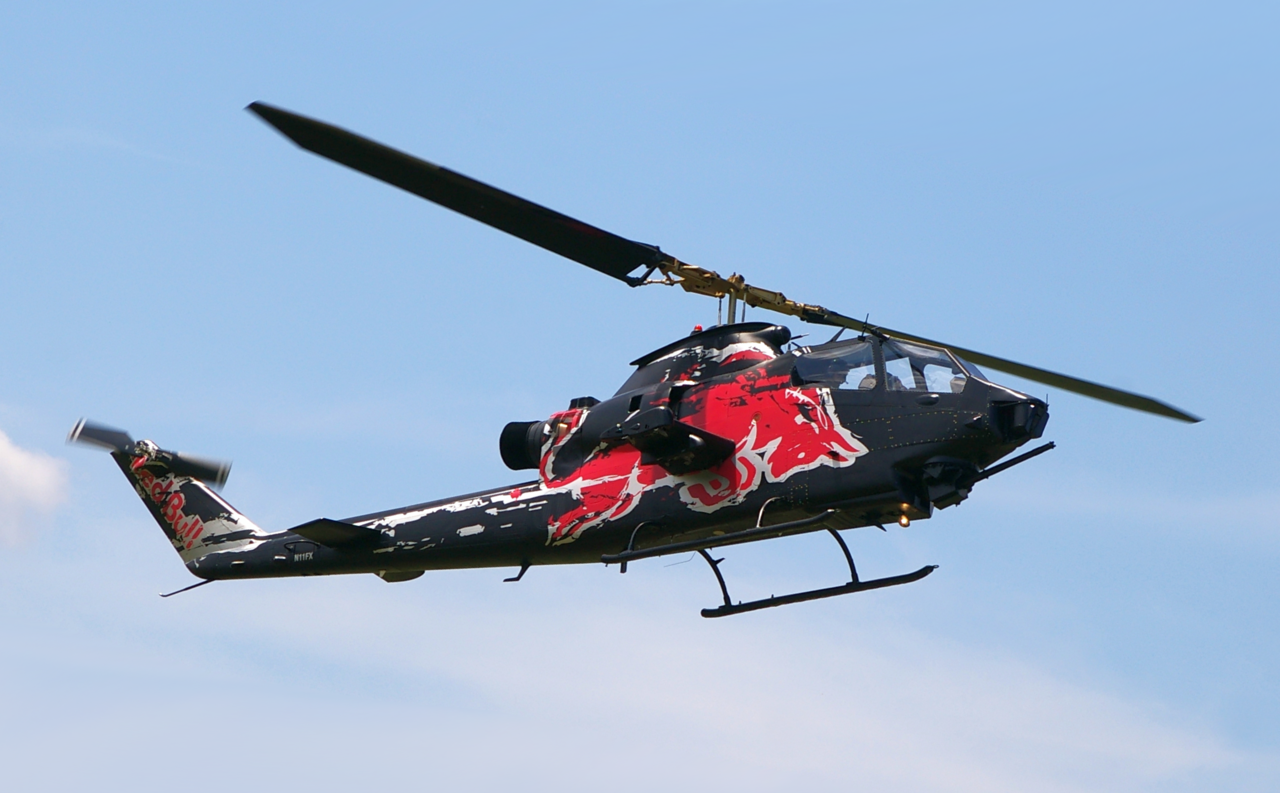
Bell developed numerous variants. The Marines received two-engine versions, commonly called SuperCobras, and later modernized models with improved weapons and avionics. The United States Marine Corps continued to operate two-engine Cobras and moved toward upgraded types that retained the Cobra's basic mission concept while improving survivability and payload. The AH-1's lightweight, gunship-focused design influenced later attack helicopters and demonstrated the value of a dedicated rotary-wing attack platform in modern combat.
Notable facts and distinctions
While often overshadowed by later, heavier attack types, the Cobra is notable for being one of the first production attack helicopters to reach operational status and for its long service life in many nations. Its evolutionary path—from a single-engine gunship to twin-engine Marine variants and further modernizations—illustrates how basic design principles can be adapted to new missions and technologies.
For more detailed technical data, service records and variant descriptions consult manufacturer material or military aviation references via these links: manufacturer overview, design notes, role definition, and additional operator histories at Bell and other archival resources.
Questions and answers
Q: What is the Bell AH-1 Cobra?
A: The Bell AH-1 Cobra is an American military attack helicopter.
Q: Who manufactured the Bell AH-1 Cobra?
A: The Bell Helicopter company manufactured the Bell AH-1 Cobra.
Q: When was the first flight of the Bell AH-1 Cobra?
A: The first flight of the Bell AH-1 Cobra was on 7 September 1967.
Q: Who replaced the Bell AH-1 Cobra with another attack helicopter?
A: The United States Army replaced the Bell AH-1 Cobra with the AH-64 Apache.
Q: In which countries is the single-engine AH-1 Cobra still active?
A: The single-engine AH-1 Cobra is still active in some countries like Israel and Iran.
Q: What weapons does the Bell AH-1 Cobra have?
A: The Bell AH-1 Cobra's weapons include but not limited to, missiles, rockets, and guns.
Q: Which military branch still uses a version of the Bell AH-1 Cobra?
A: The United States Marine Corps still uses the two-engine Bell AH-1 SuperCobra.
Related articles
Author
AlegsaOnline.com Bell AH-1 Cobra: Overview, Design, Service, and Variants Leandro Alegsa
URL: https://en.alegsaonline.com/art/10258
Sources
- surfthechannel.com : SurfTheChannel - AH-1 Cobra Crash